Rouslam Botiev standing outdoors in Lisbon

Oirat-Mongolian painter and sculptor in Lisbon

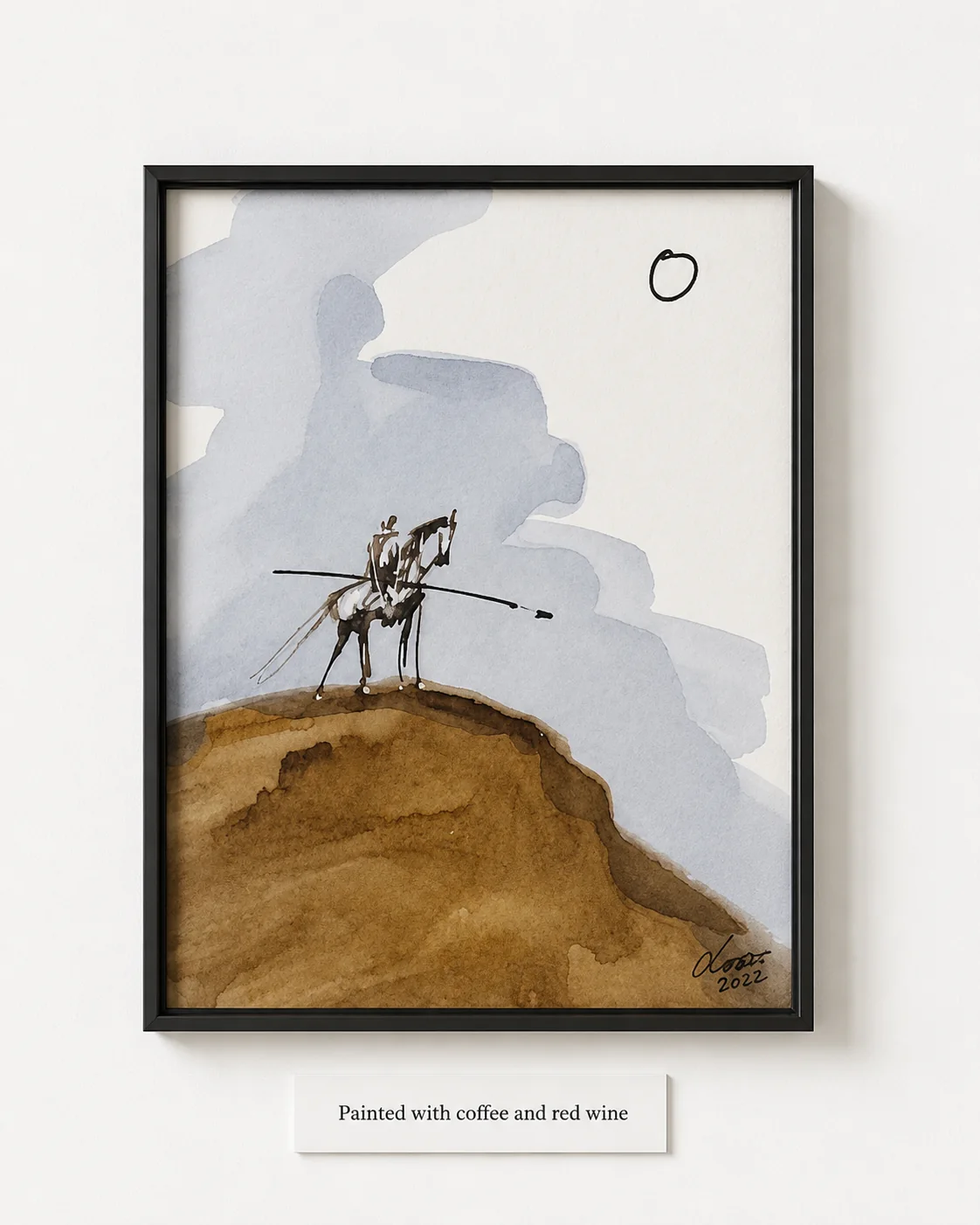
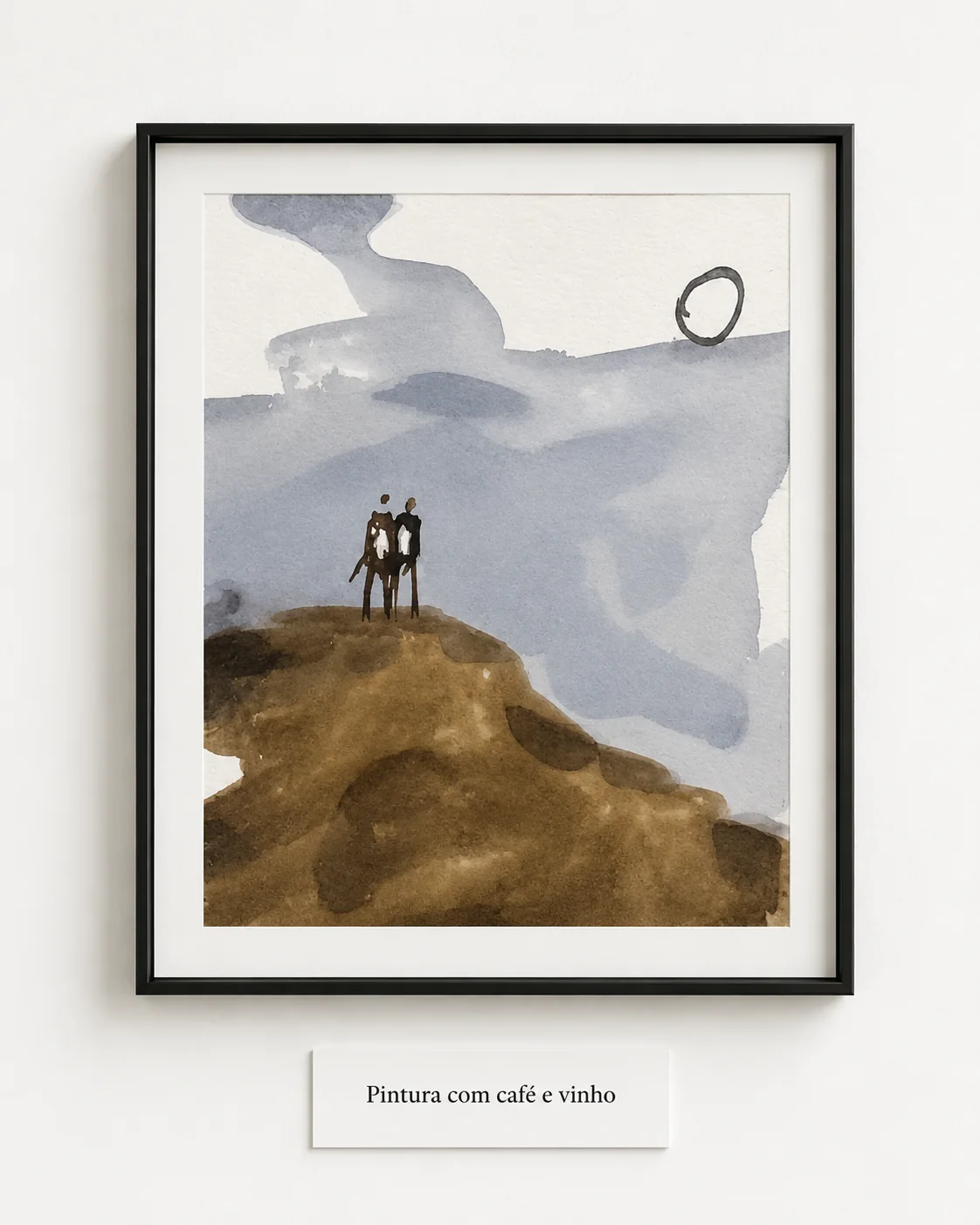
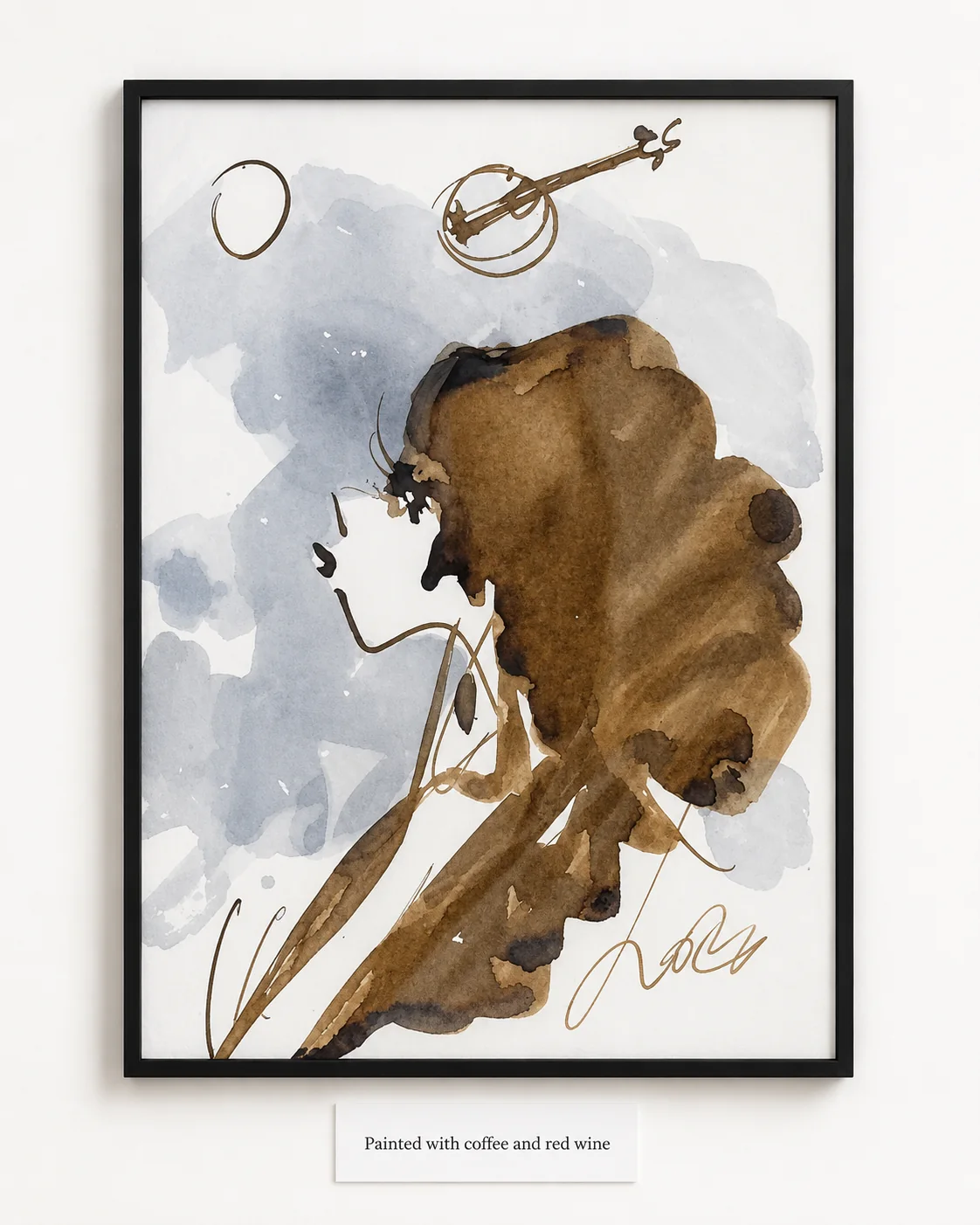
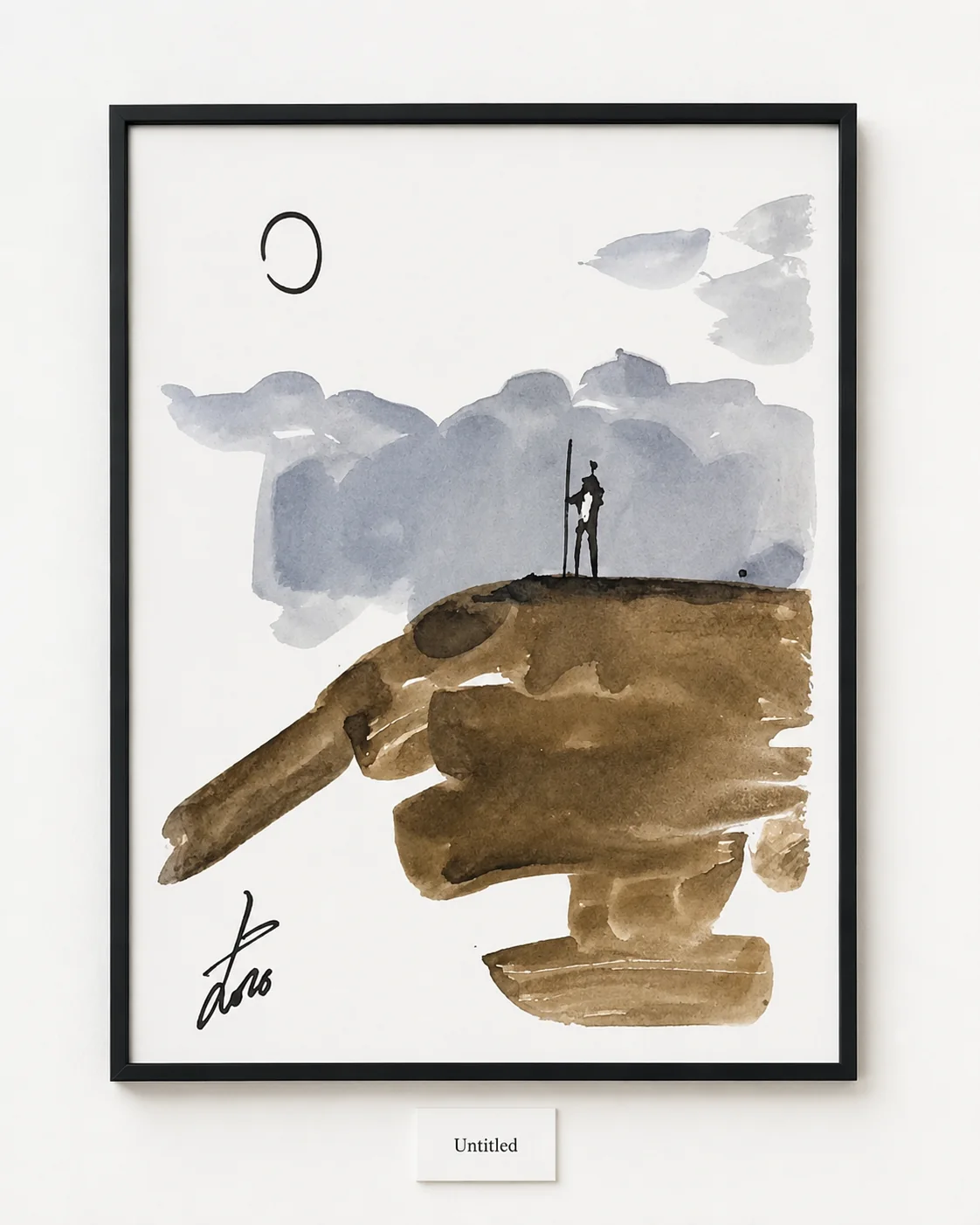
Rouslam Botiev ink, coffee, red wine.

Rouslam Botiev is an Oirat-Mongolian painter and sculptor based in Alfama, Lisbon, working across ink, watercolor, coffee, red wine, and Mongolian script.

Born in 1963, Botiev has lived and worked in Lisbon since 2002. His atelier is on Travessa de São João da Praça, near the old streets of Fado.

Drawn between Mongolian memory and Alfama.

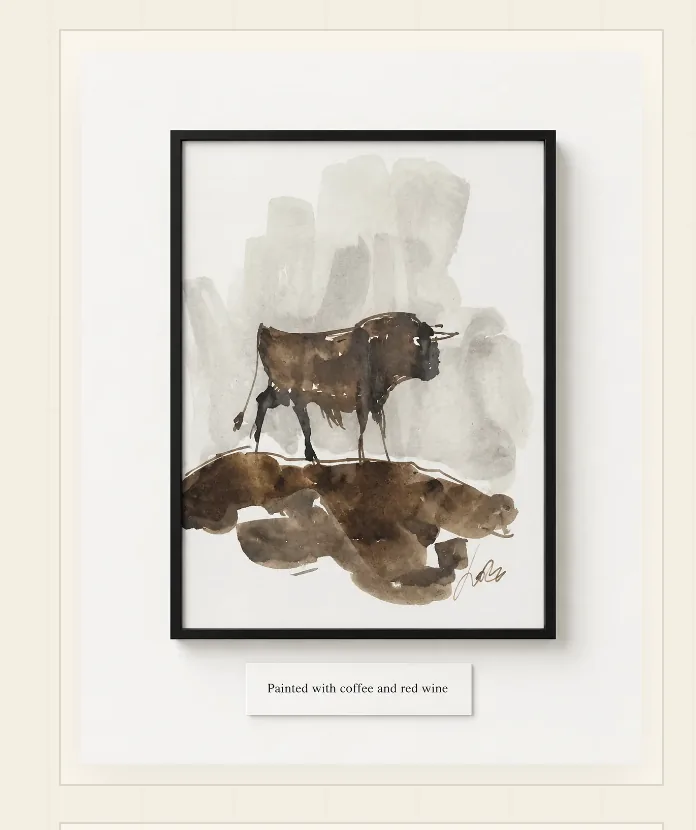
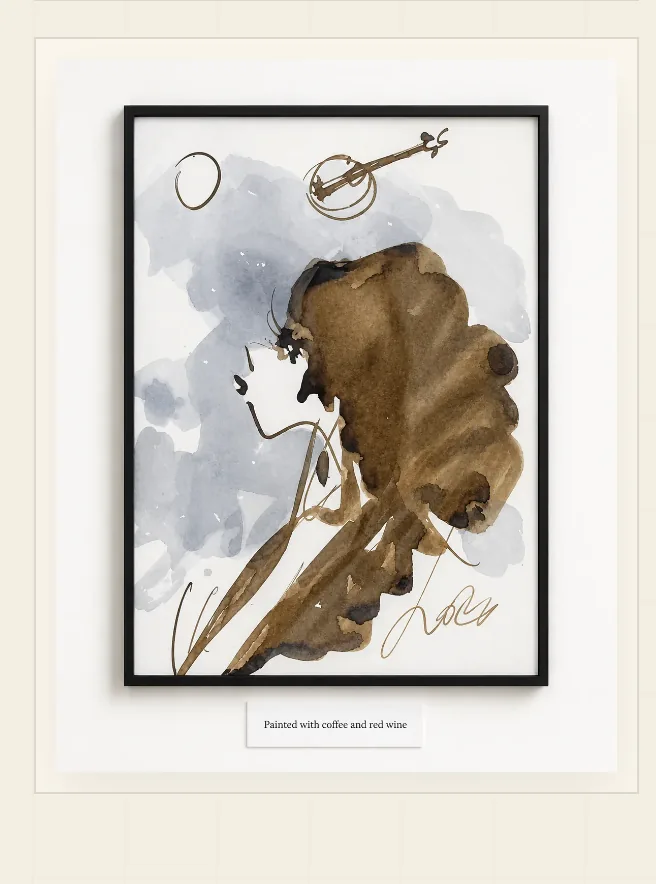
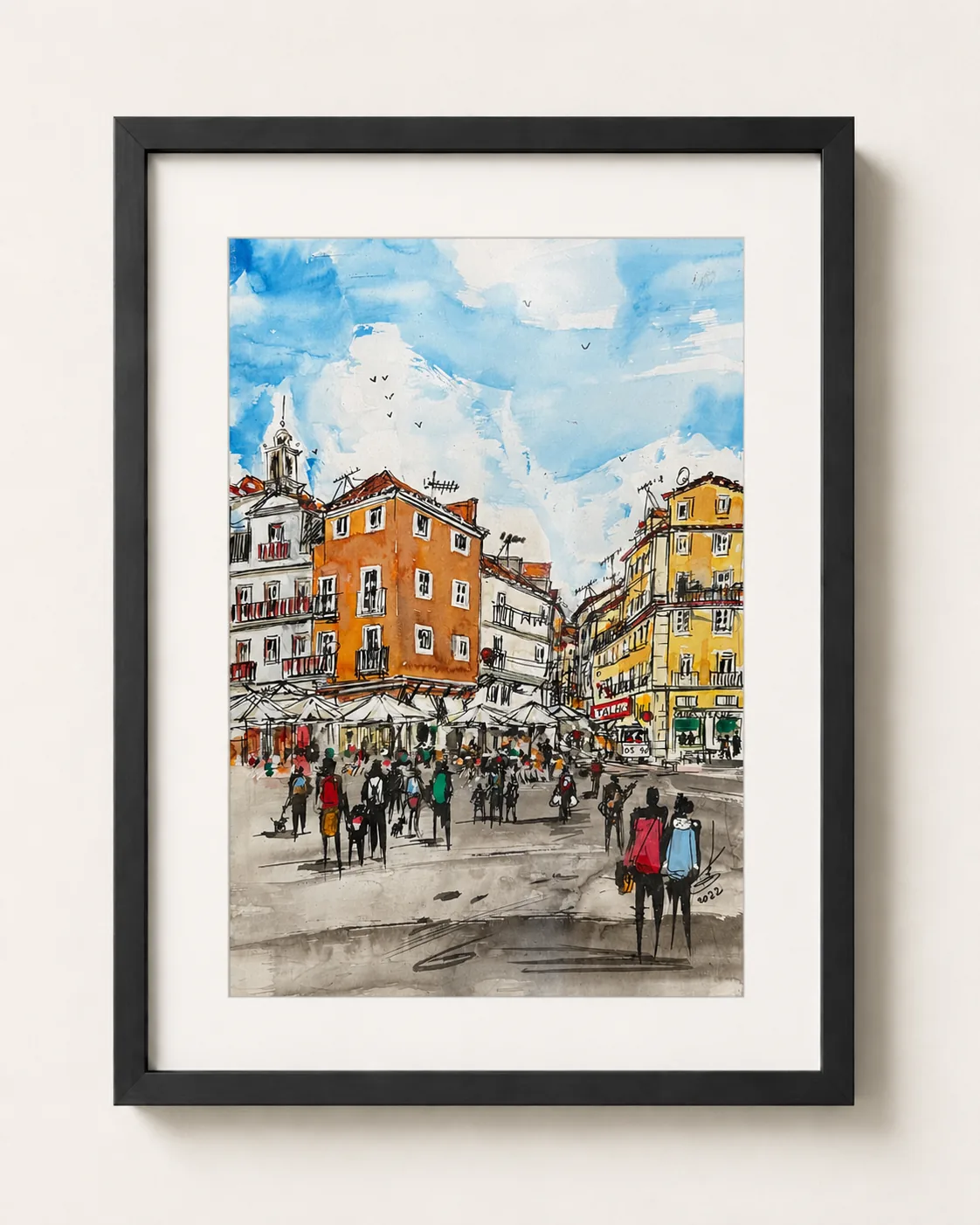
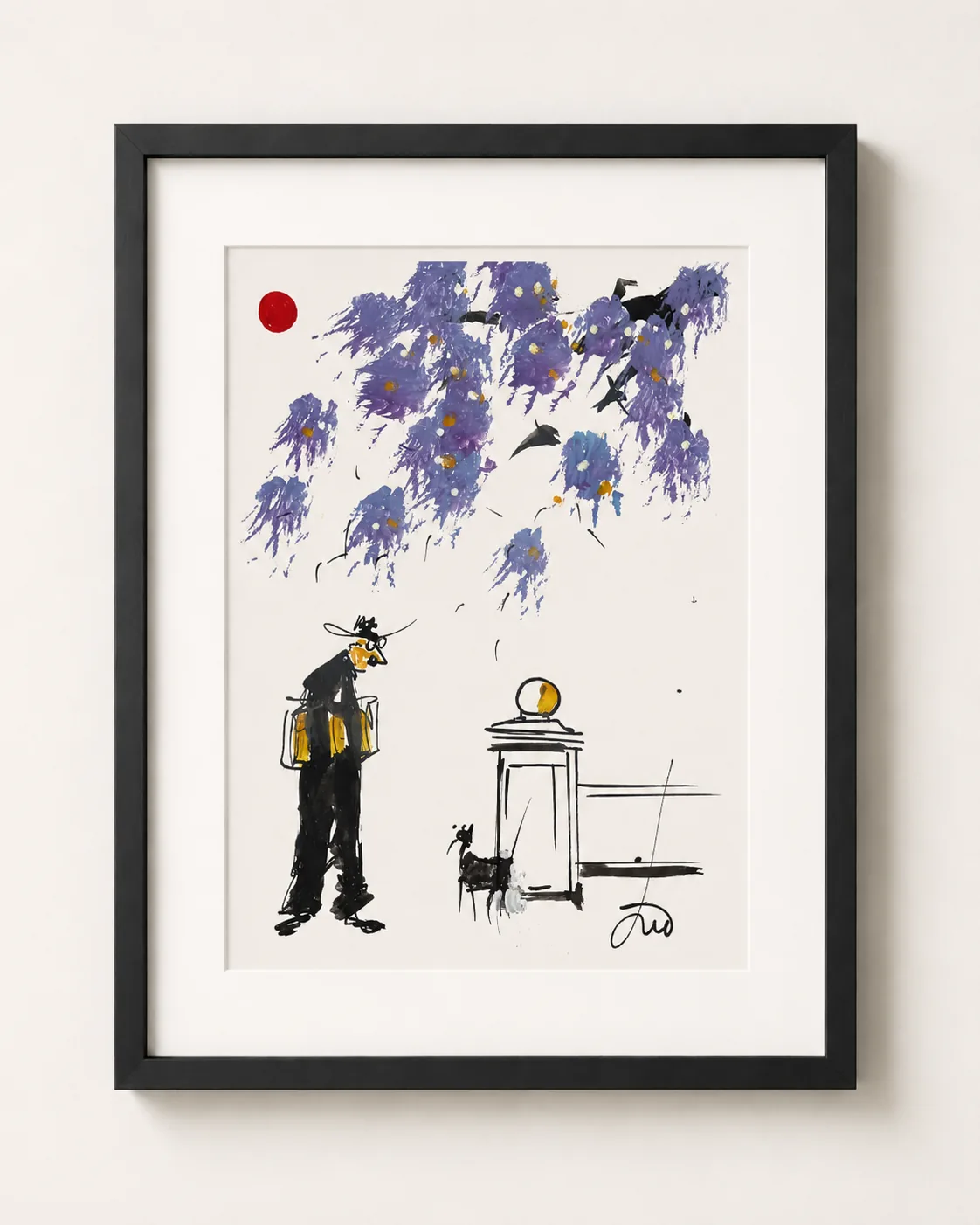
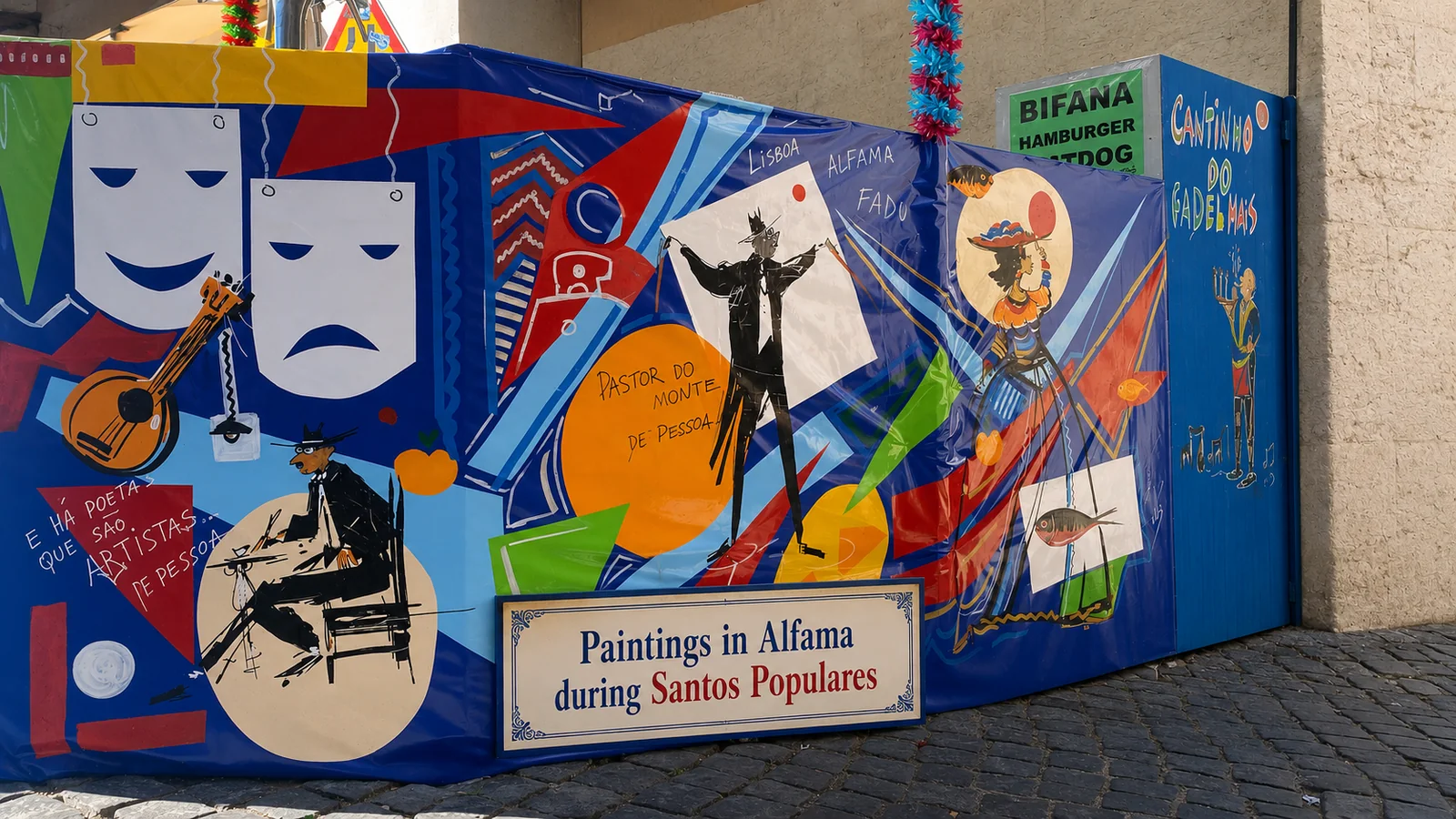
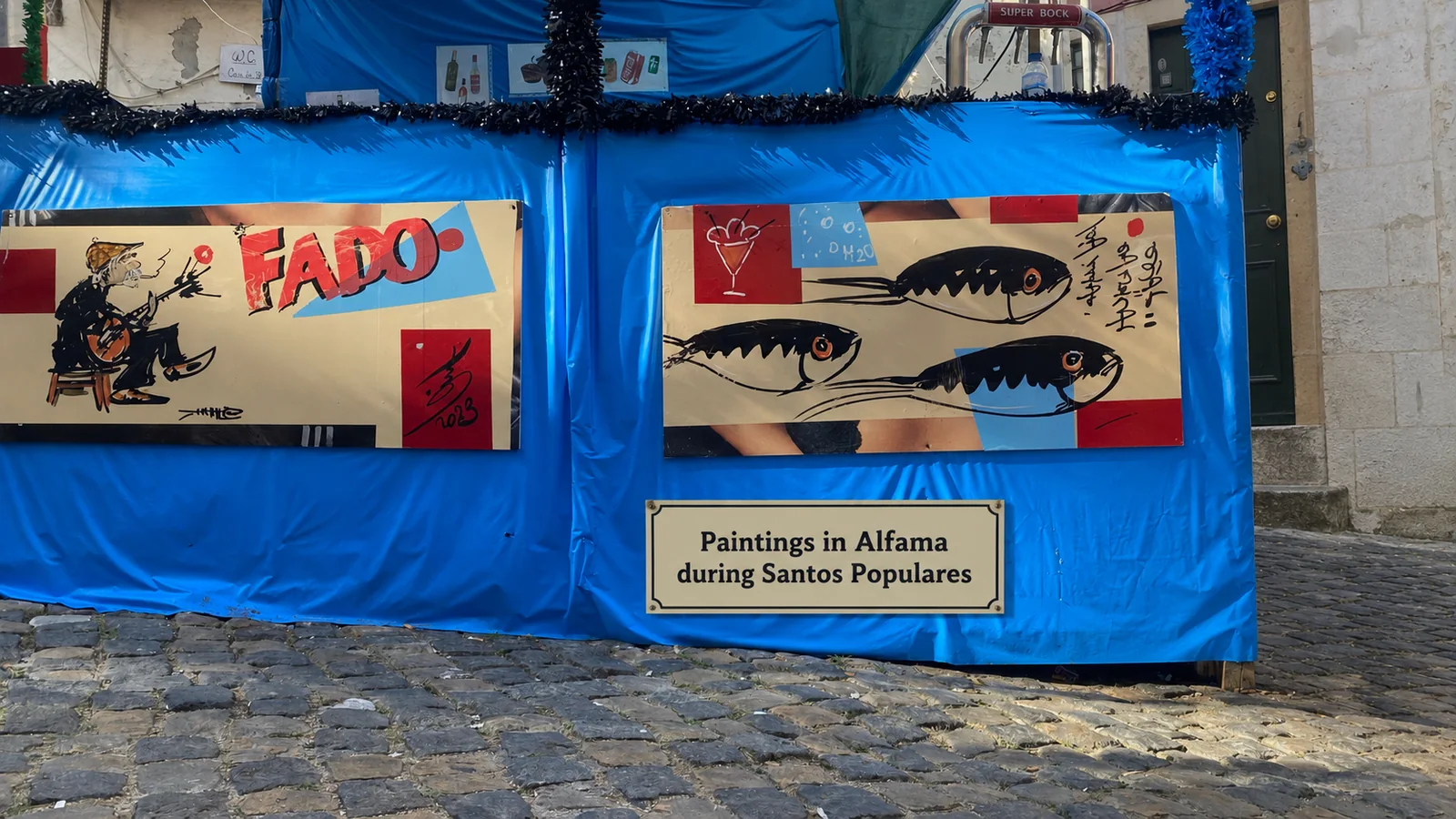
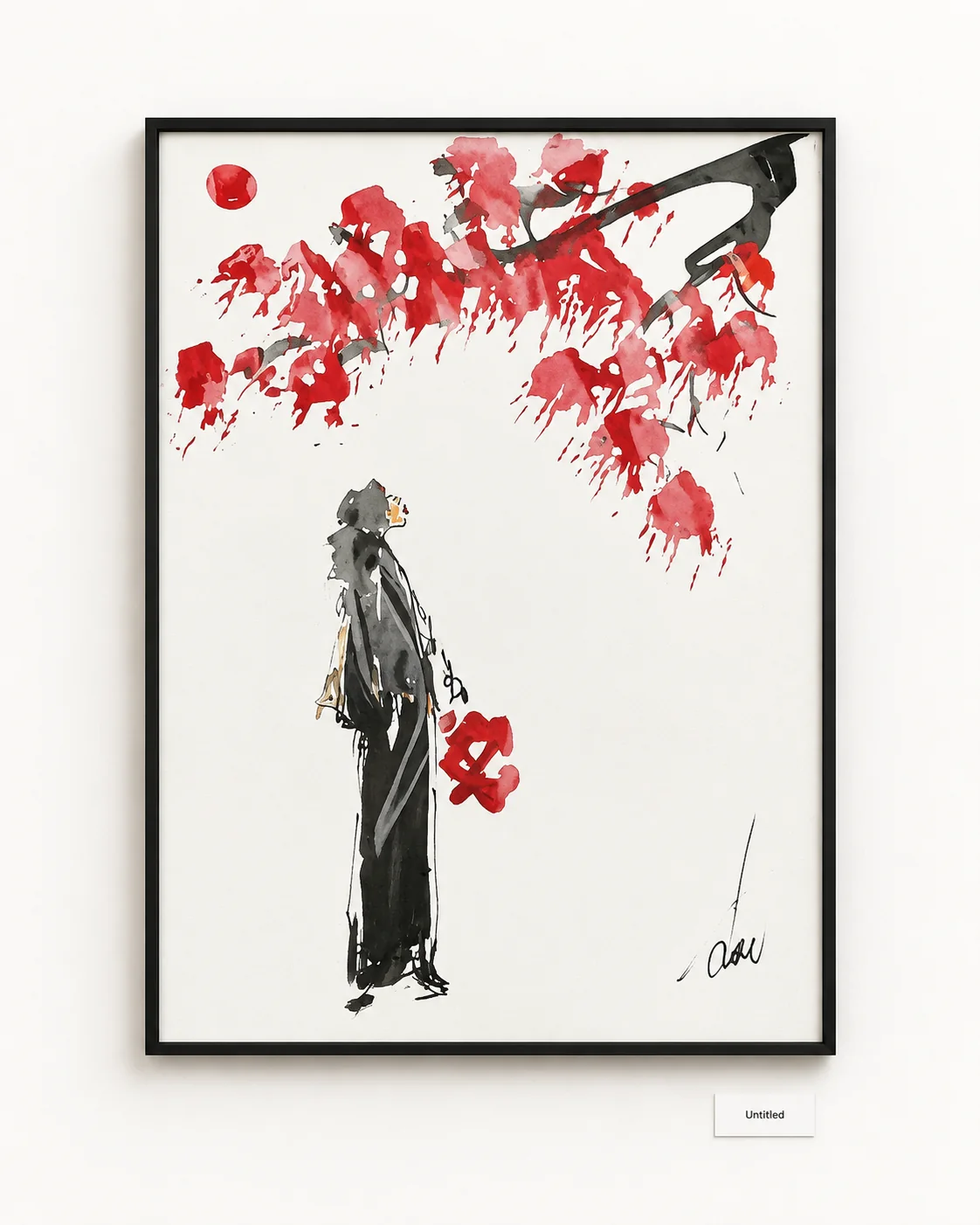
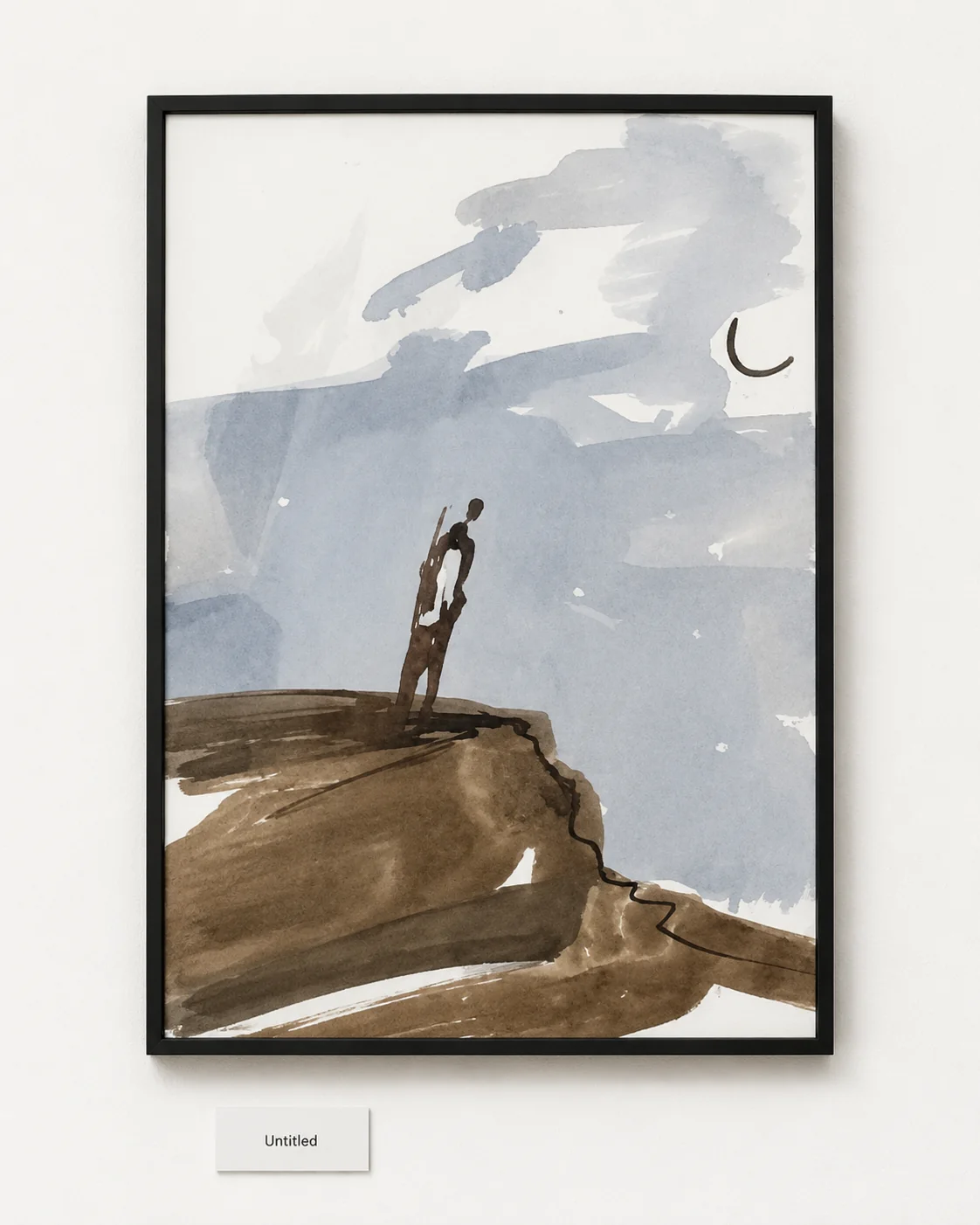
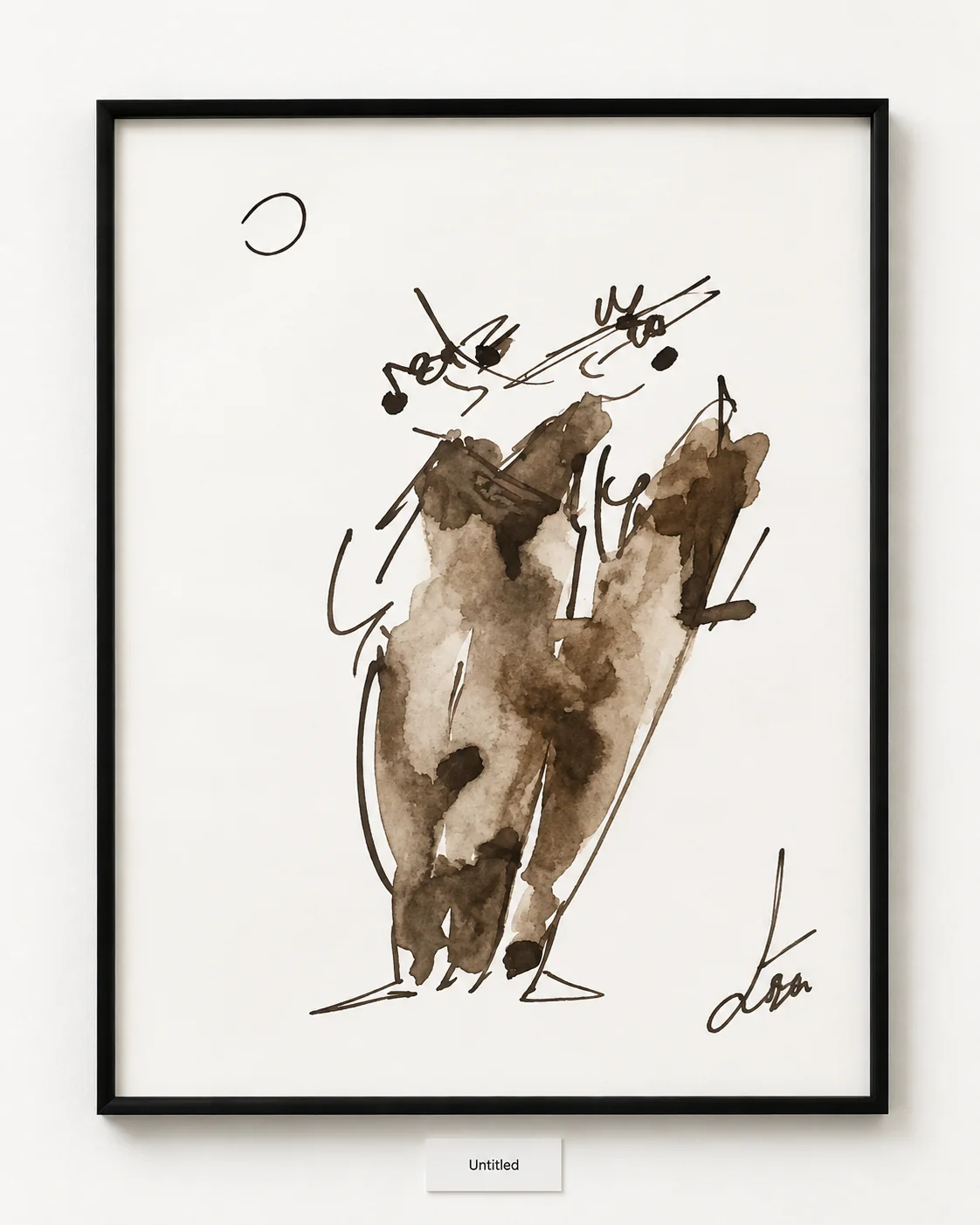
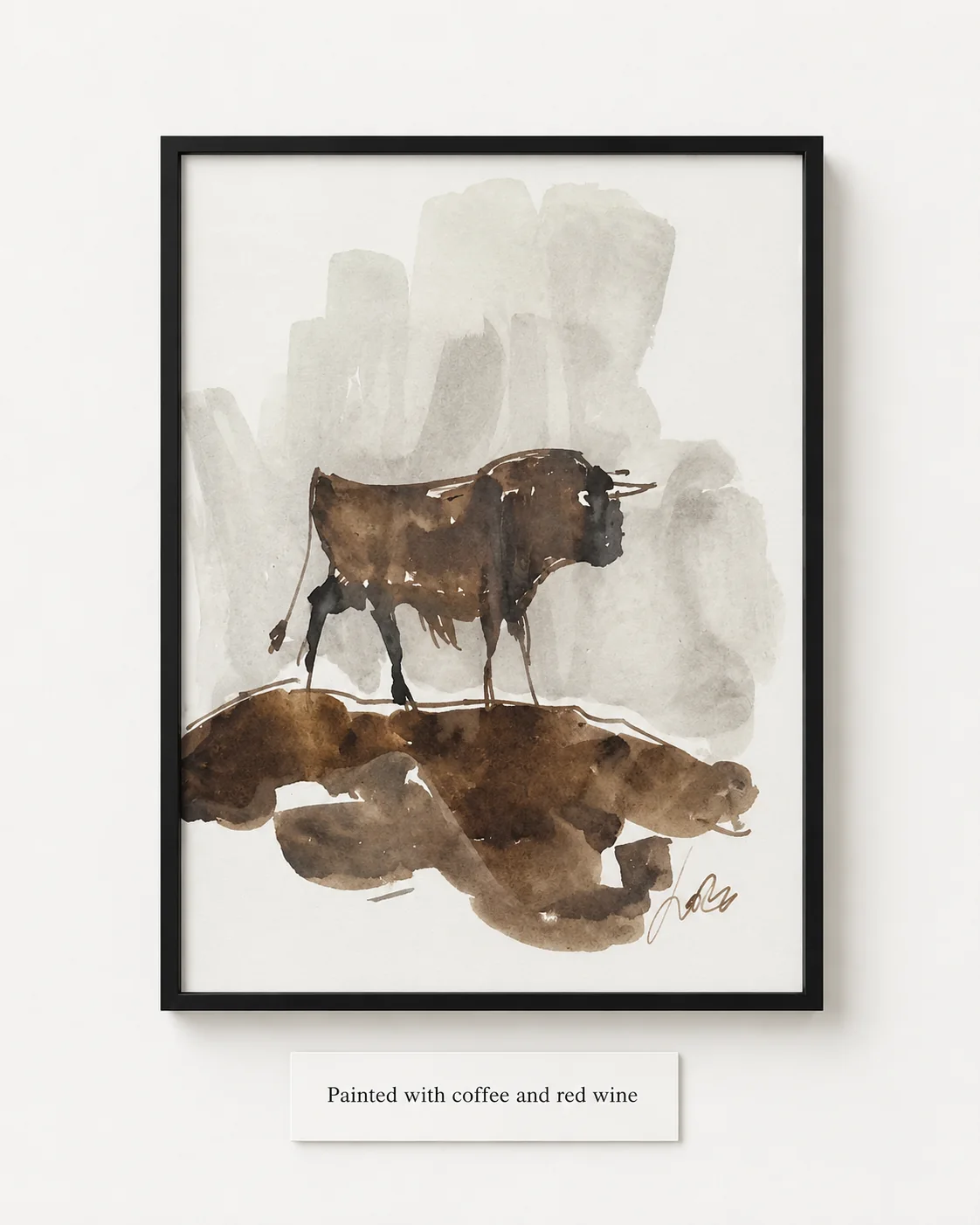
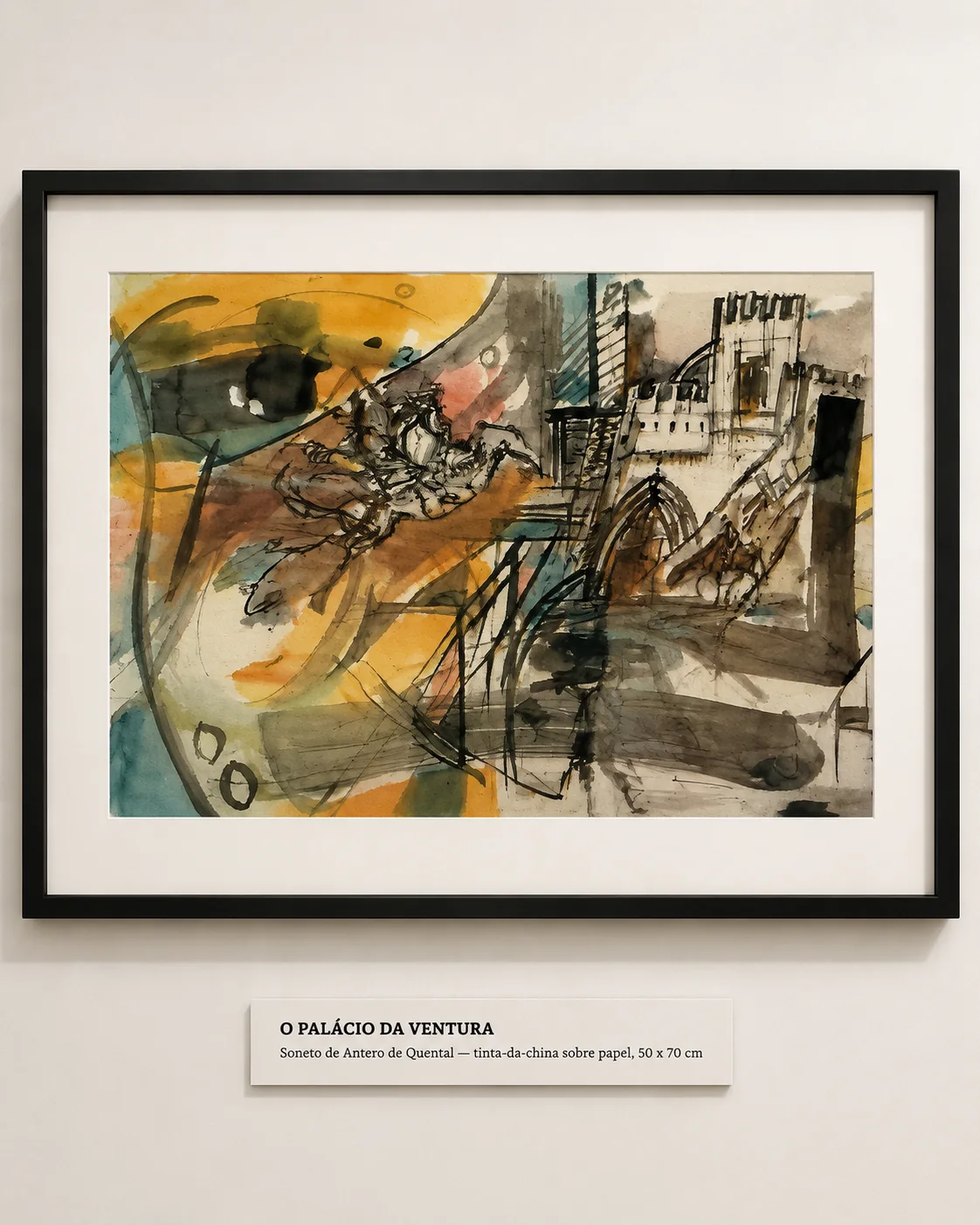
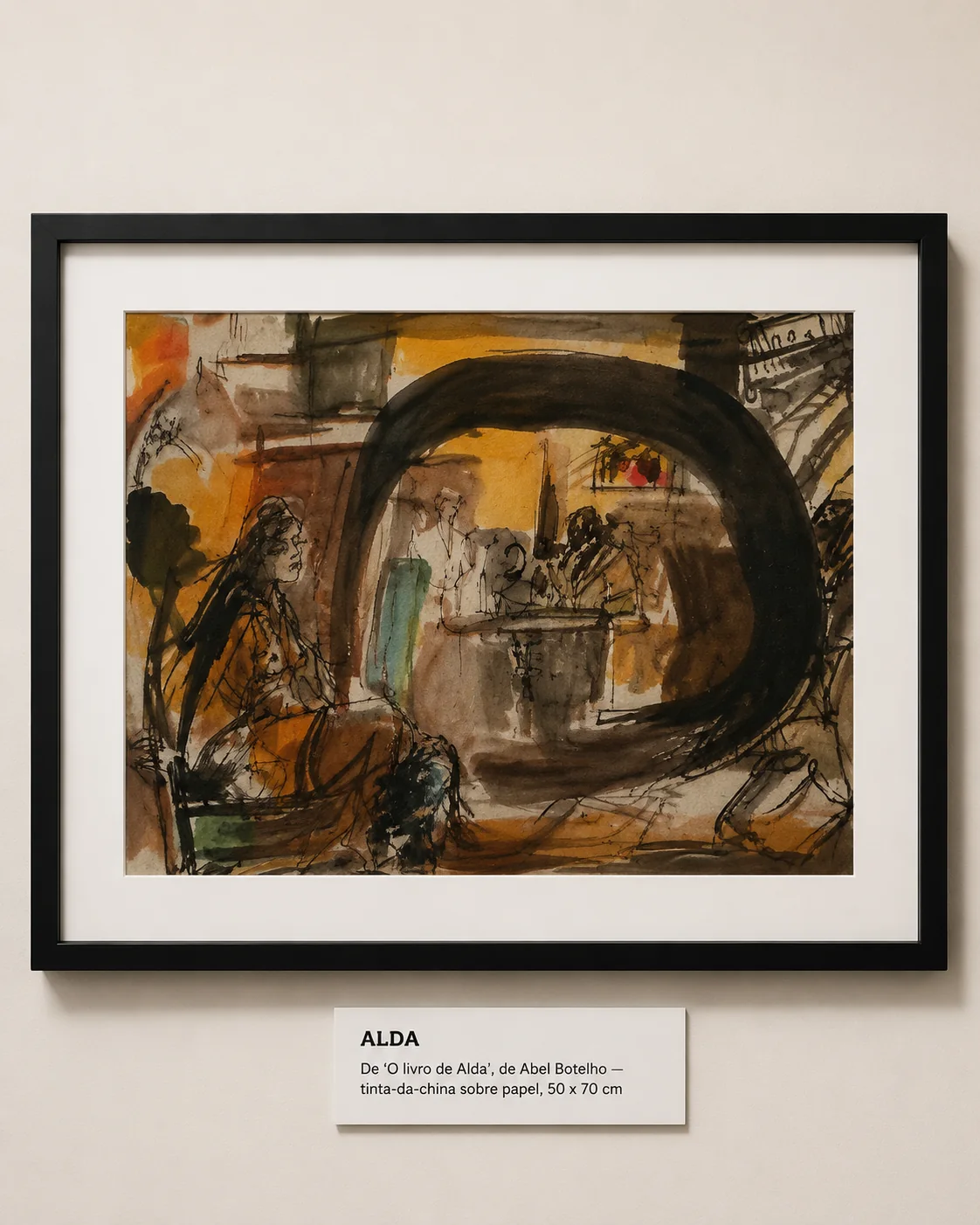
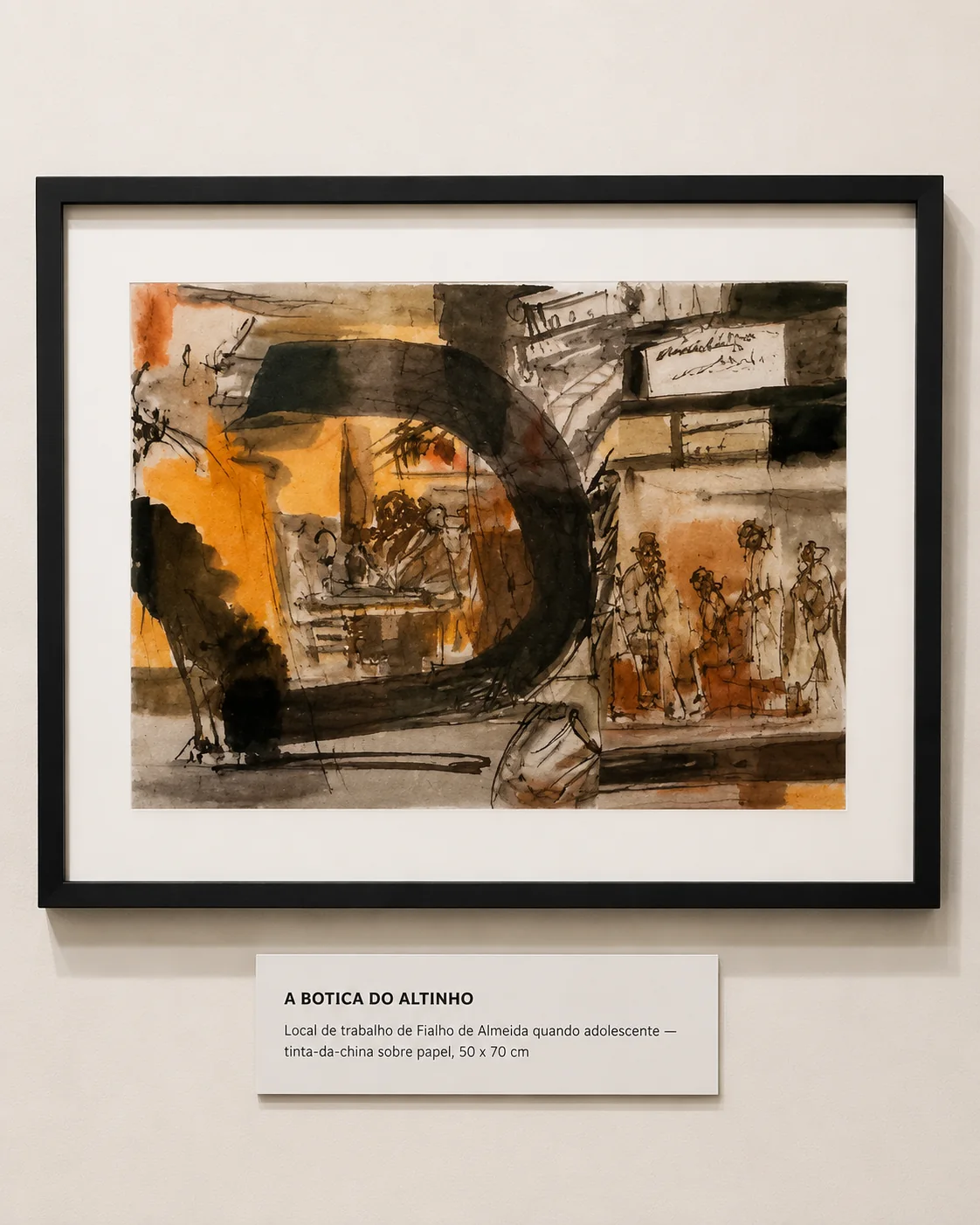
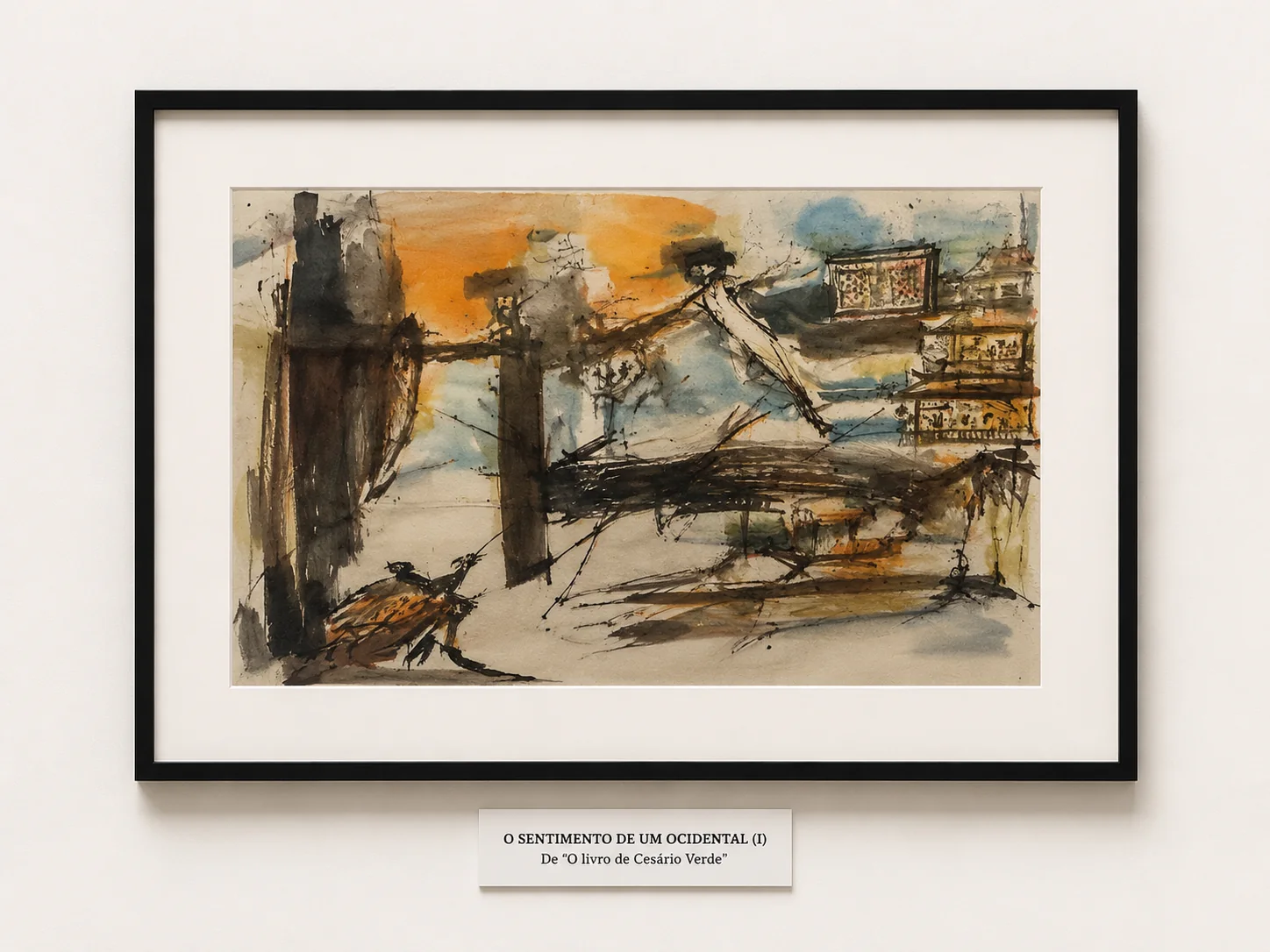
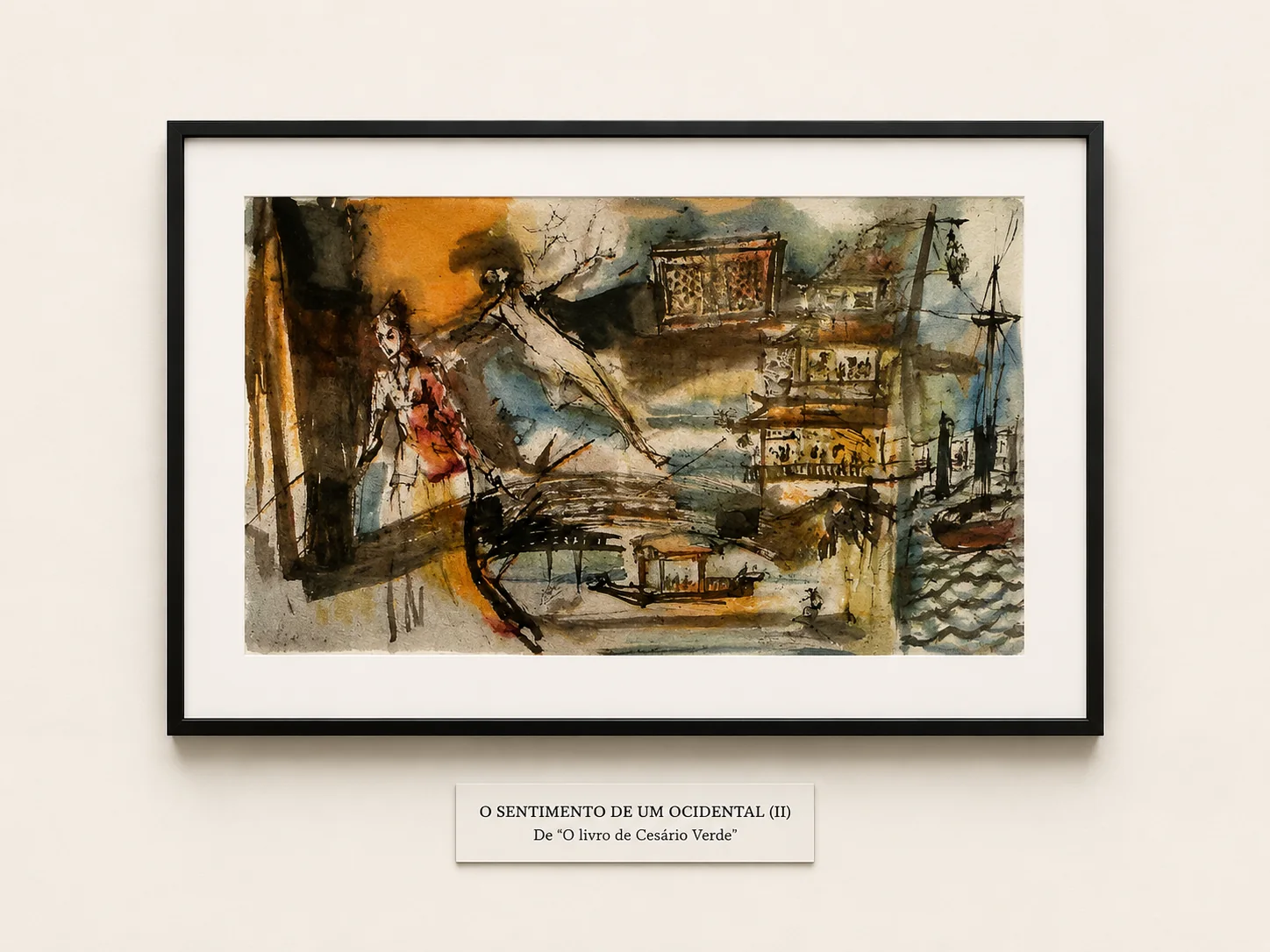
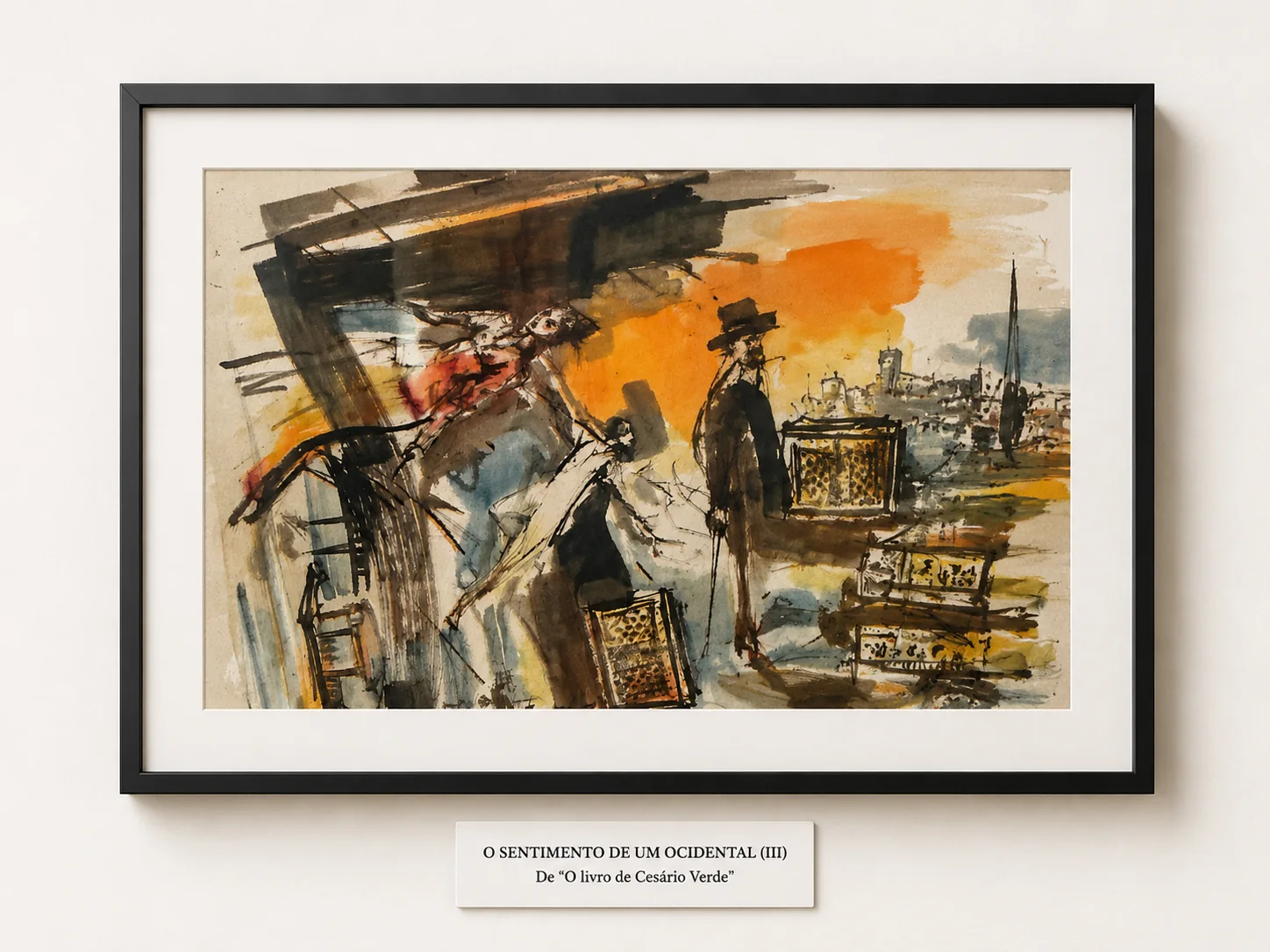
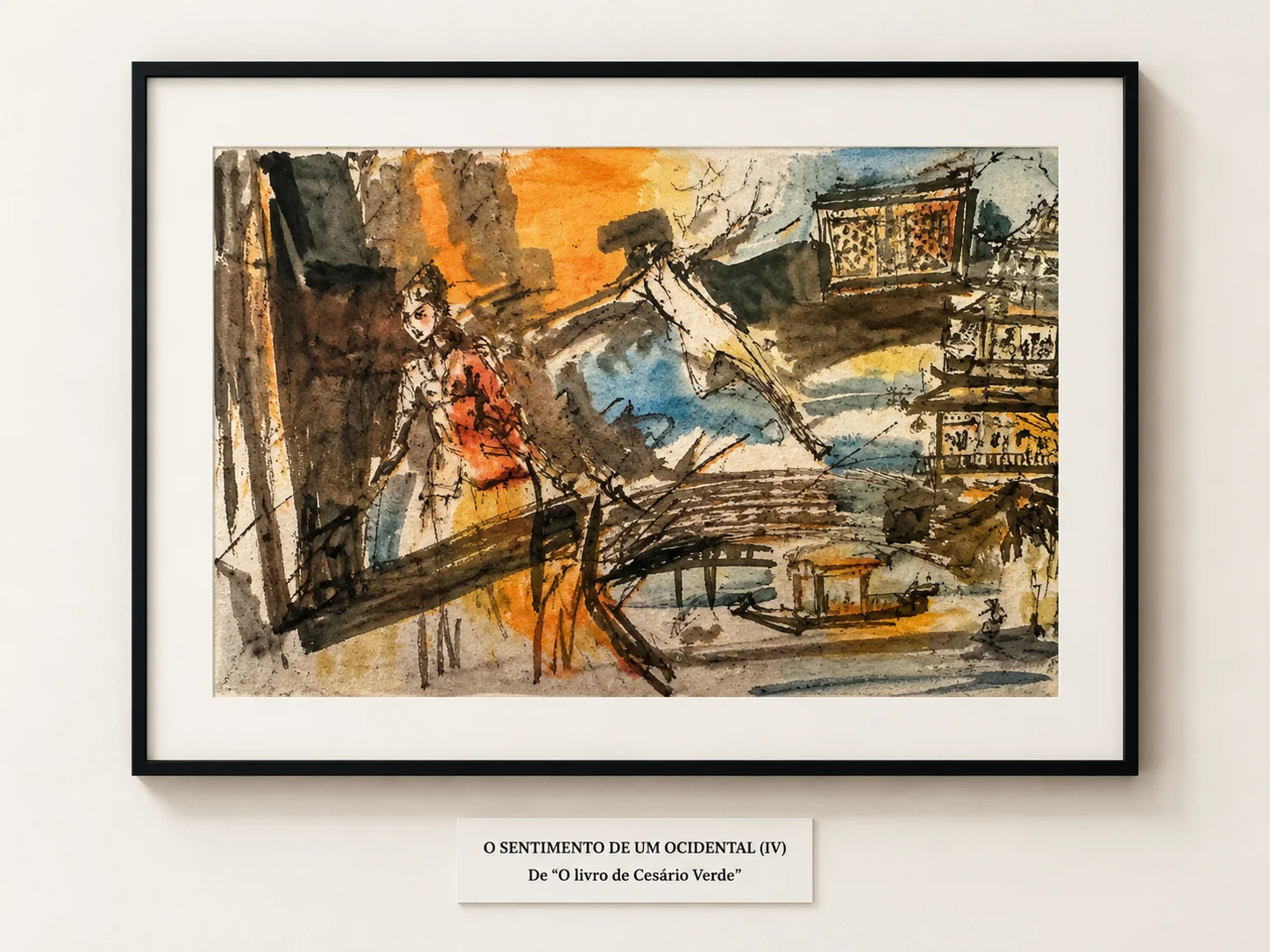
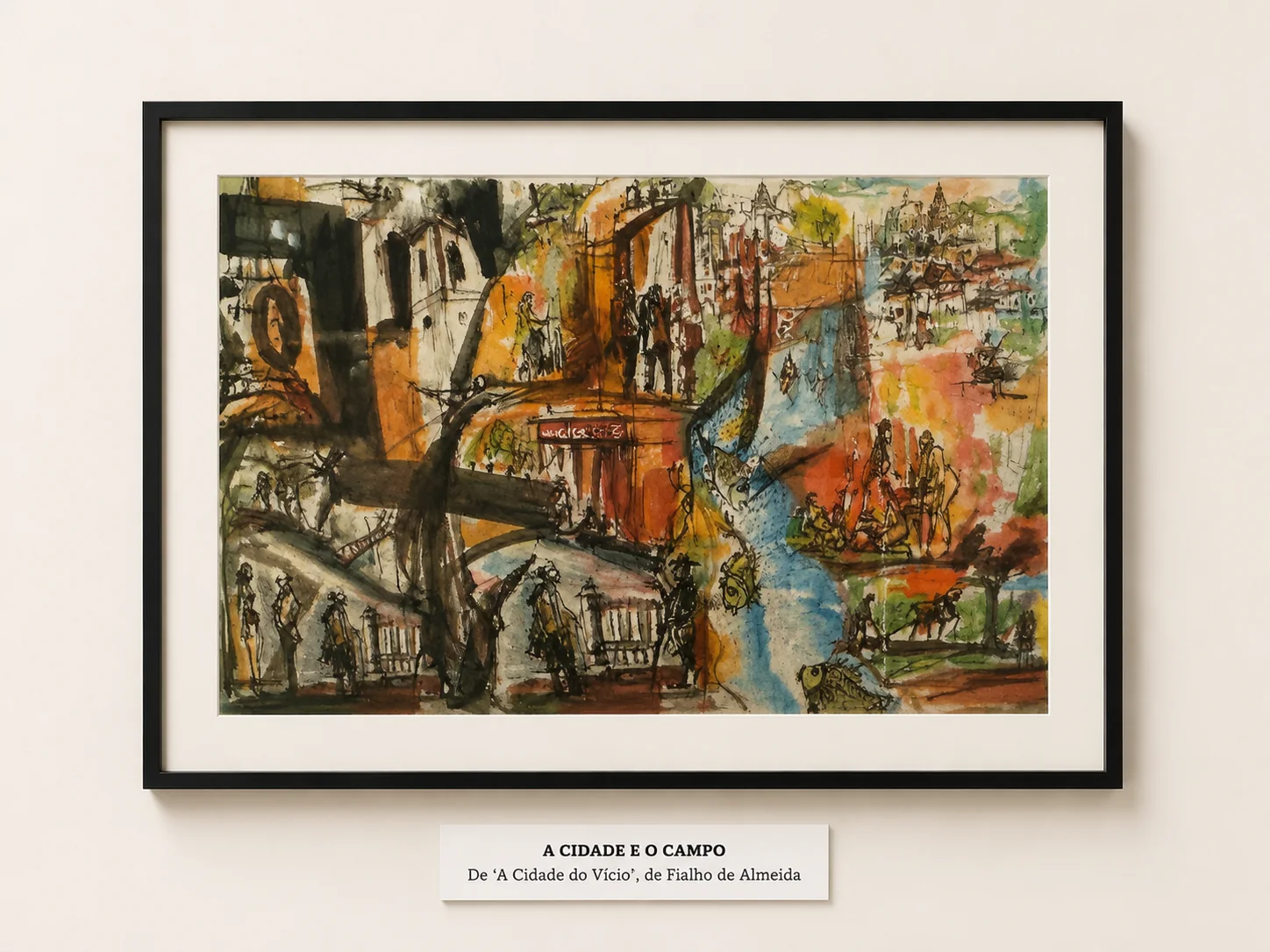
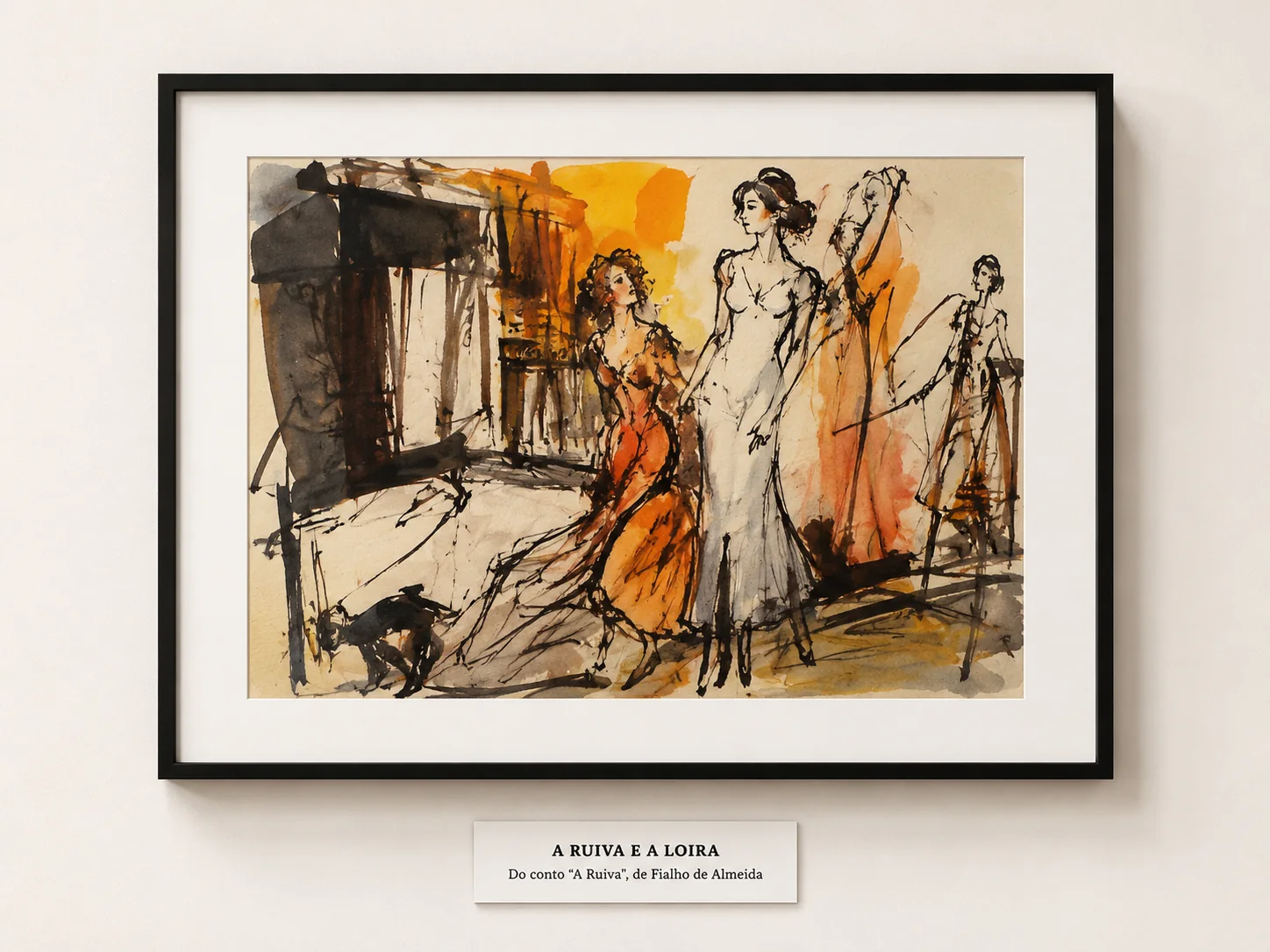
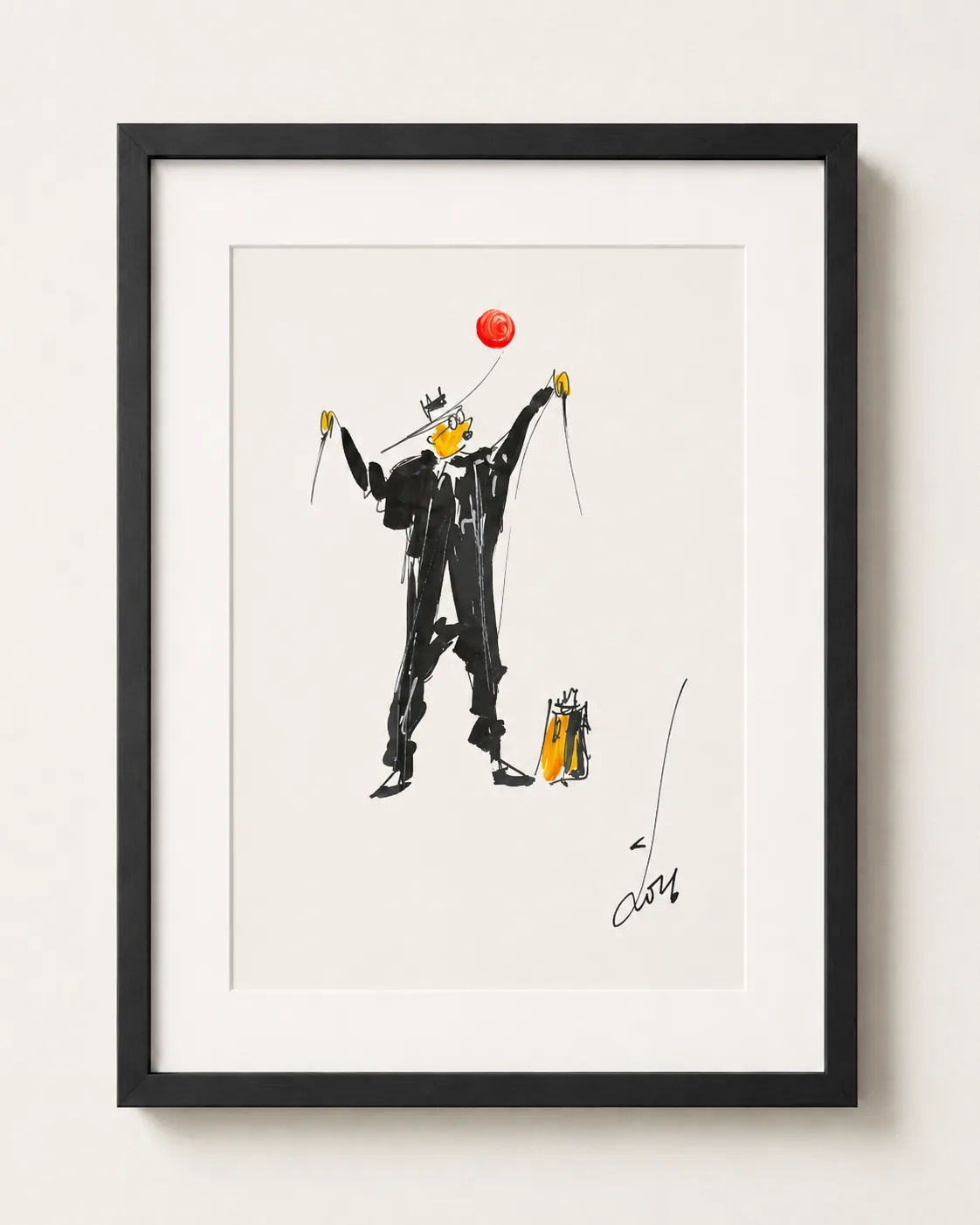
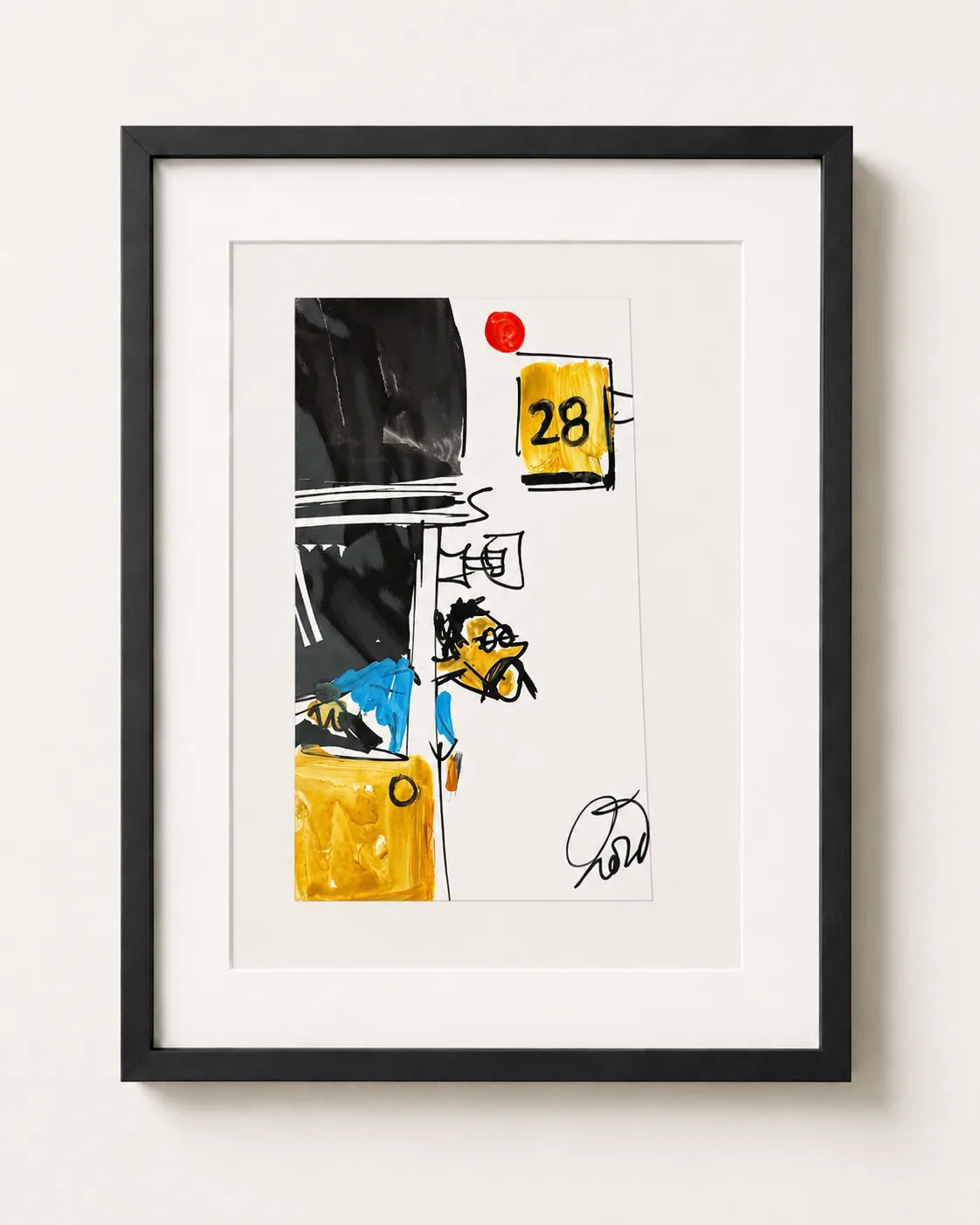
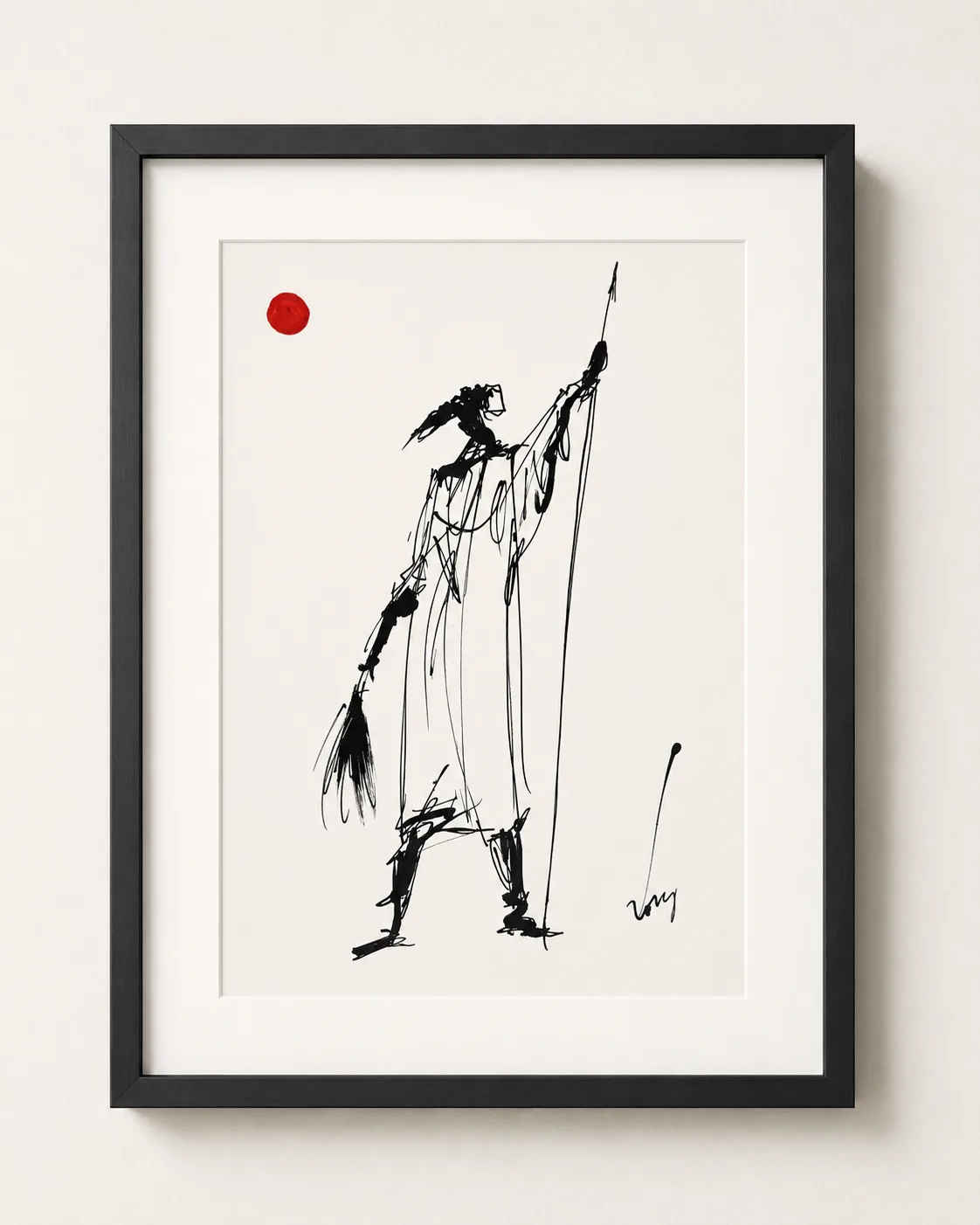
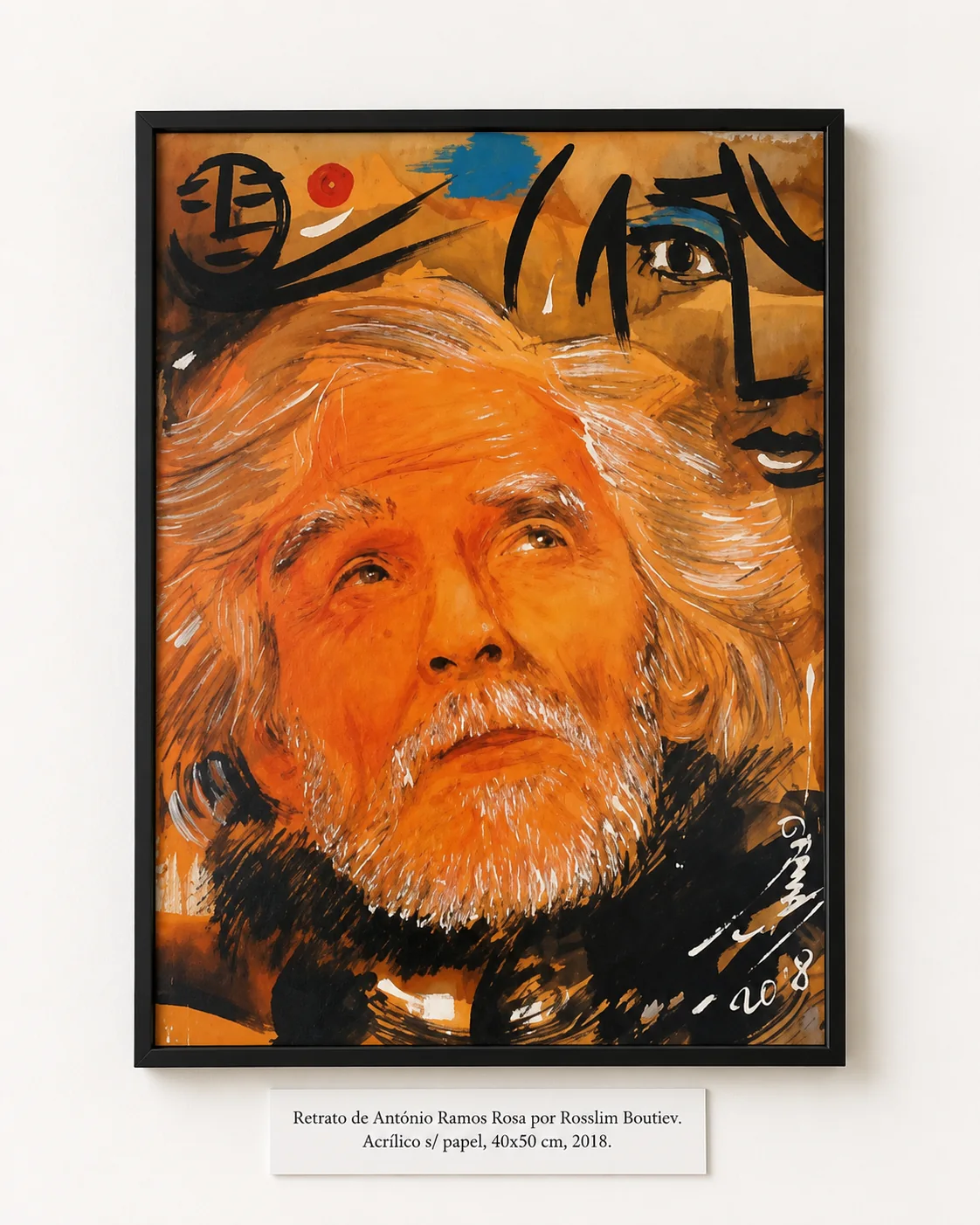
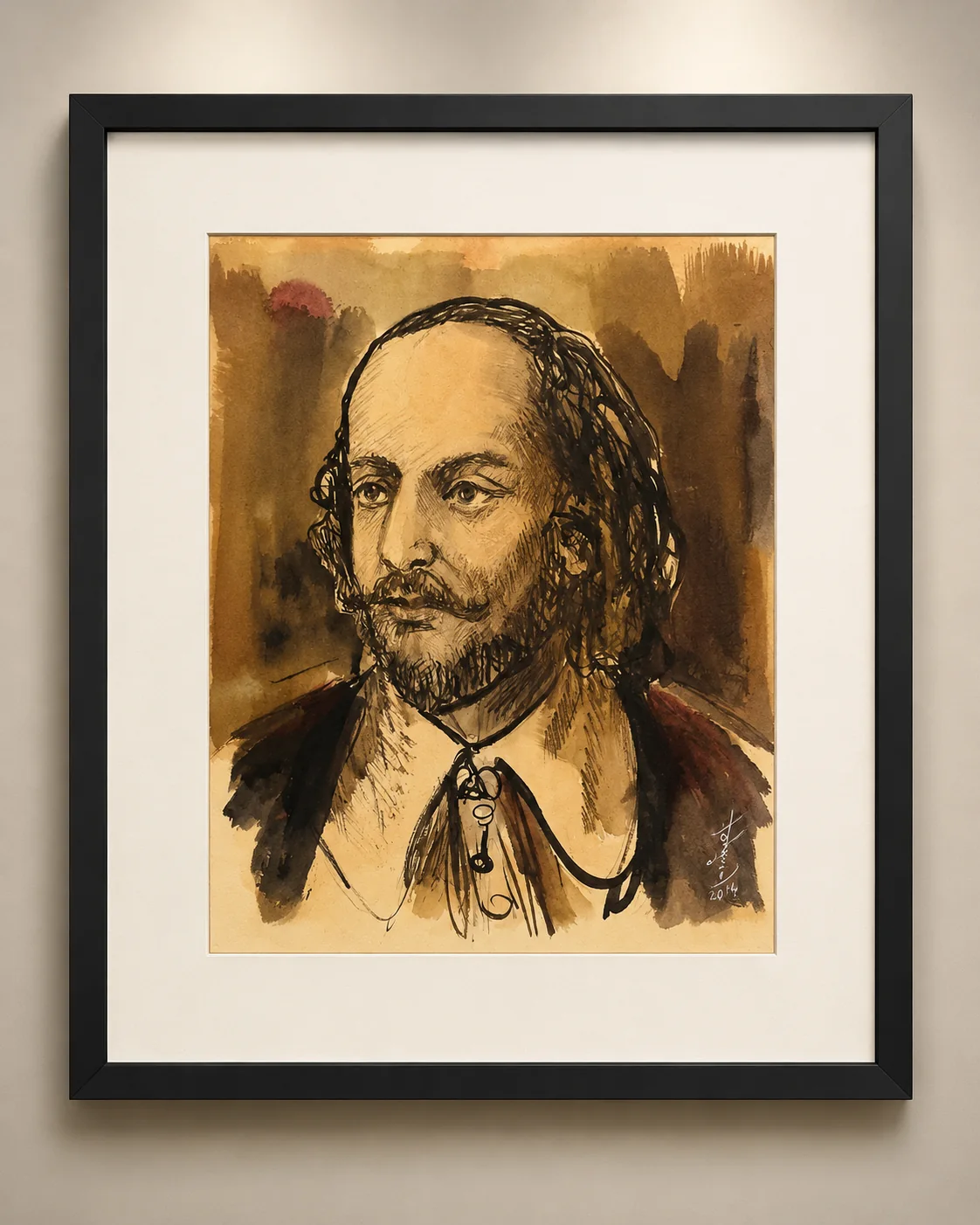
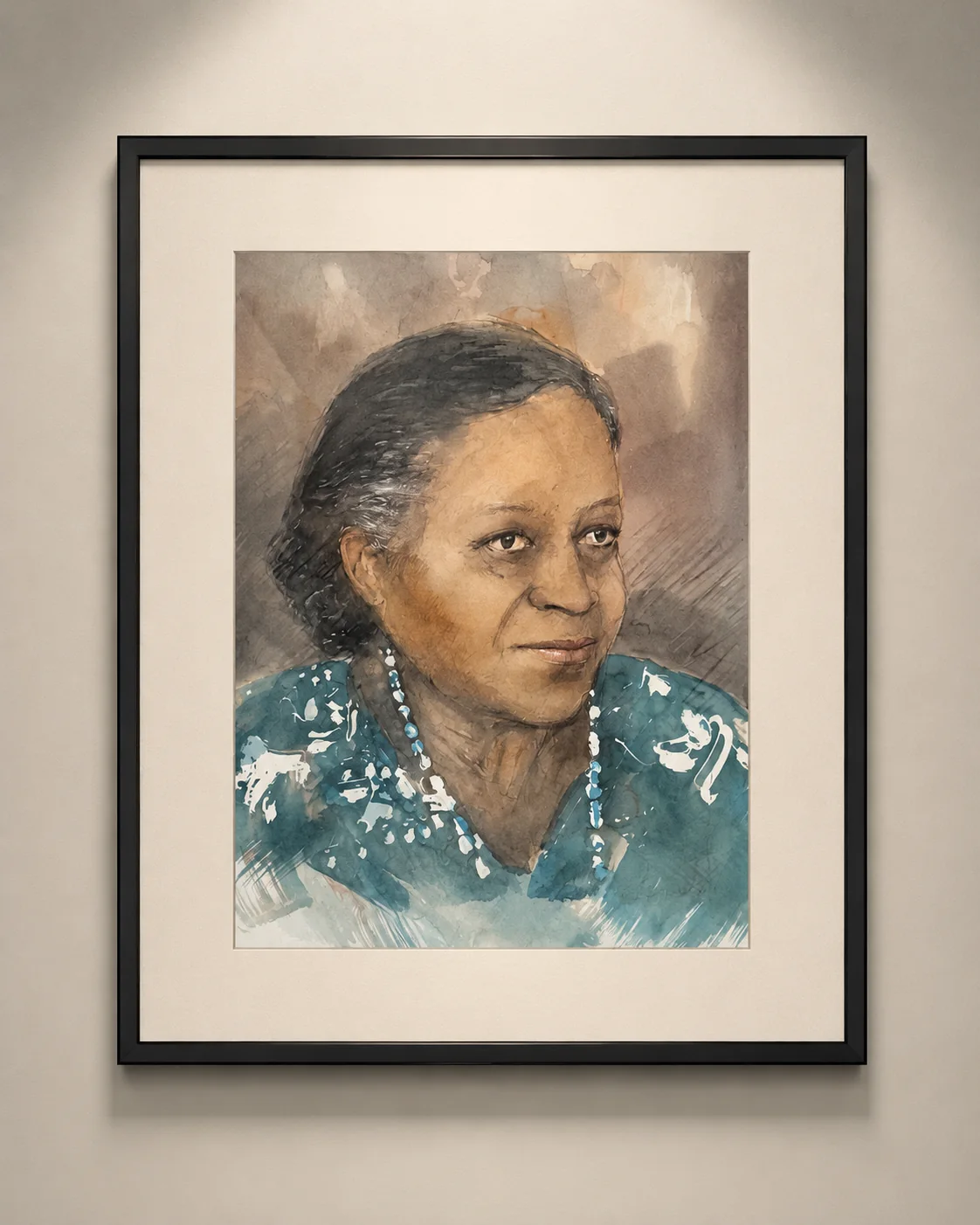
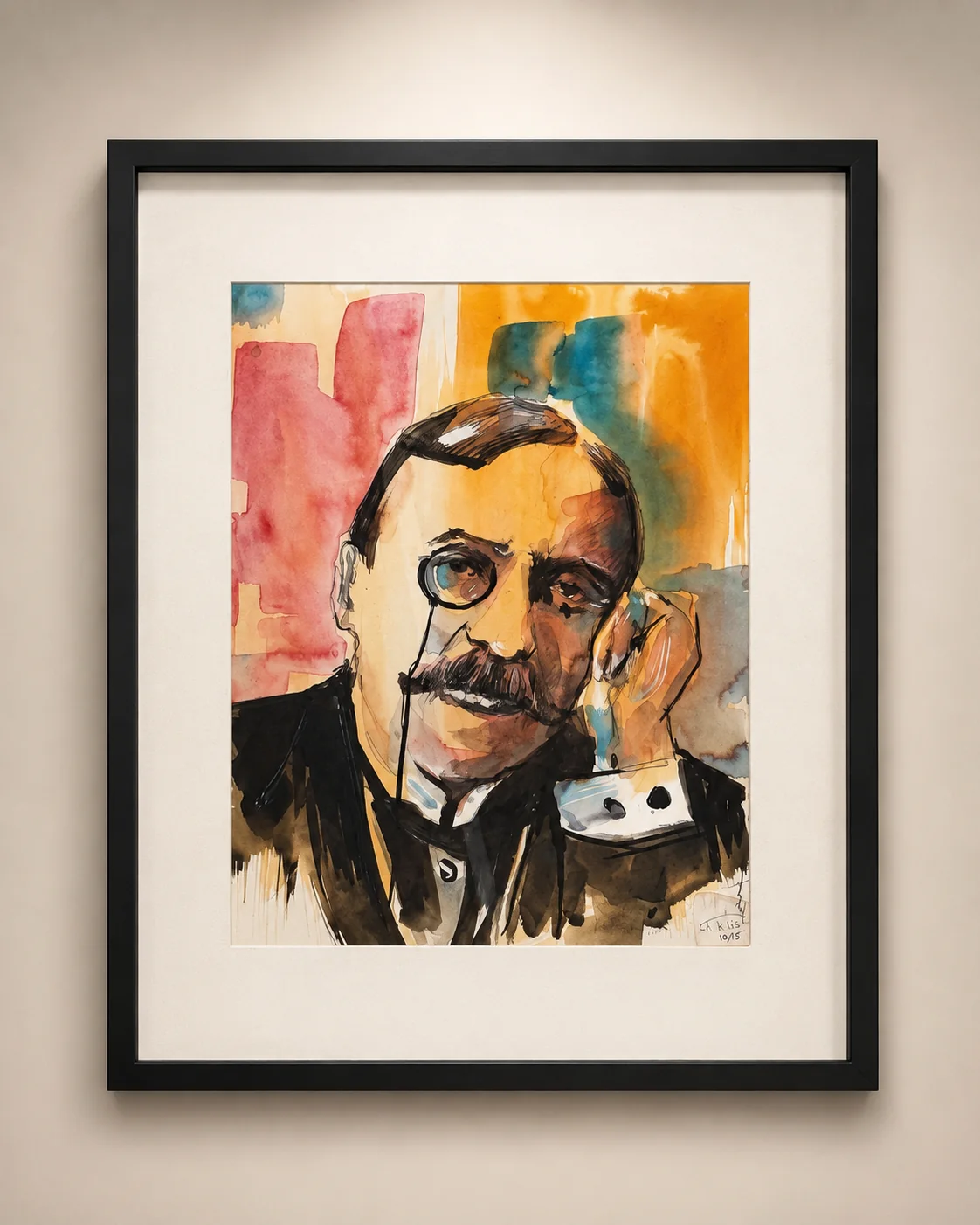
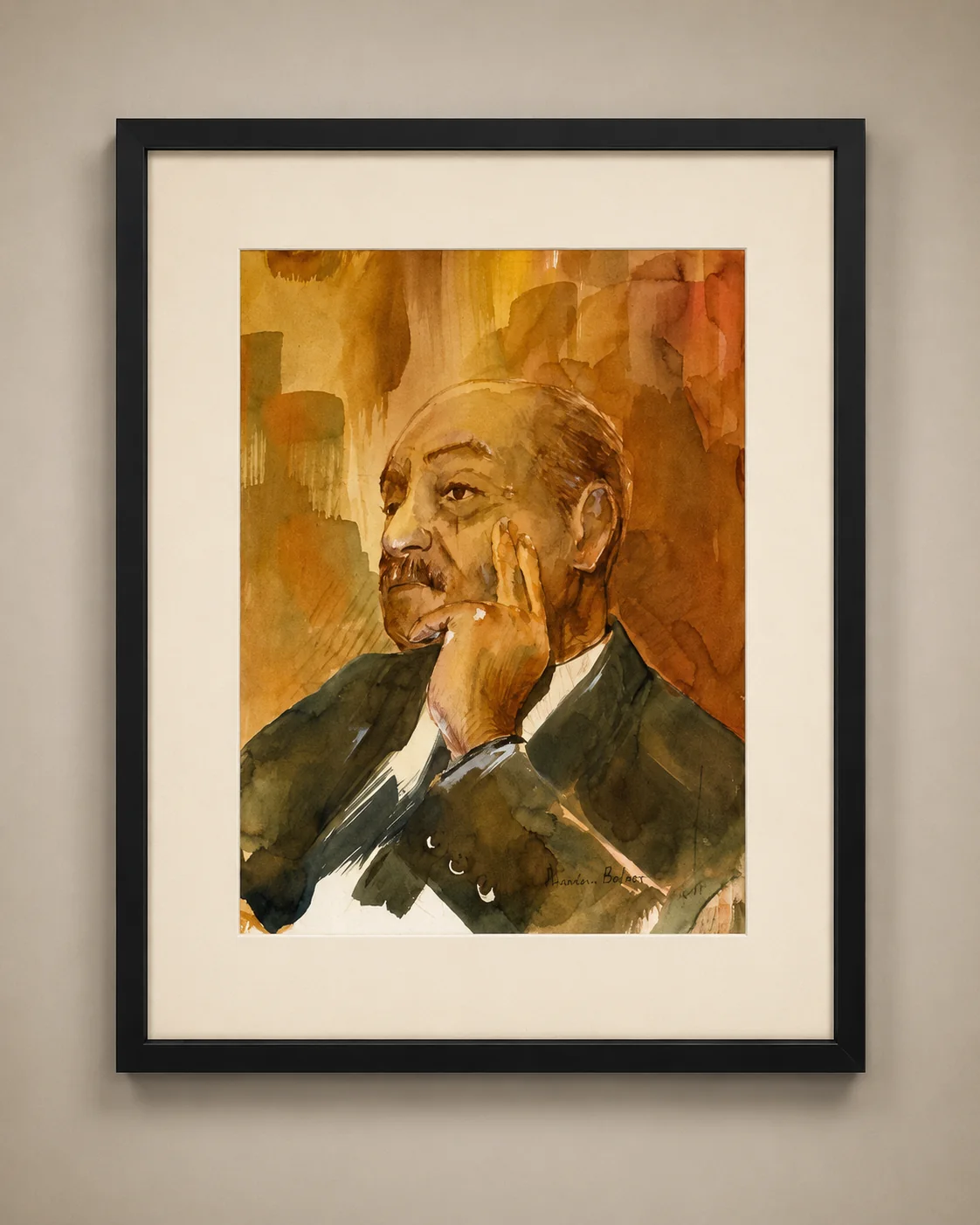
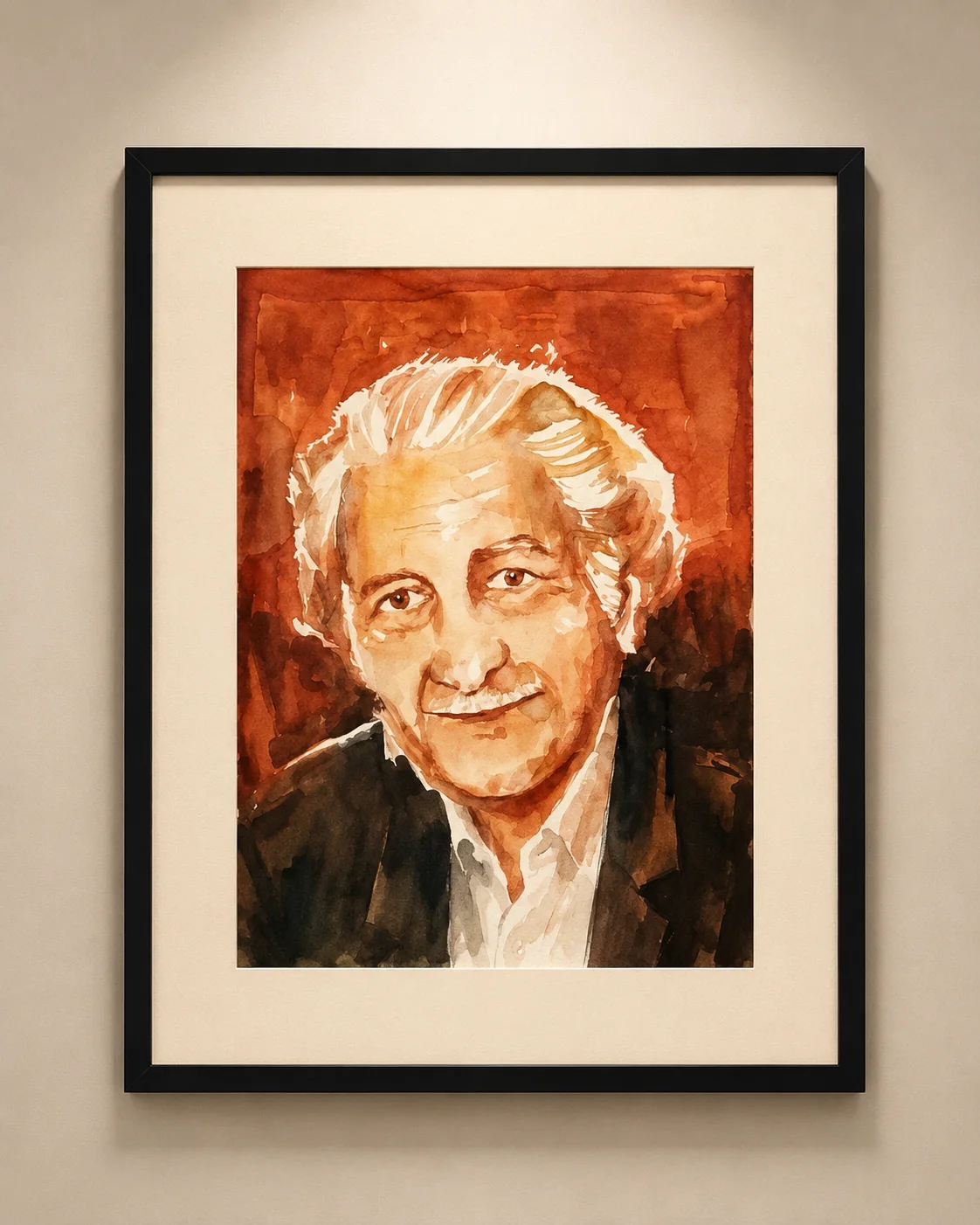
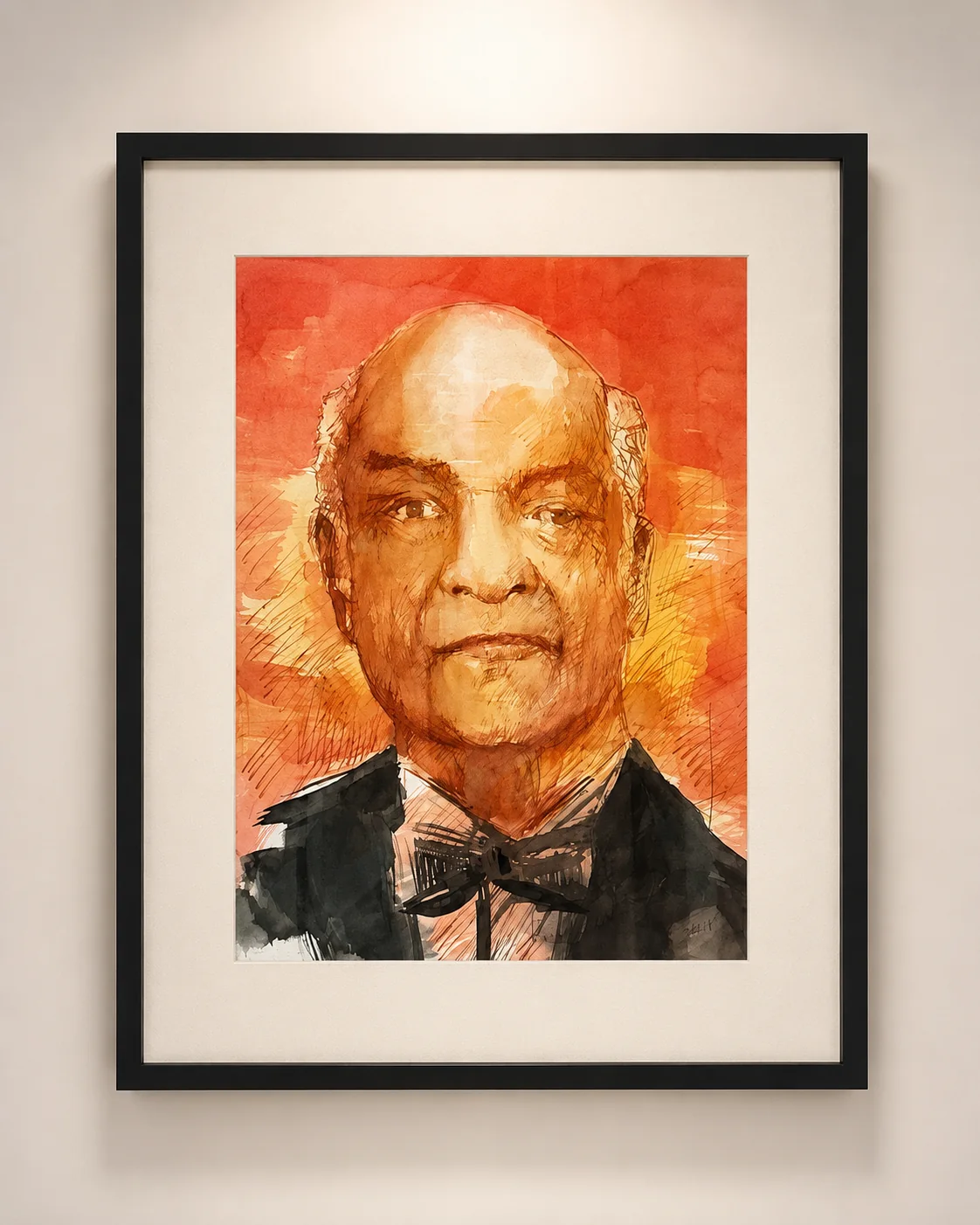
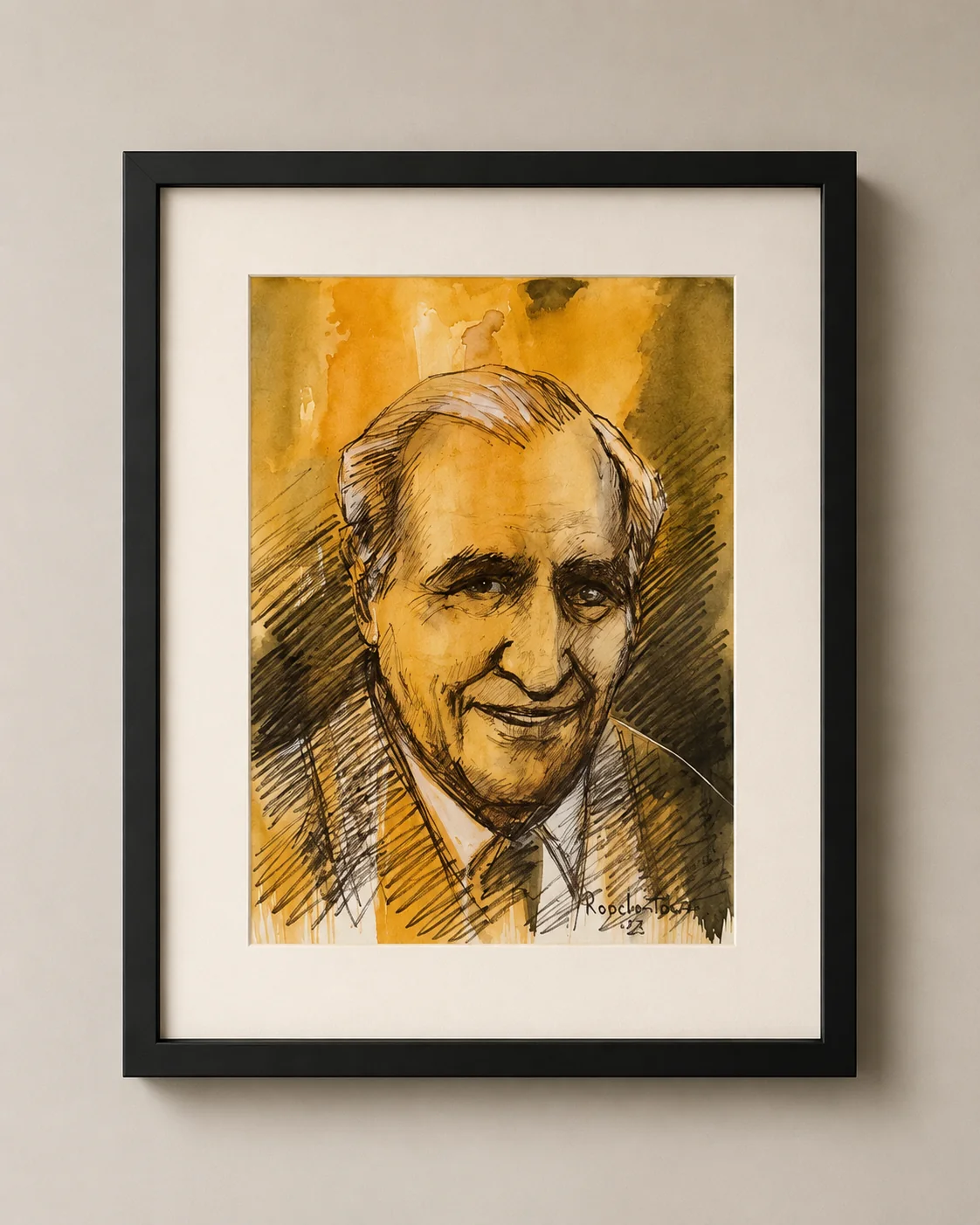
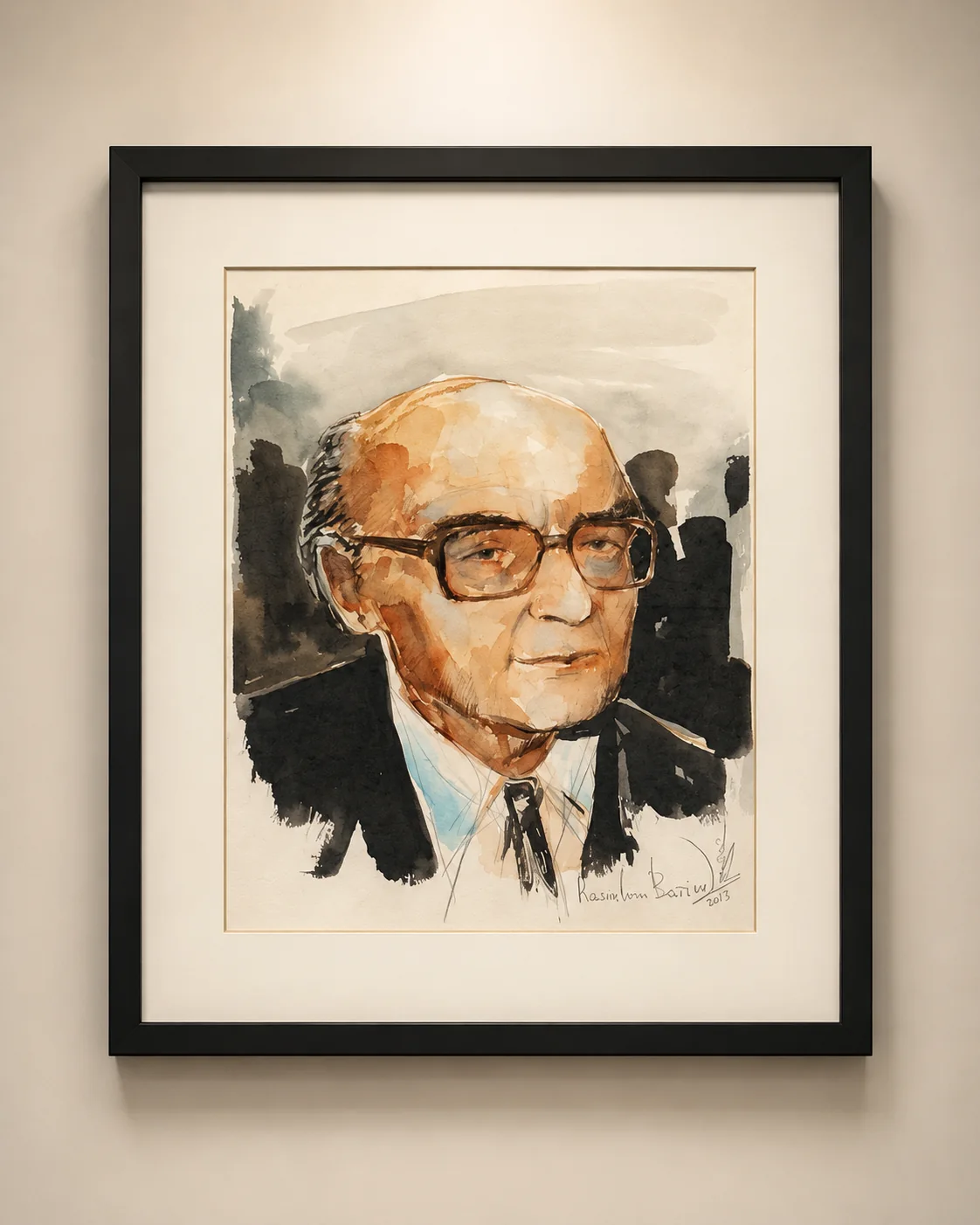
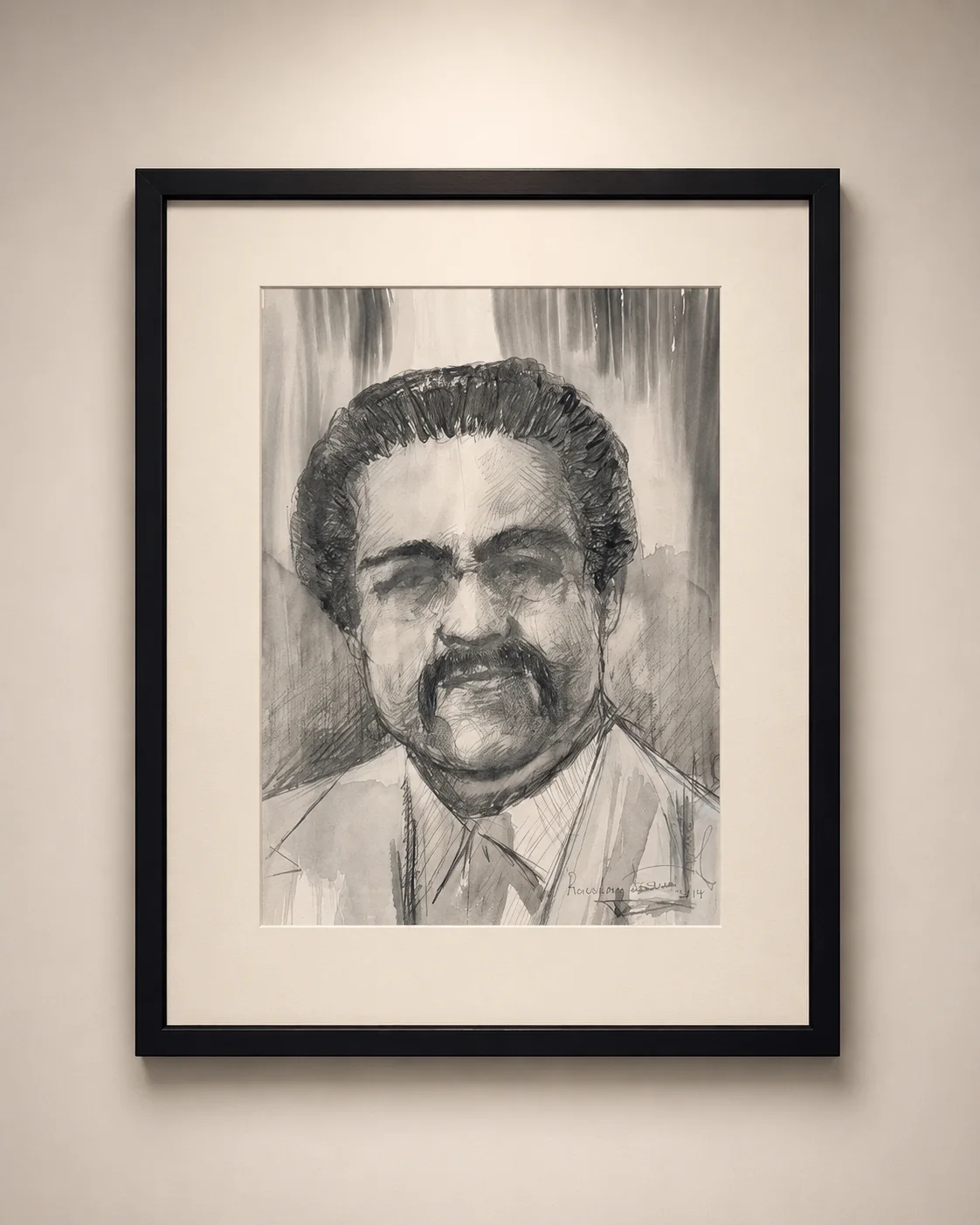
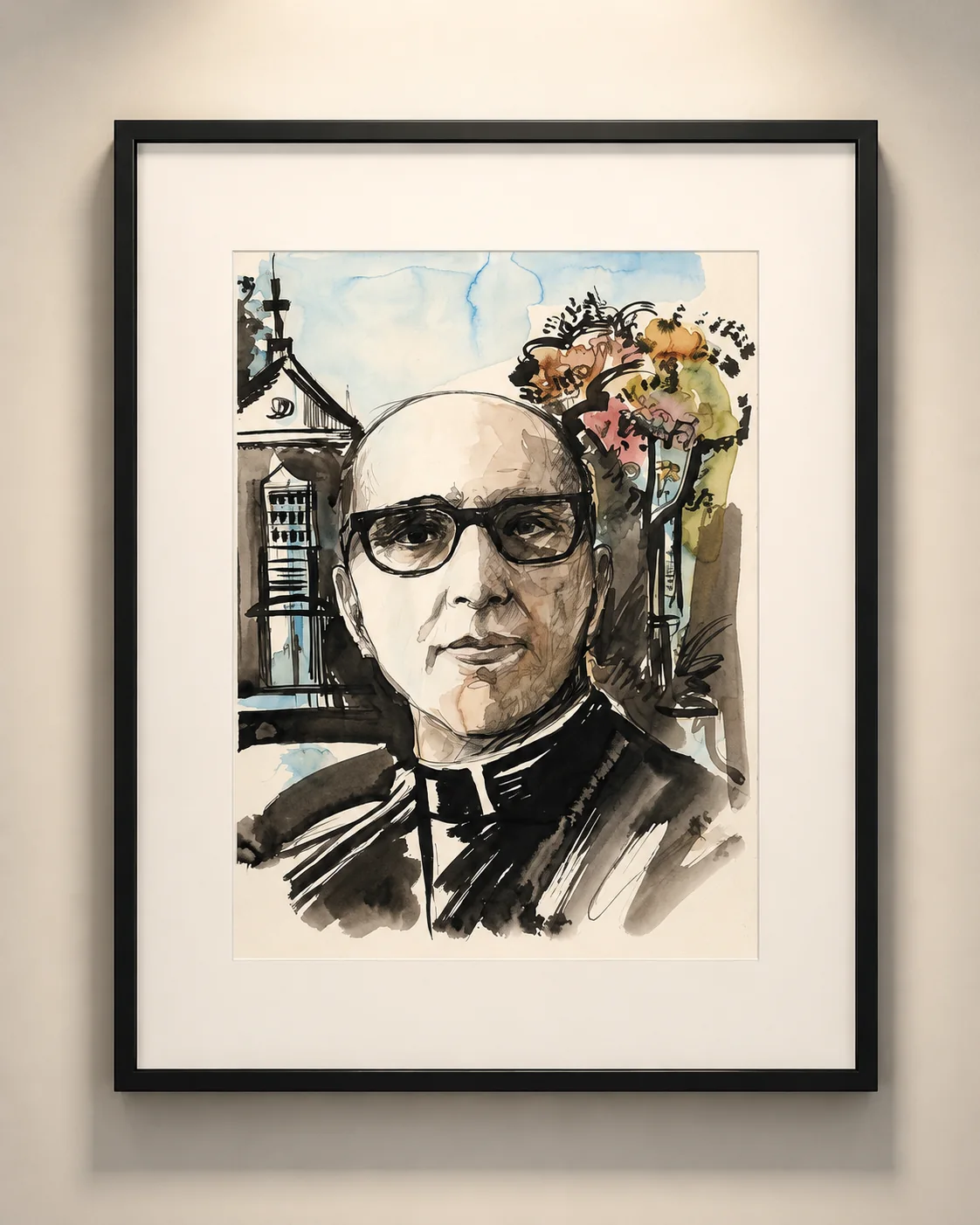
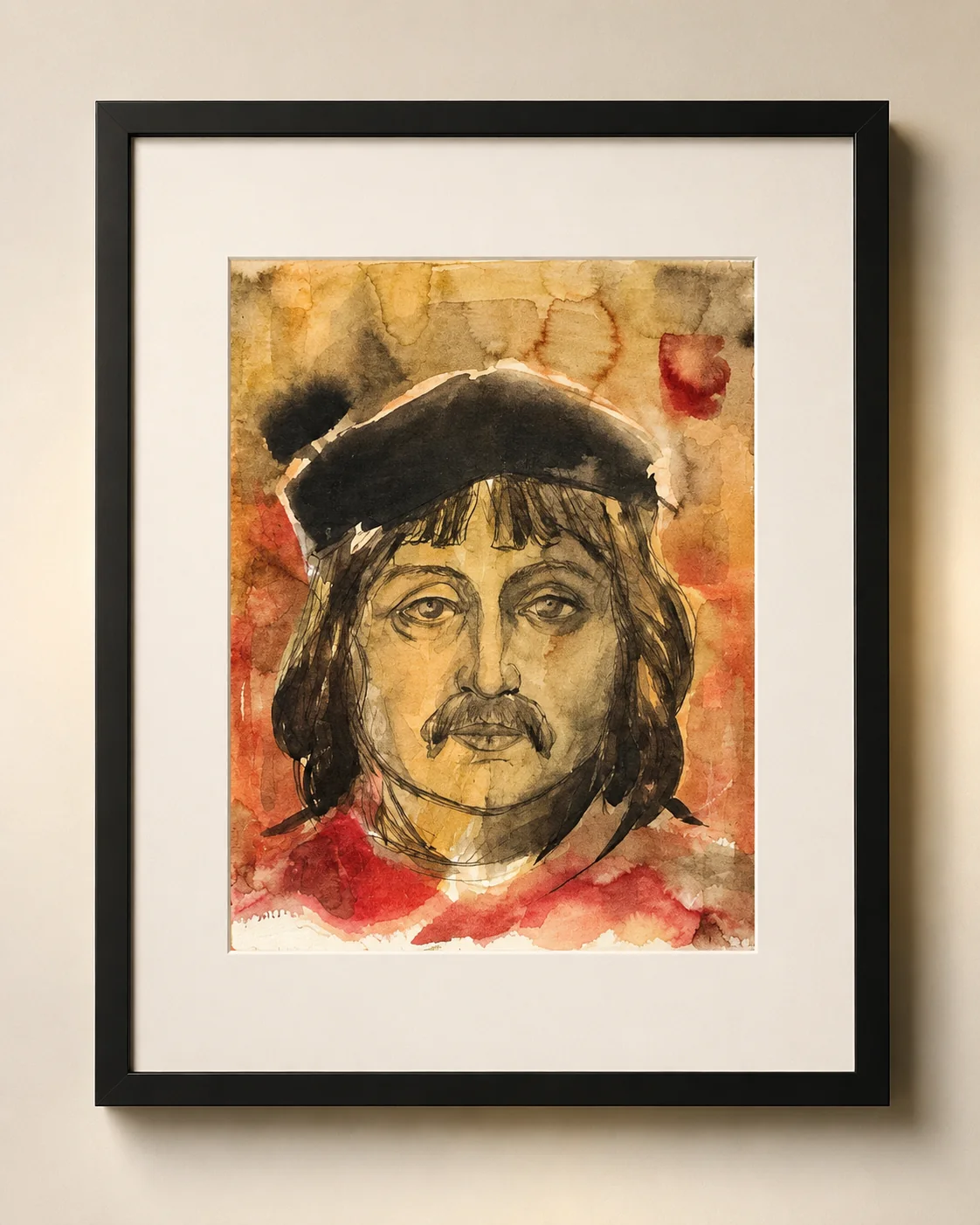
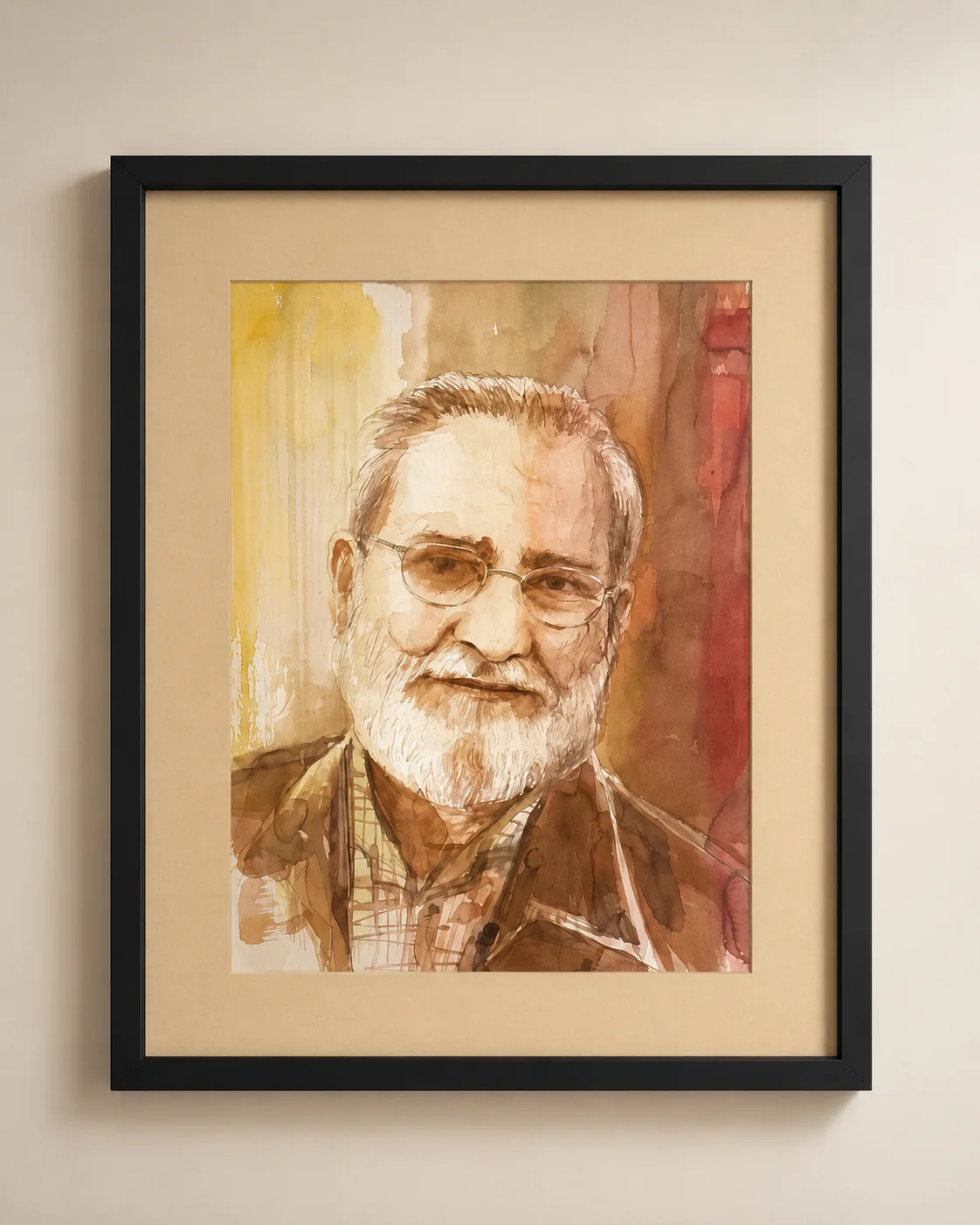
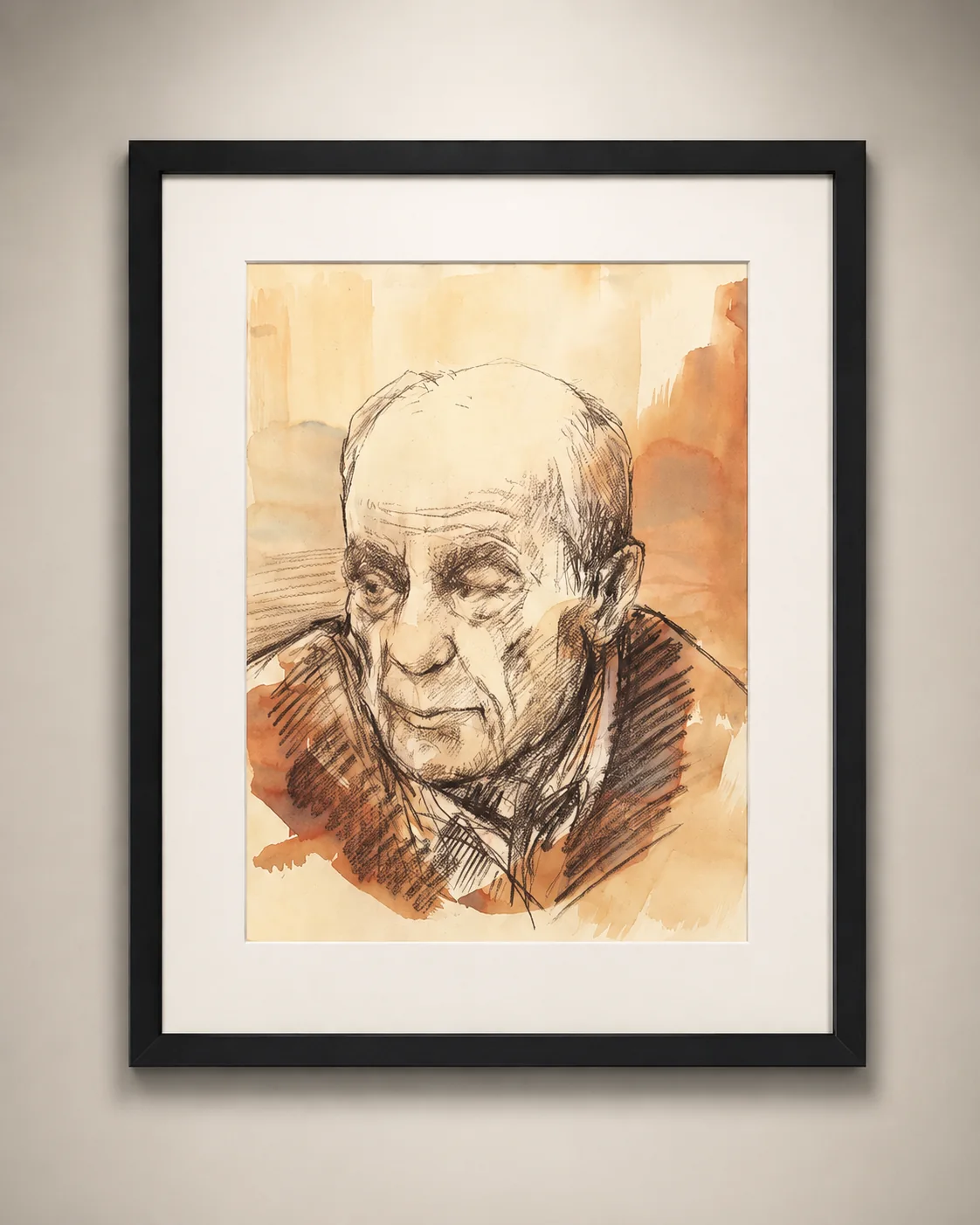
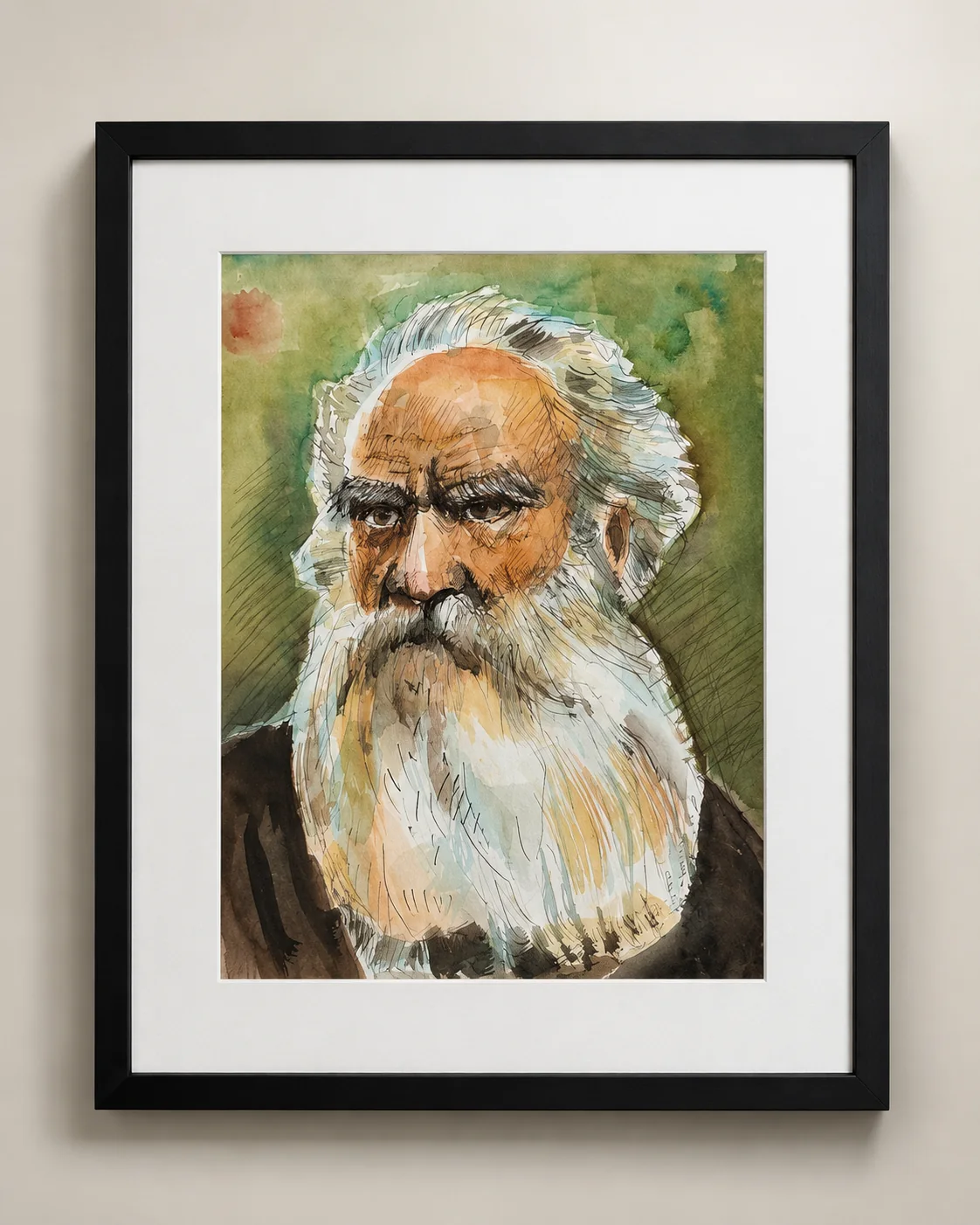
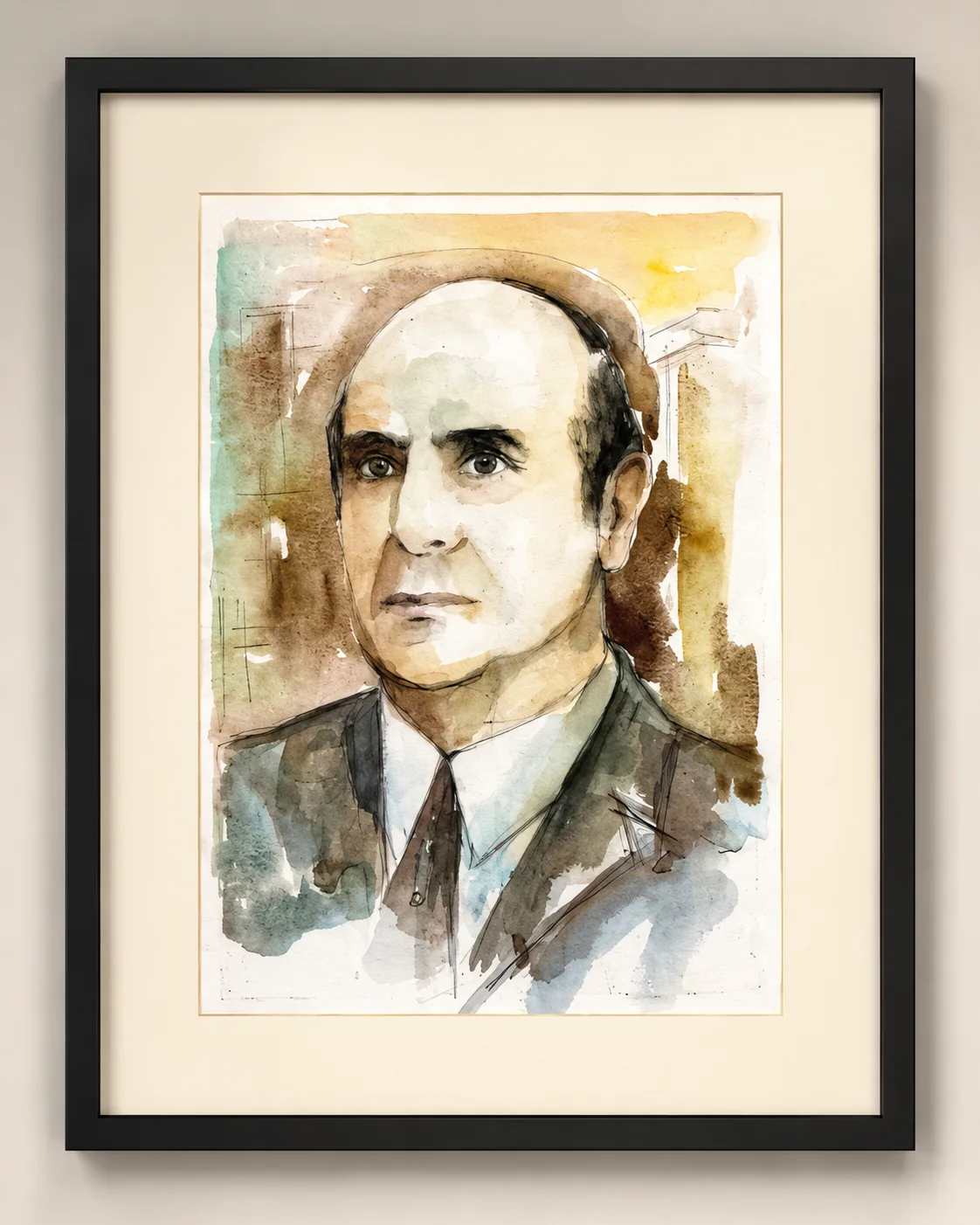
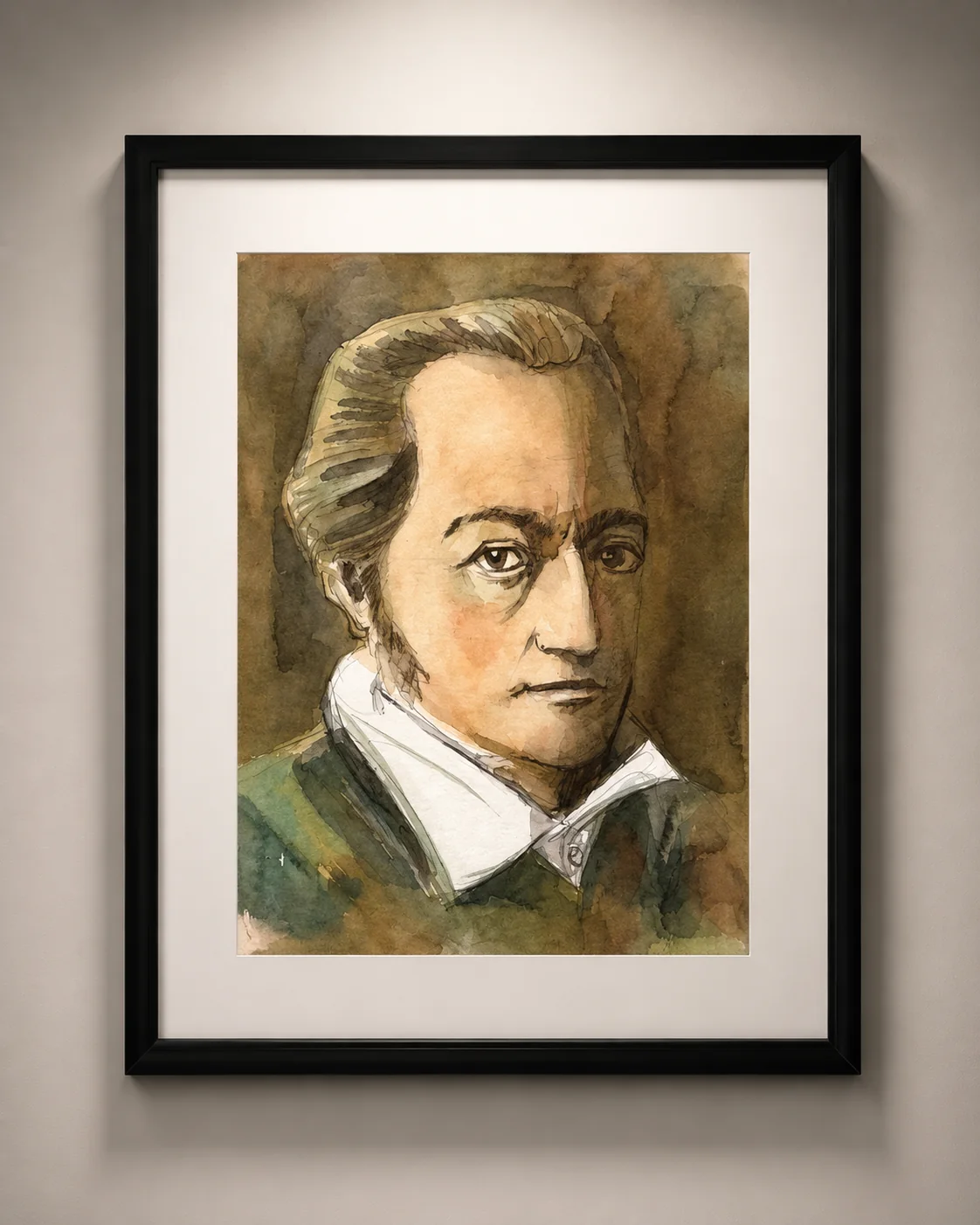
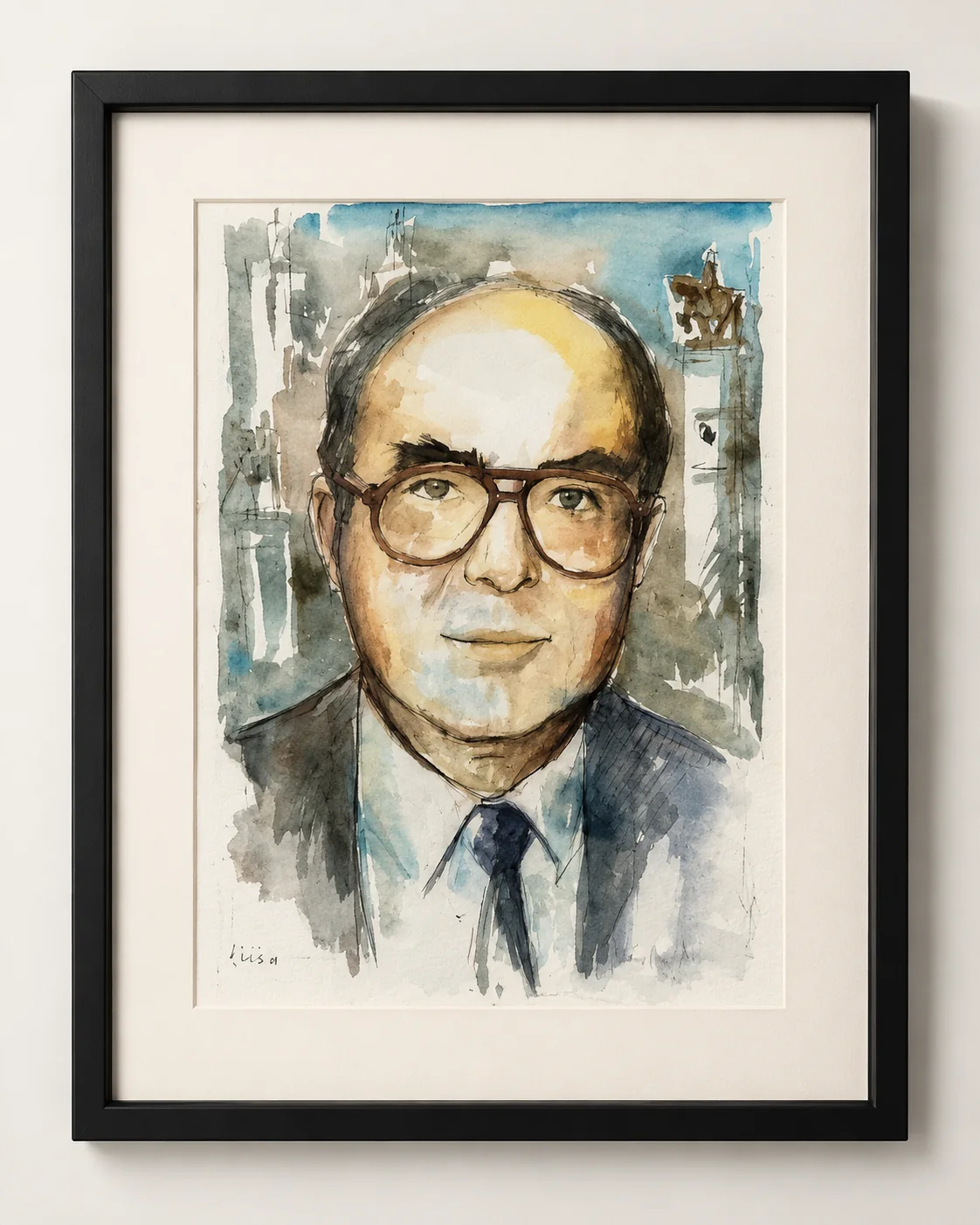
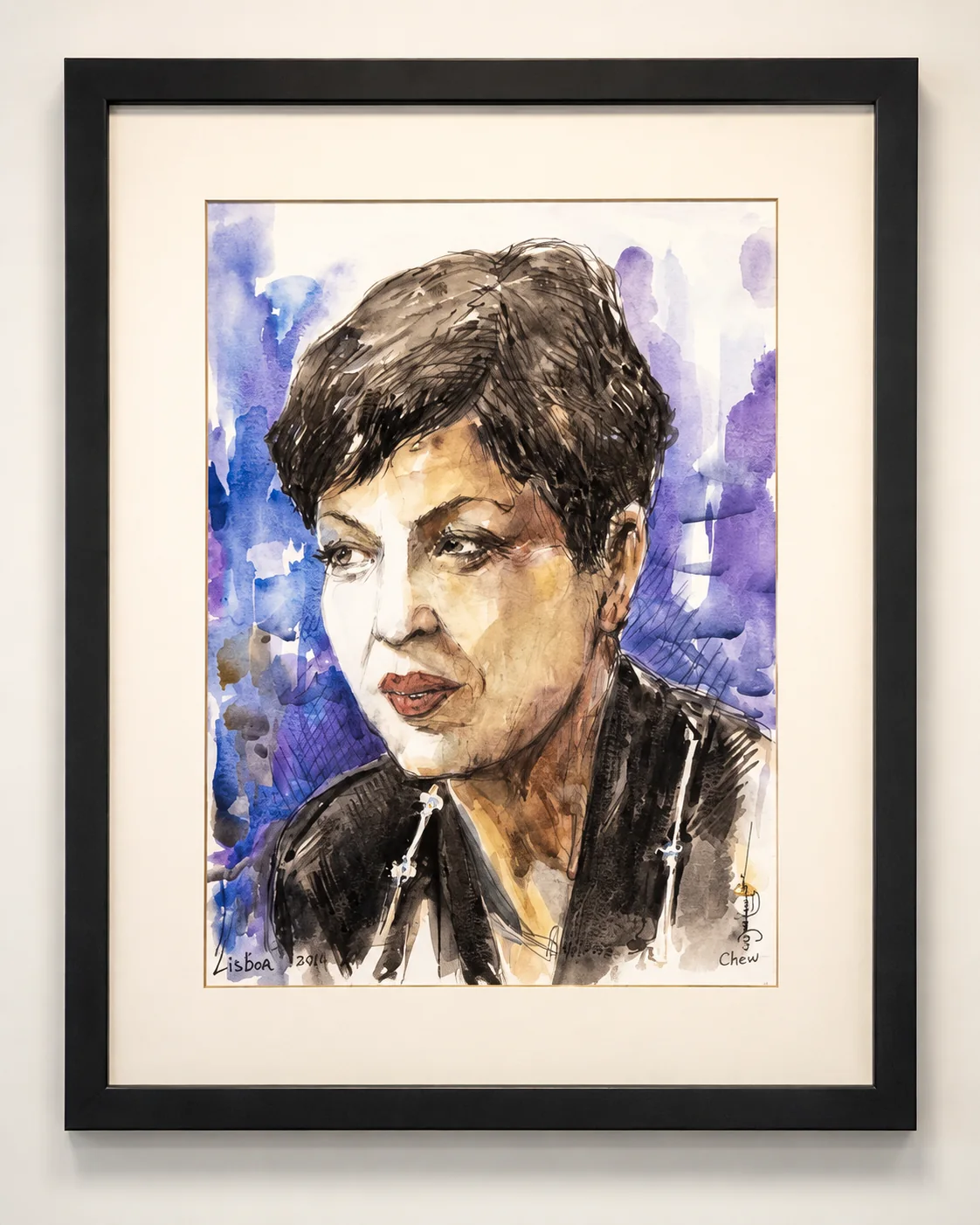
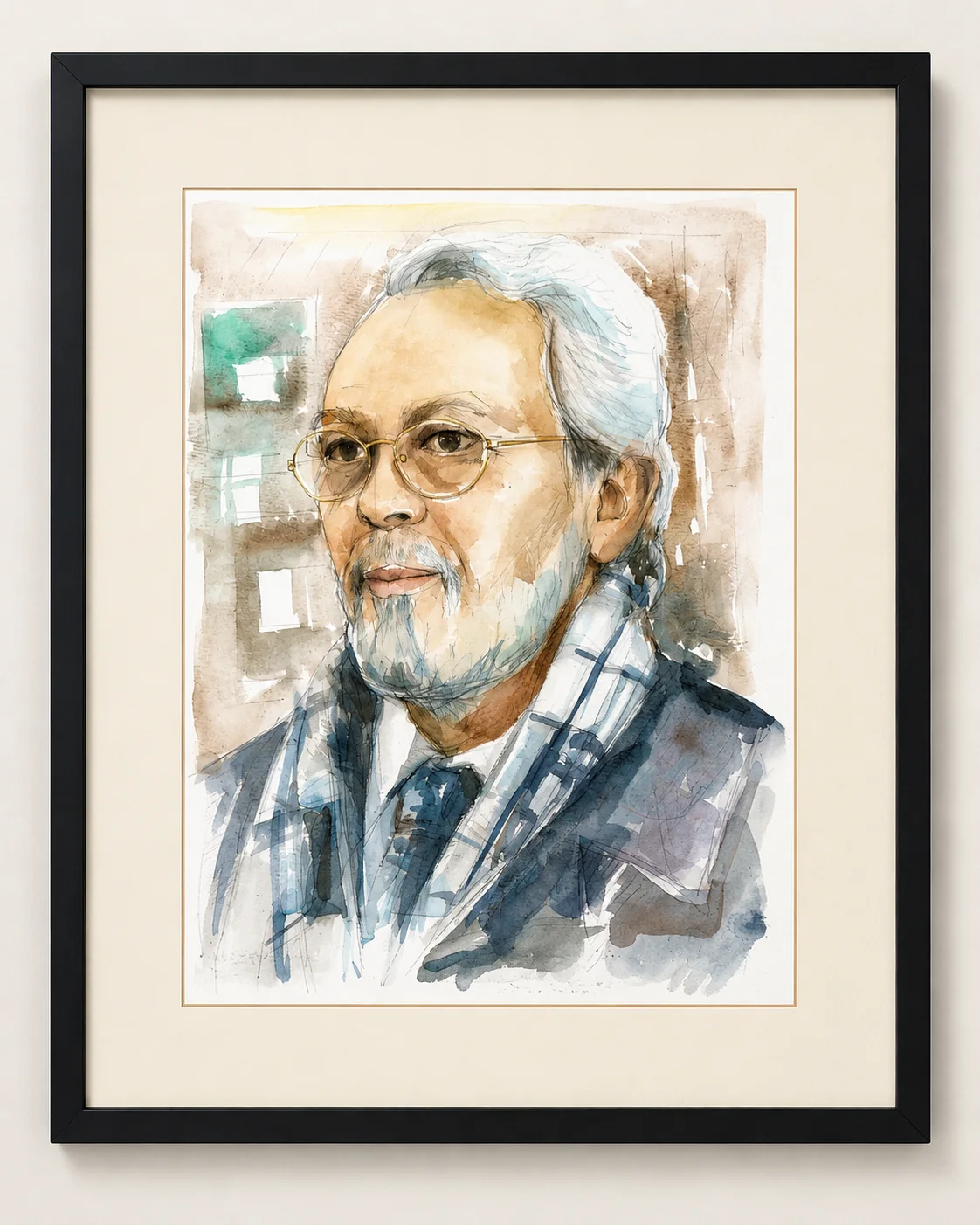
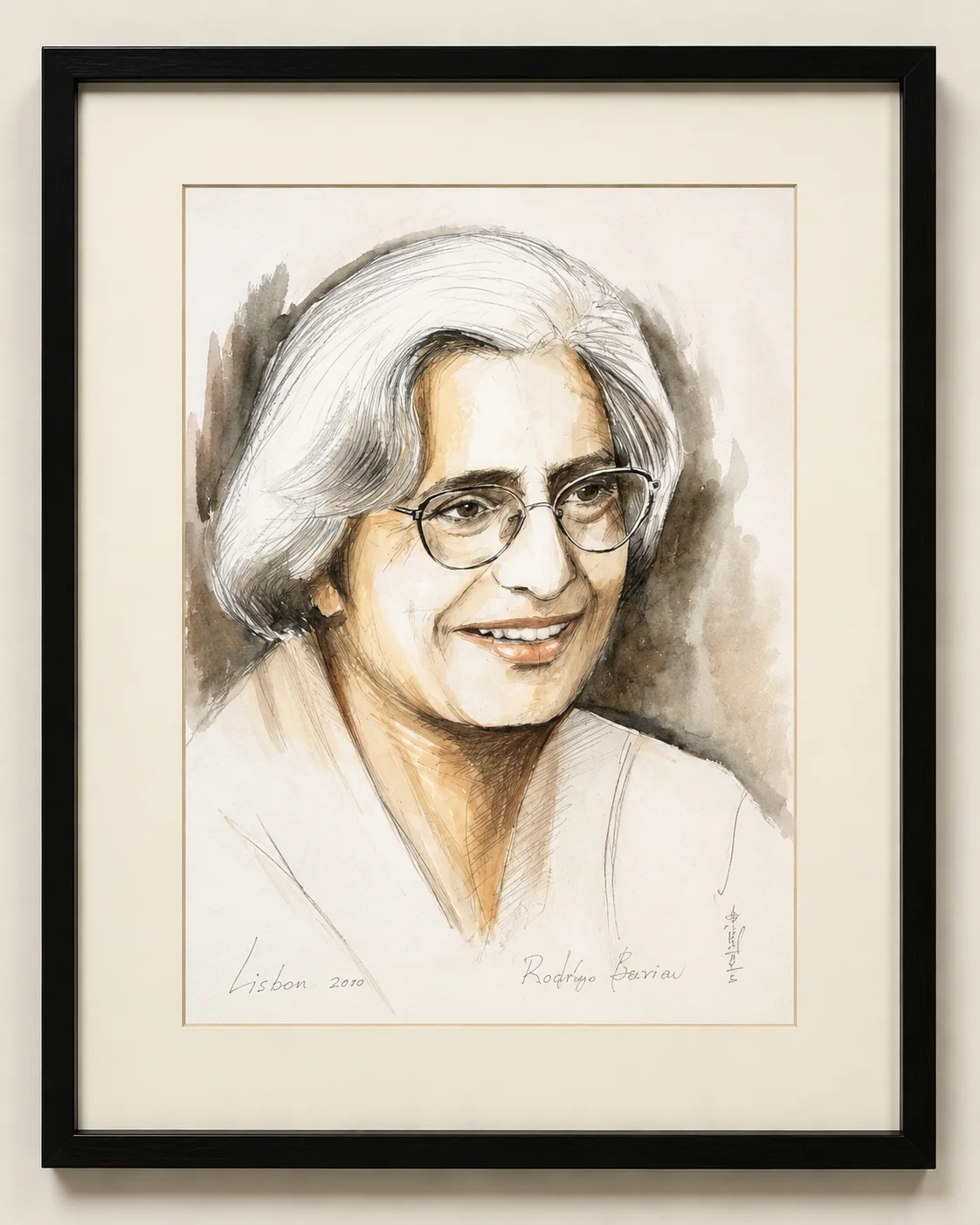
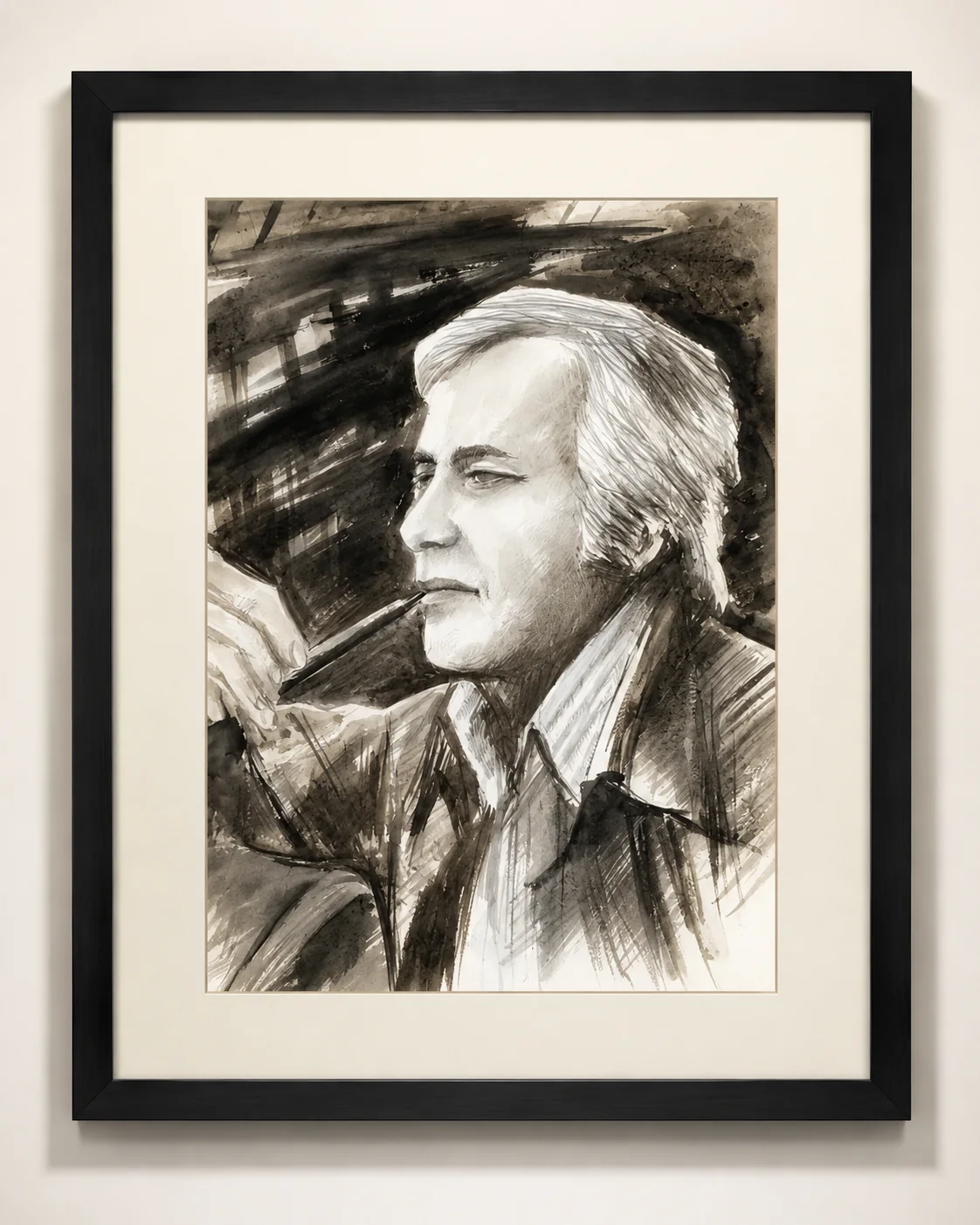
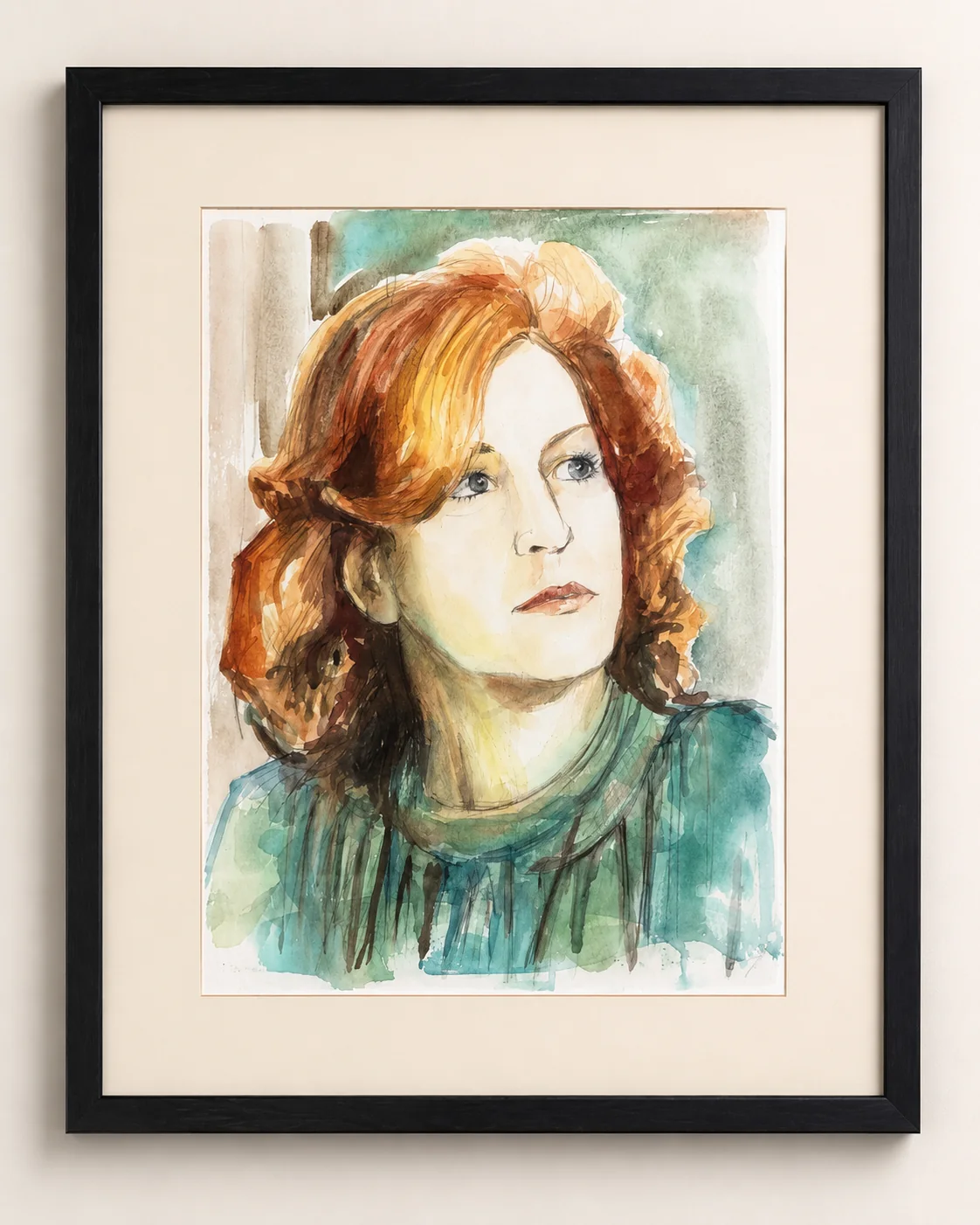
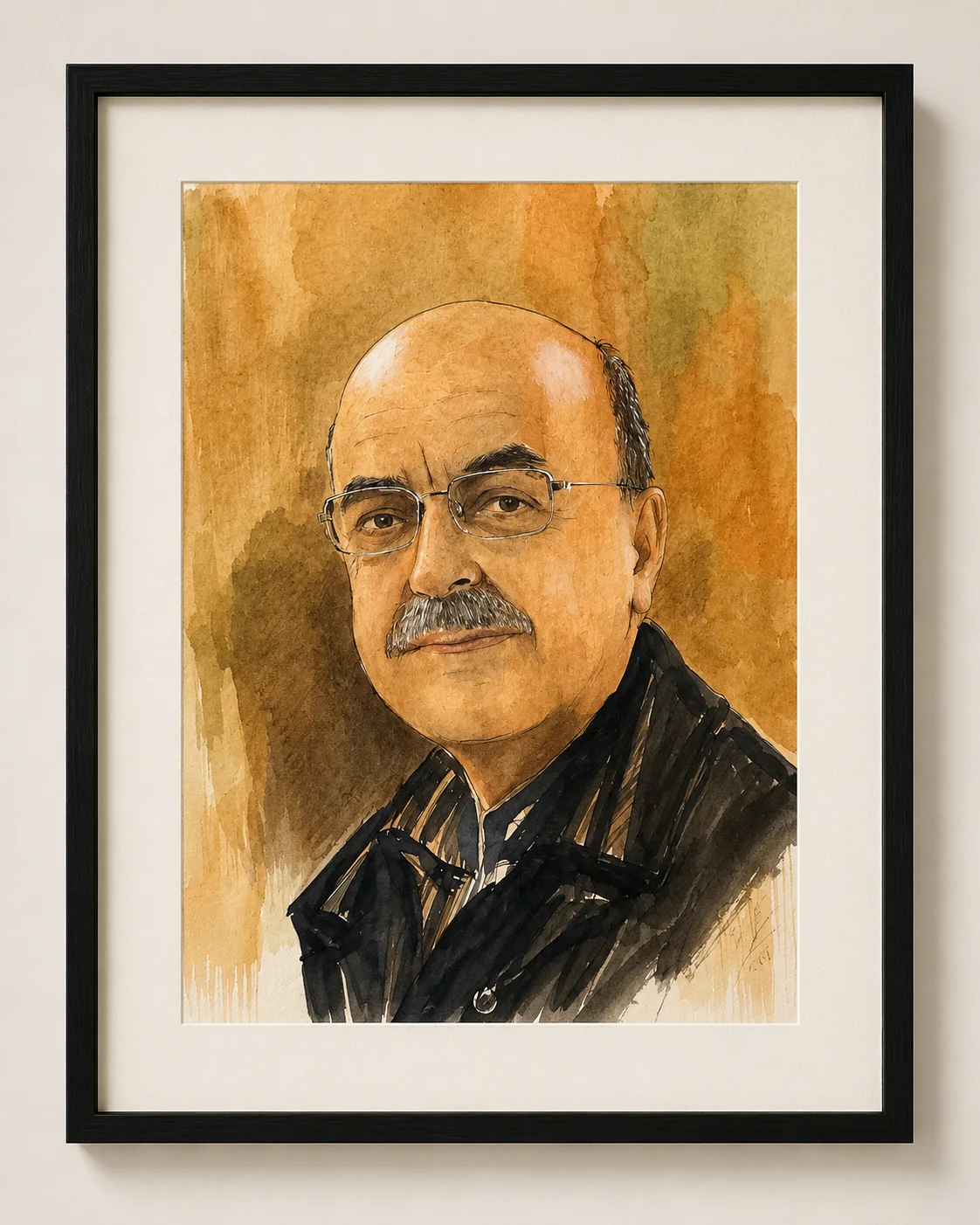
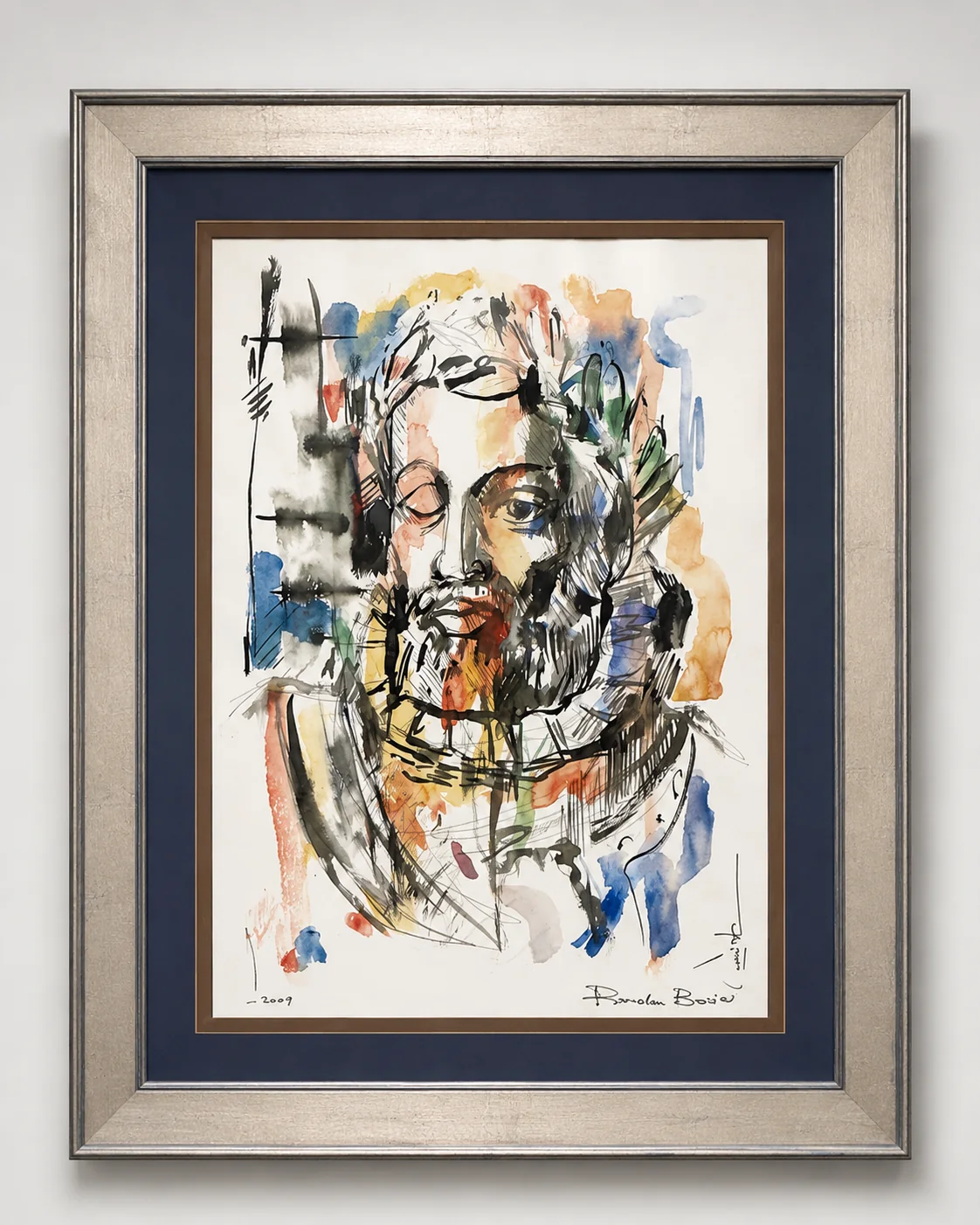
These works show Botiev’s world in a few gestures: Alfama streets, Oirat-Mongolian memory, fast ink lines, and the warm stains of coffee and red wine.

Featured cow composition painted with coffee and red wine by Rouslam Botiev
Featured woman and bowl composition painted with coffee and red wine by Rouslam Botiev
Featured colorful Lisbon city watercolor by Rouslam Botiev
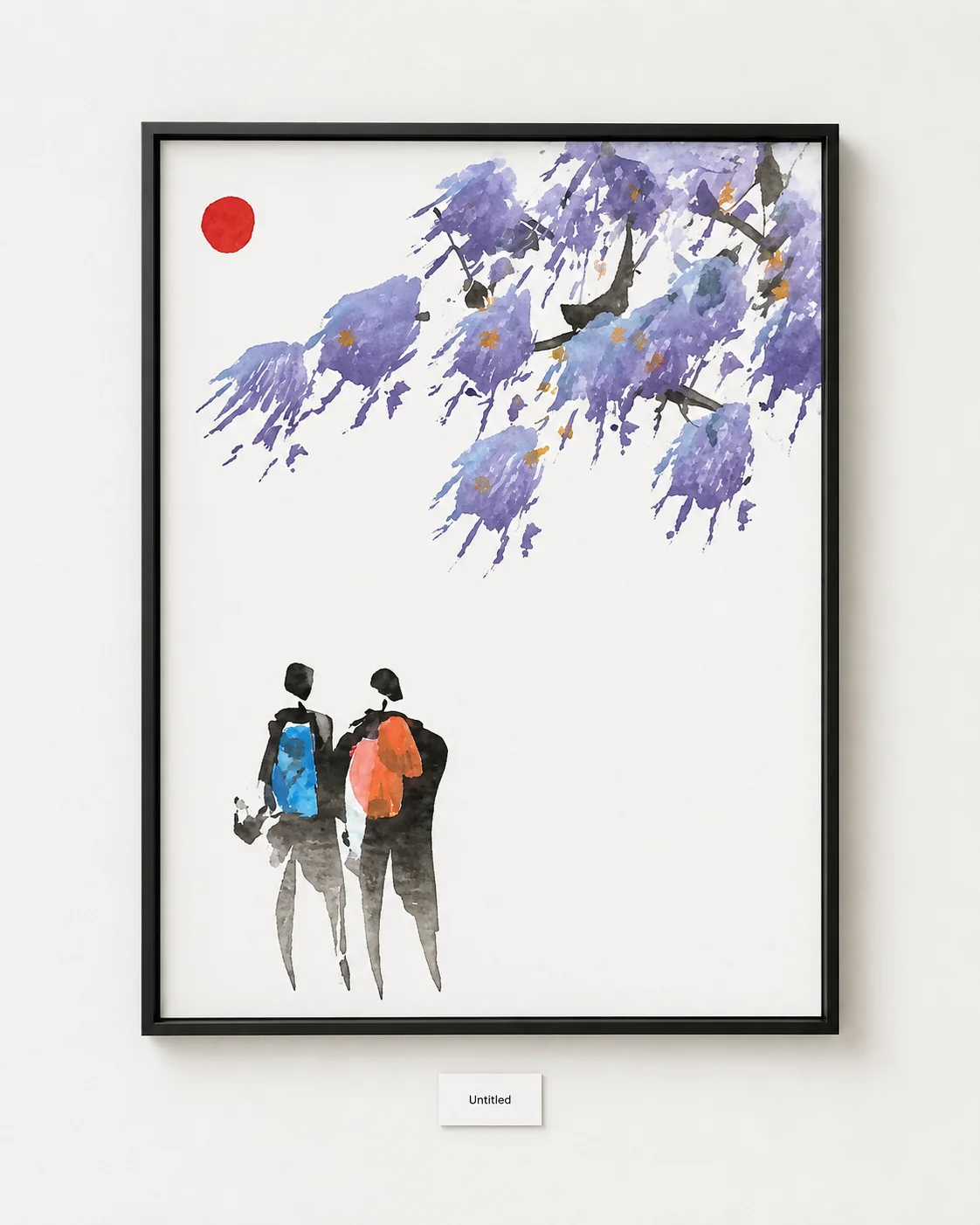
Featured purple blossom and figure work by Rouslam Botiev

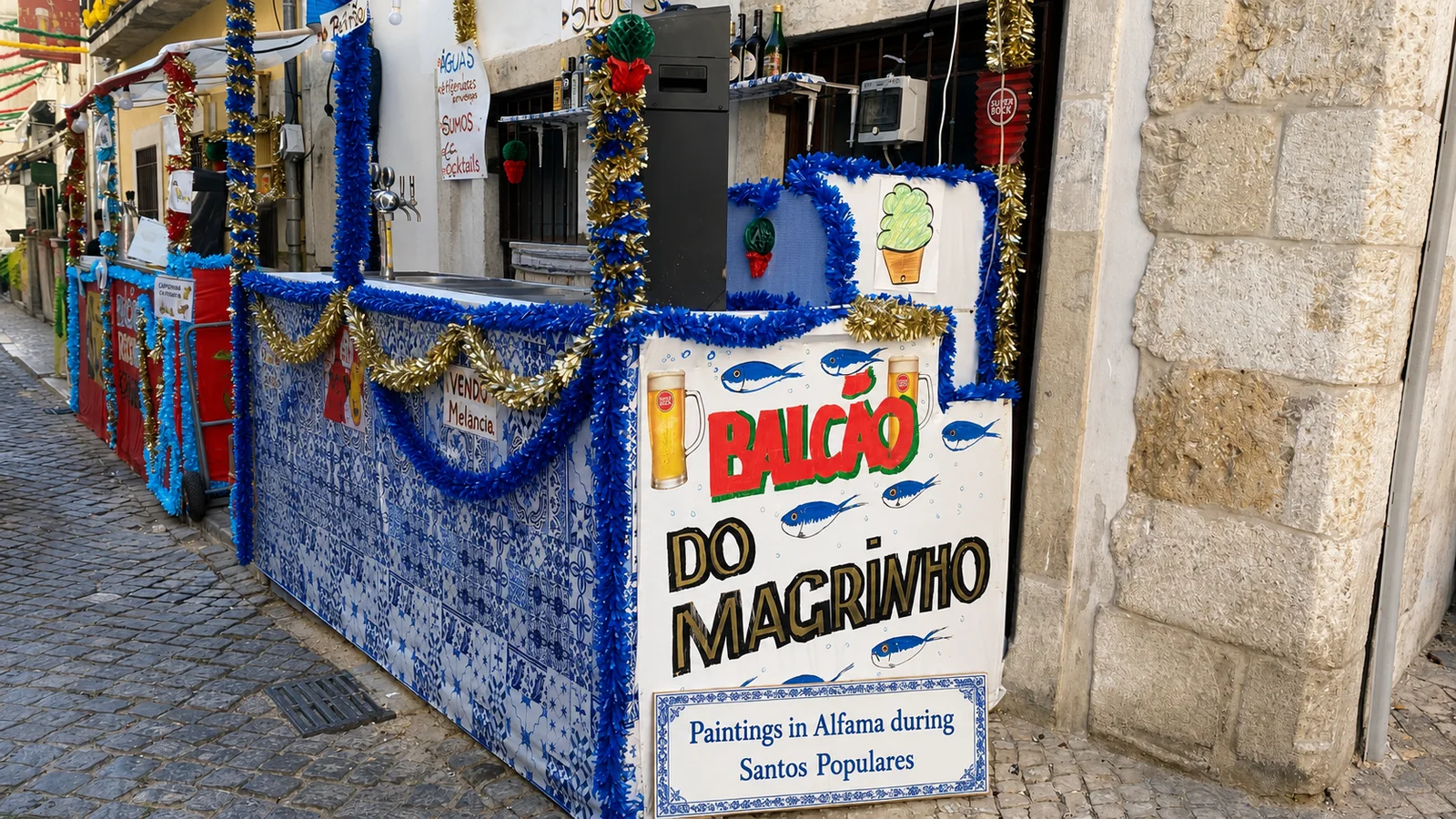
Alfama in a fast black line.

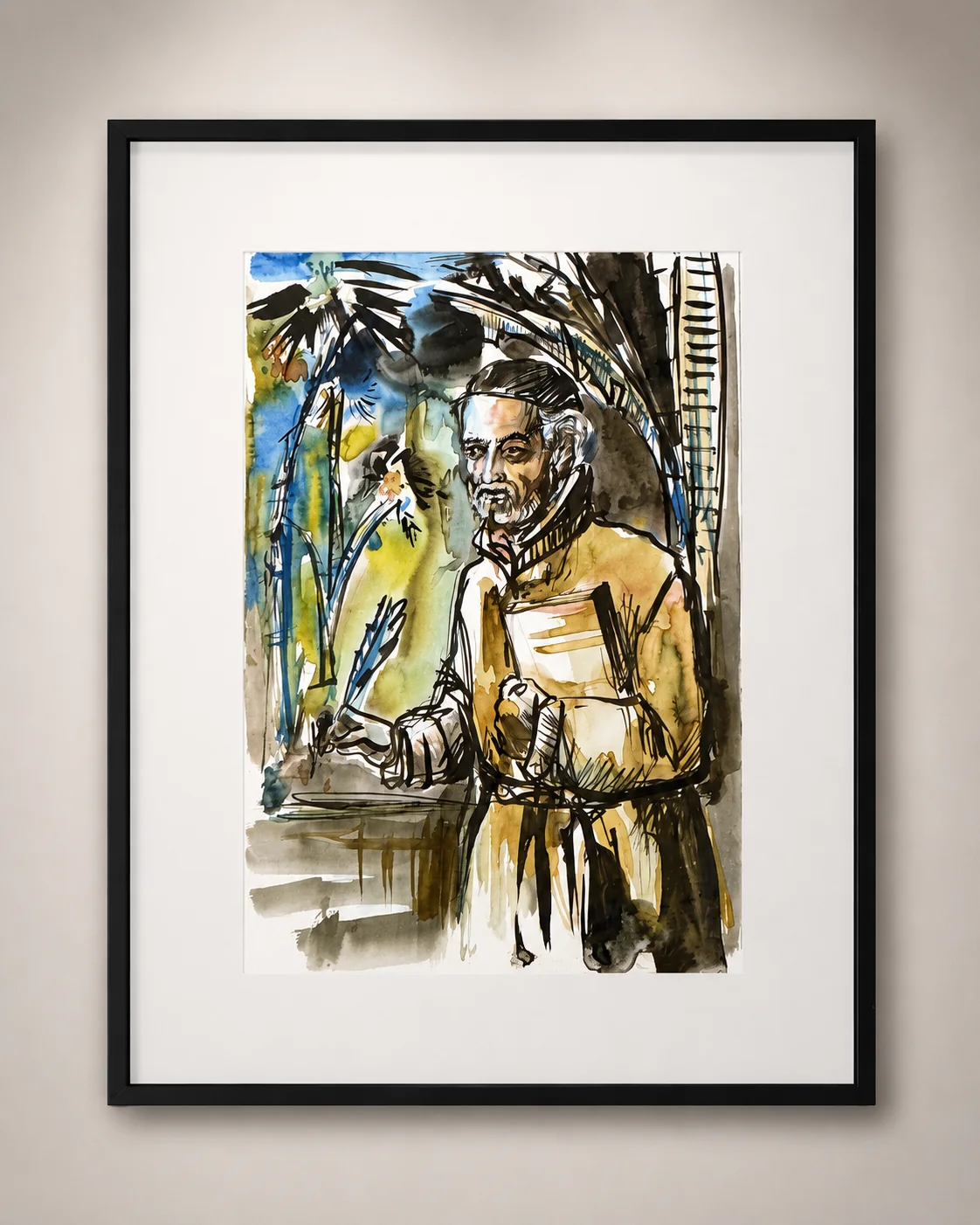
In these works, Lisbon is not only a subject. It becomes movement: steep streets, tiled façades, Fado shadows, and figures caught quickly by the hand.

Faces held close to the hand.

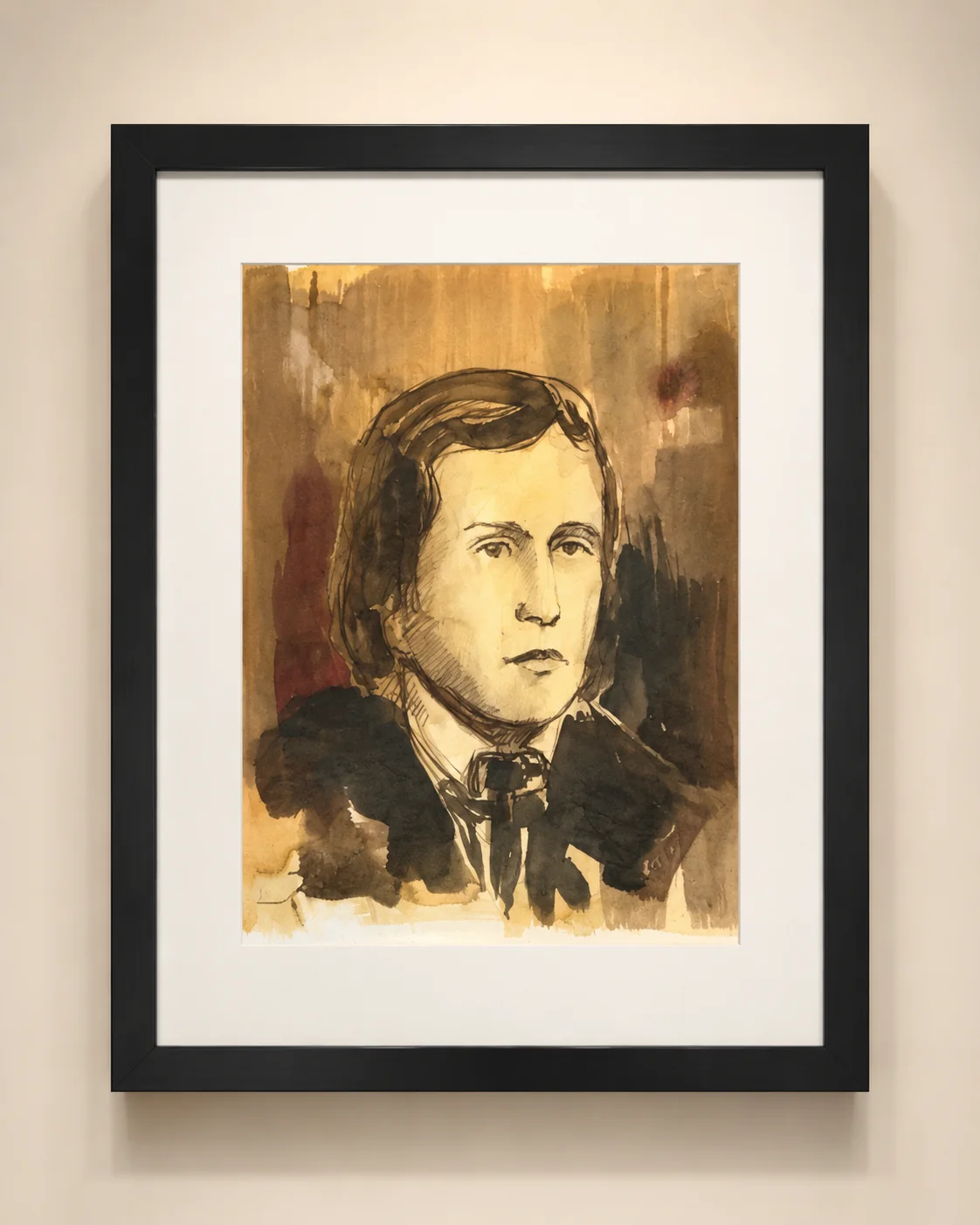
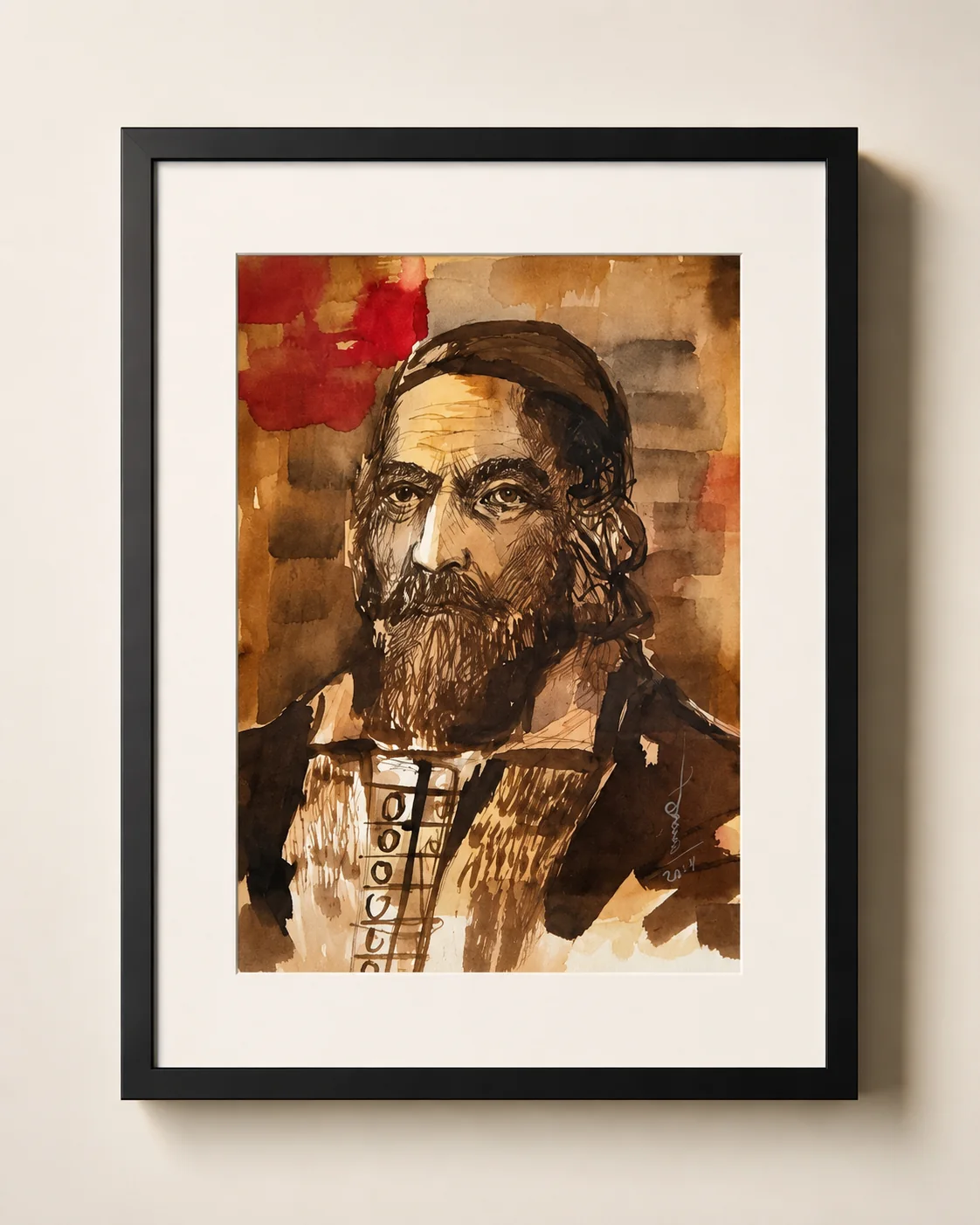
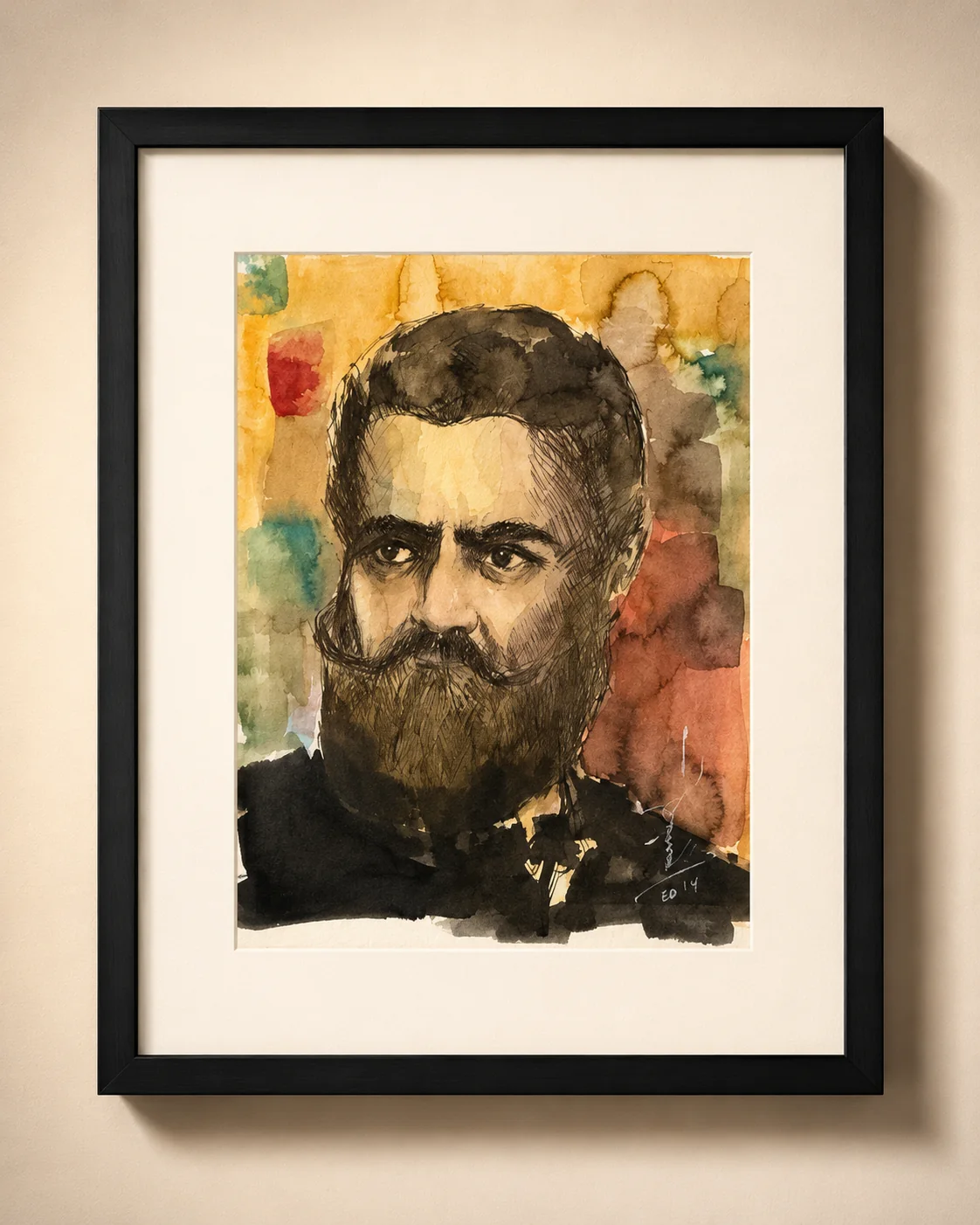
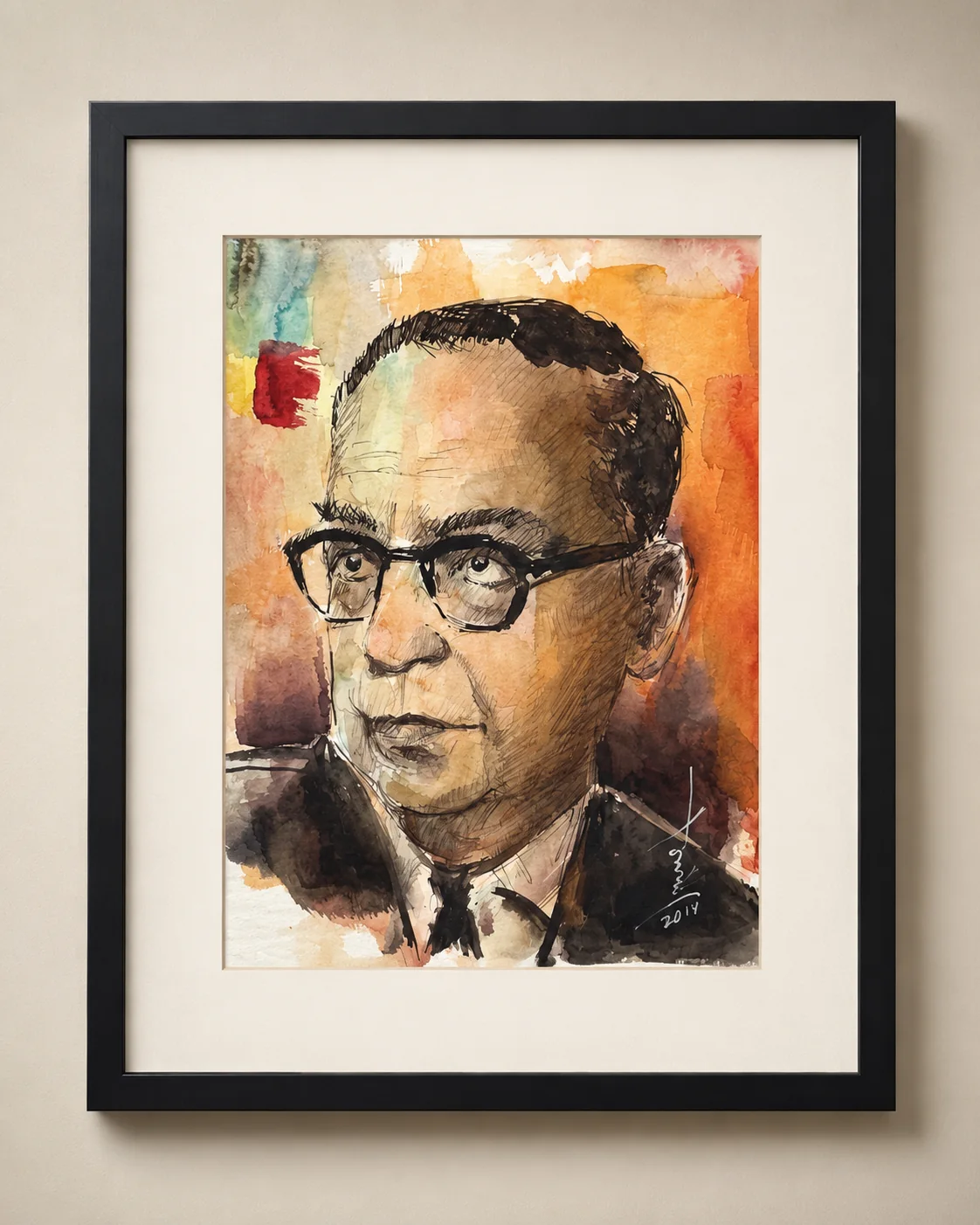
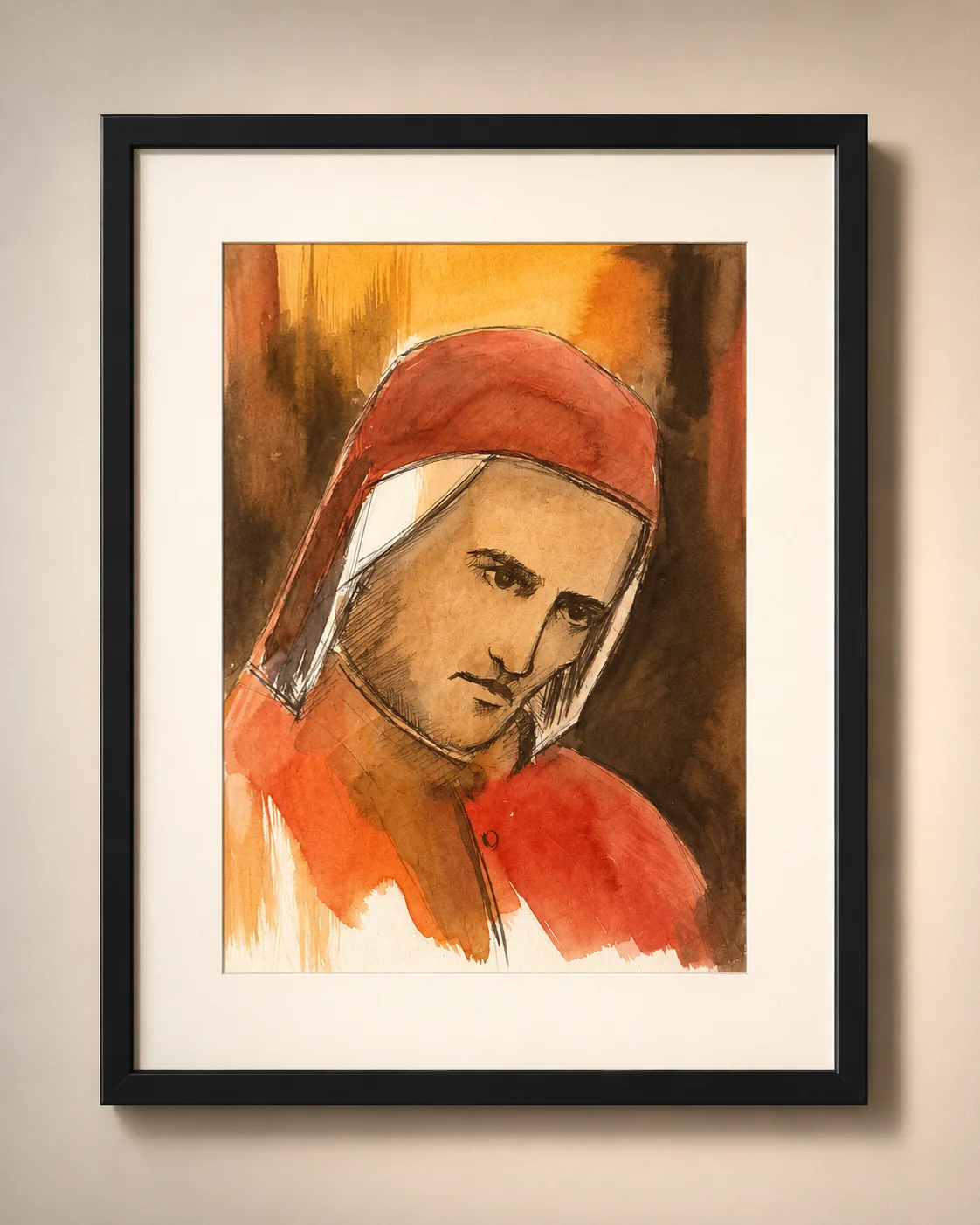
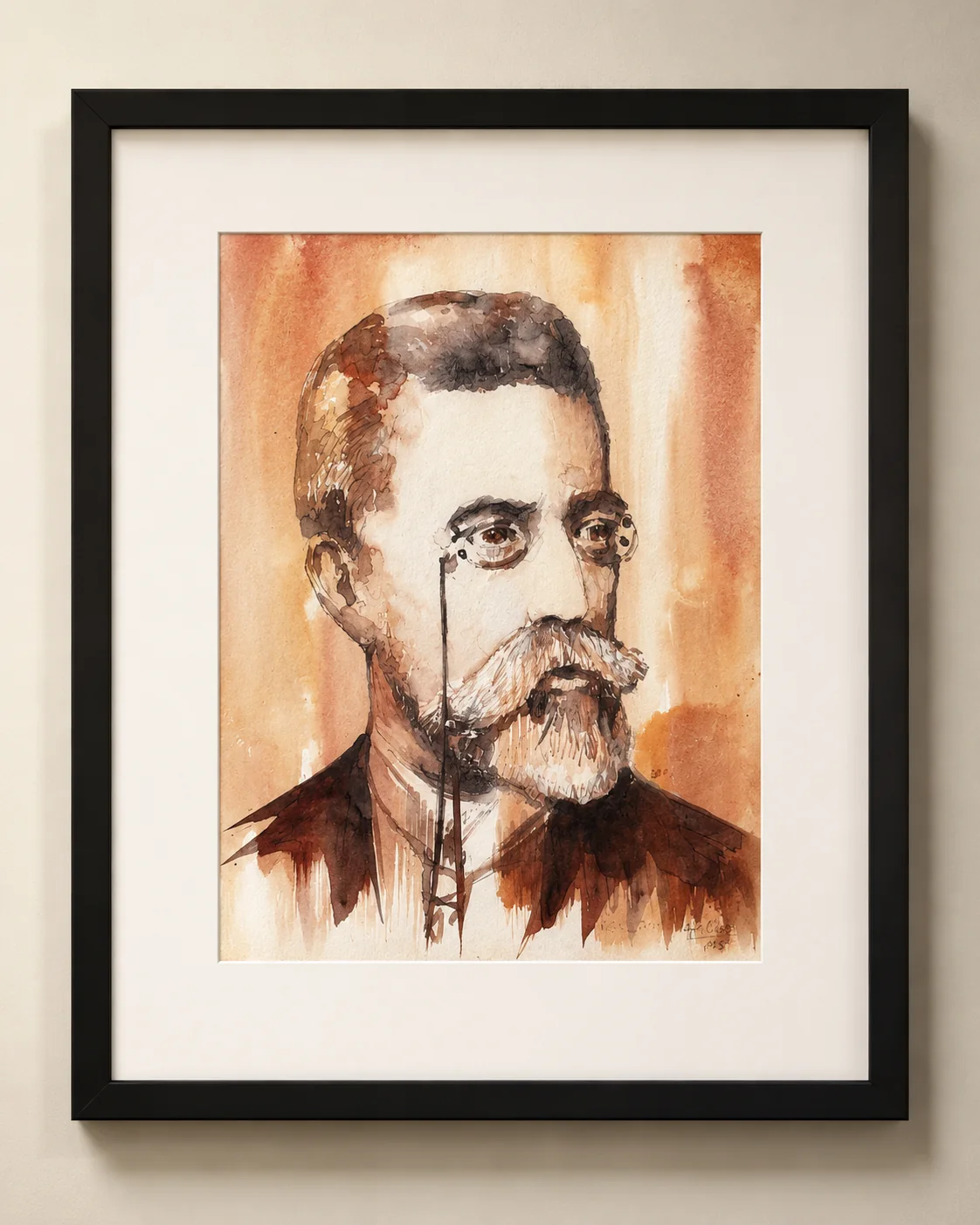
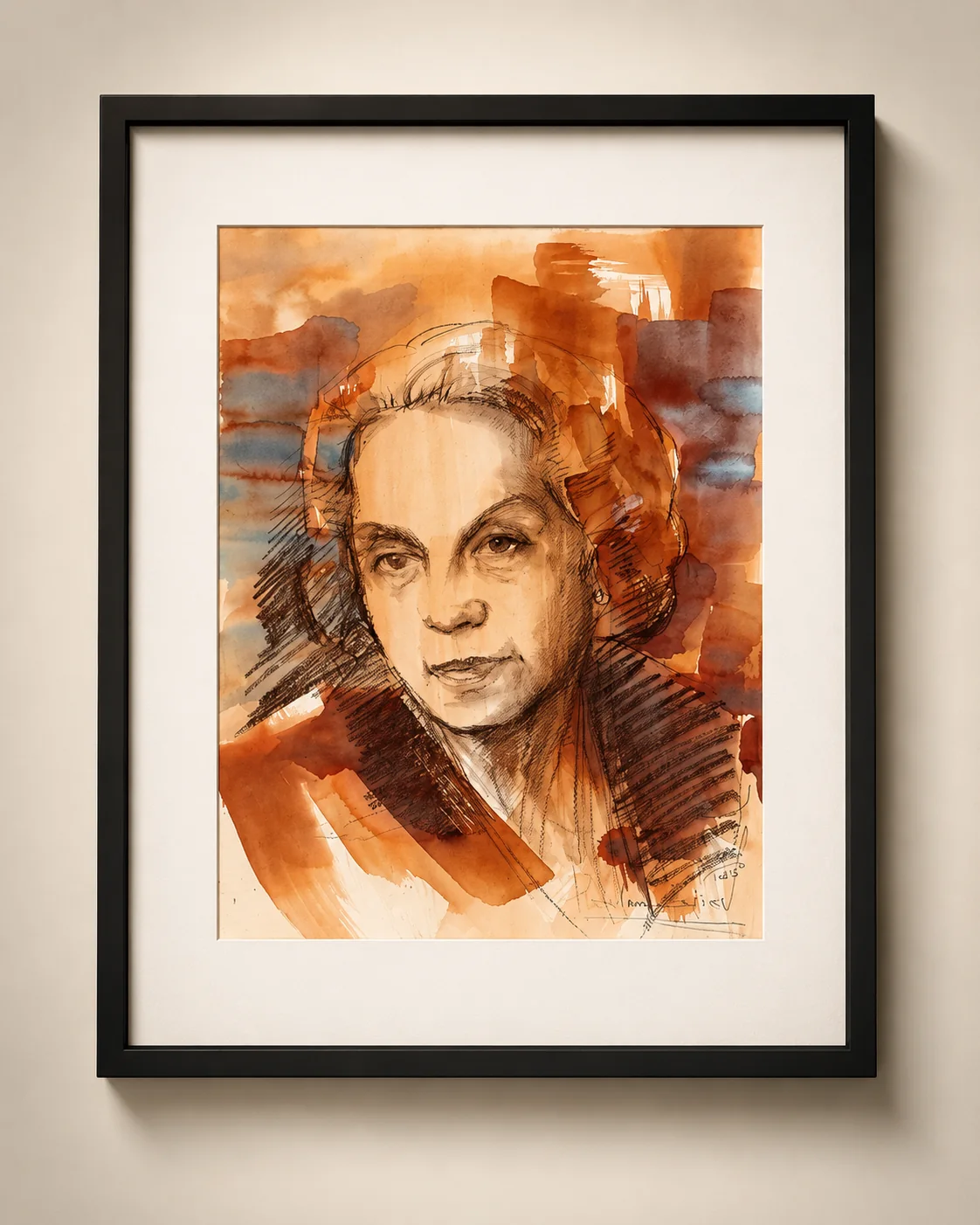
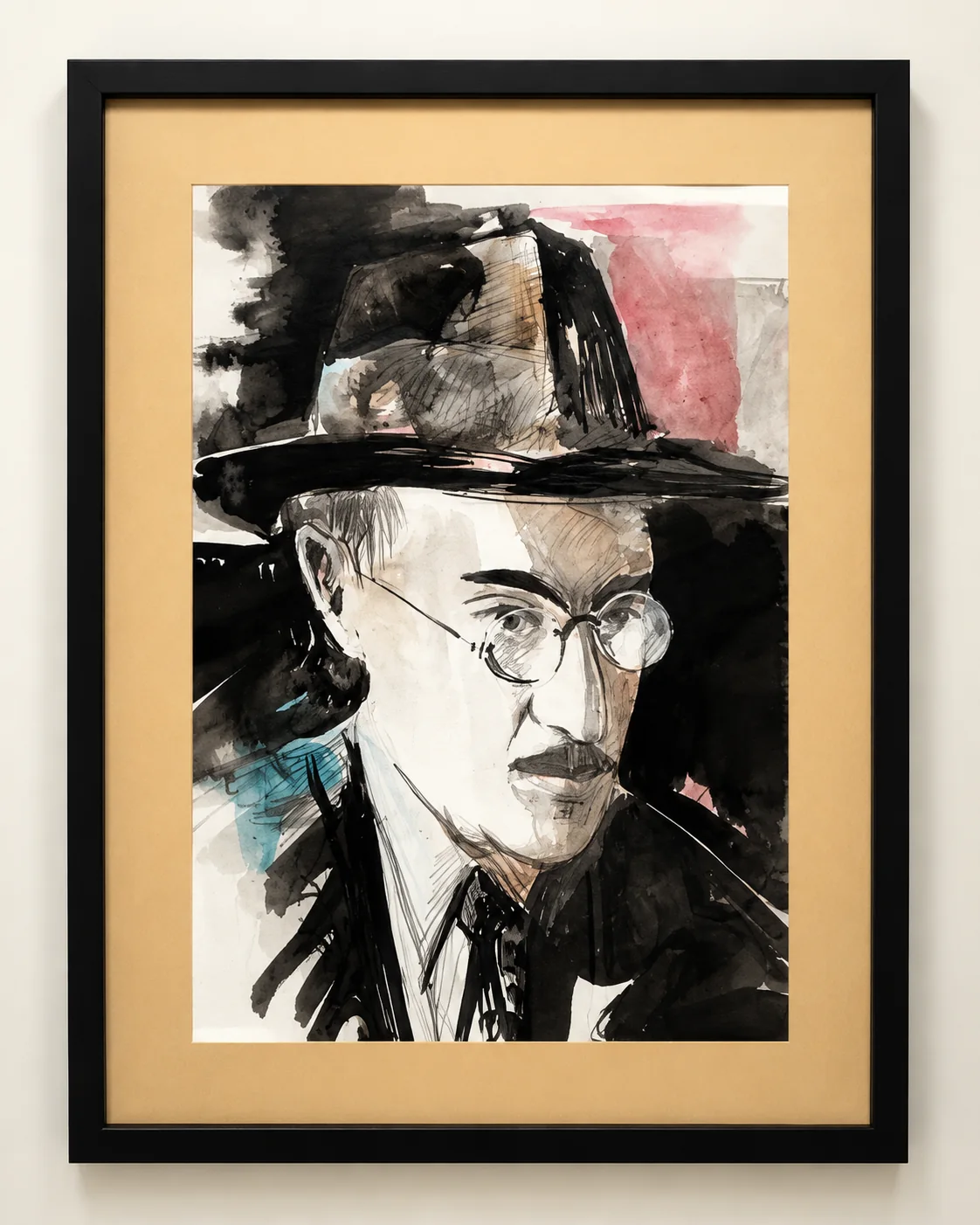
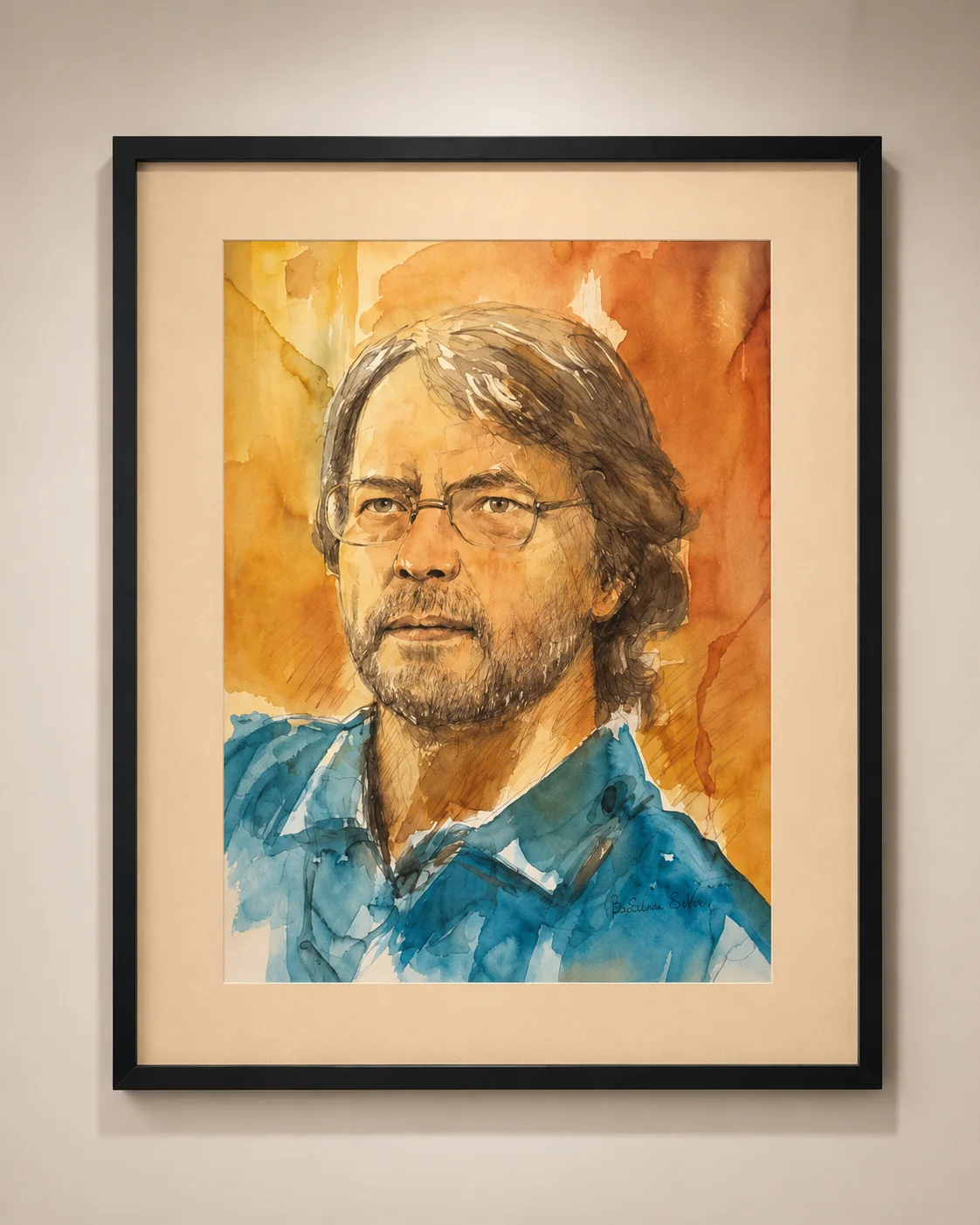
Botiev’s portraits feel immediate because the drawing never disappears. The ink, stain, and color keep the face close to the first gesture.

Coffee, wine, script, and memory on paper.

Botiev’s practice carries several lives at once: Soviet-era training, Oirat-Mongolian language and script, years of teaching, and the everyday materials of Lisbon.

Coffee and red wine.

Coffee and red wine are not decorative effects. They are Lisbon materials: domestic, bodily, temporary, and capable of turning paper into something aged, stained, and lived-in.
Script as image.

His background in philology appears through Old Mongolian script, where writing becomes gesture, signature, and visual rhythm.
Pessoa and the self.

Portuguese literary figures, especially Fernando Pessoa, open a space for portraits of fractured identity, memory, and displacement.
City and monument.

Lisbon streets, Catholic monuments, animals, and public works are filtered through a fast line shaped by academic training and calligraphic movement.

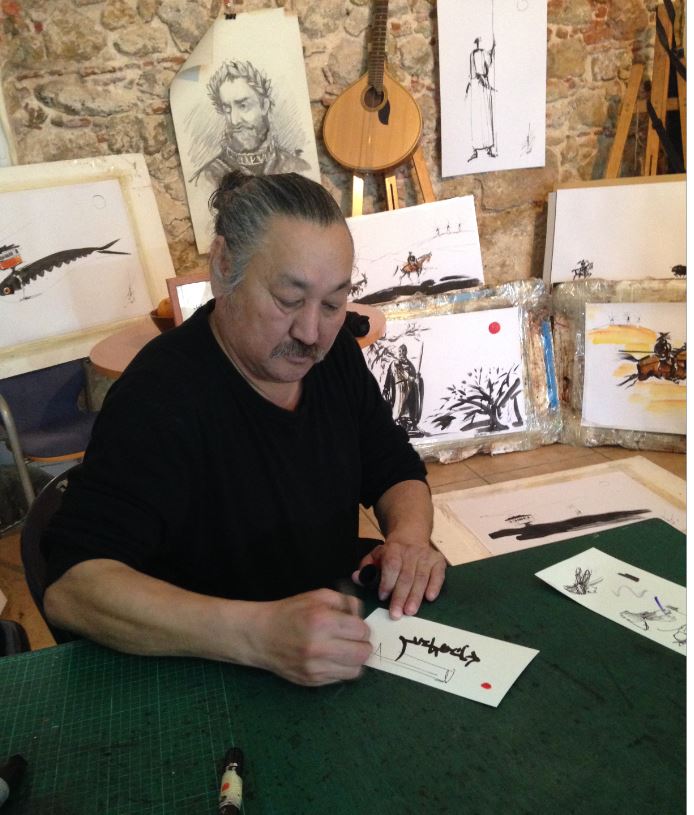
Rouslam Botiev working in his Alfama atelier
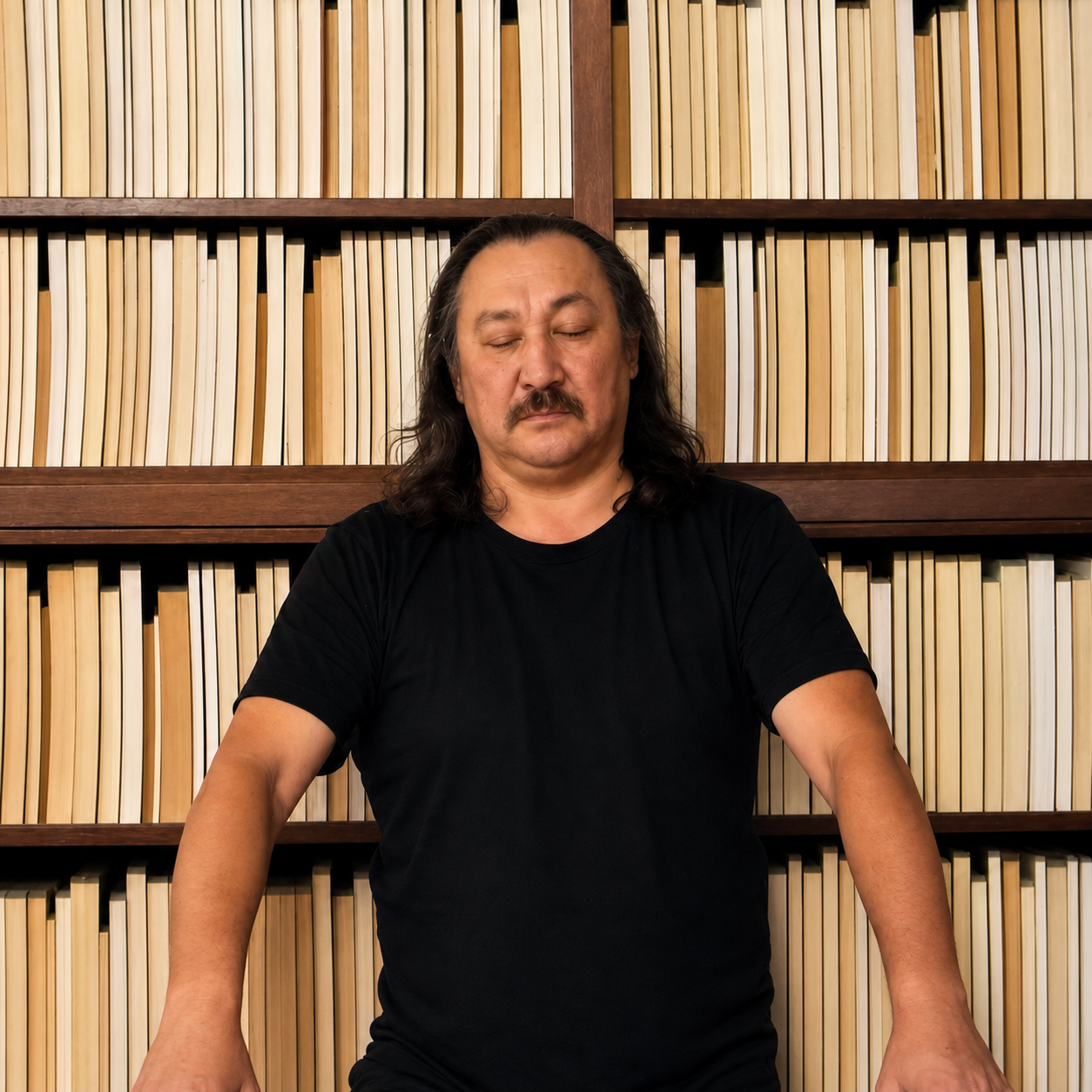
Rouslam Botiev seated in front of bookshelves

An Alfama atelier with the memory of an old pharmacy.

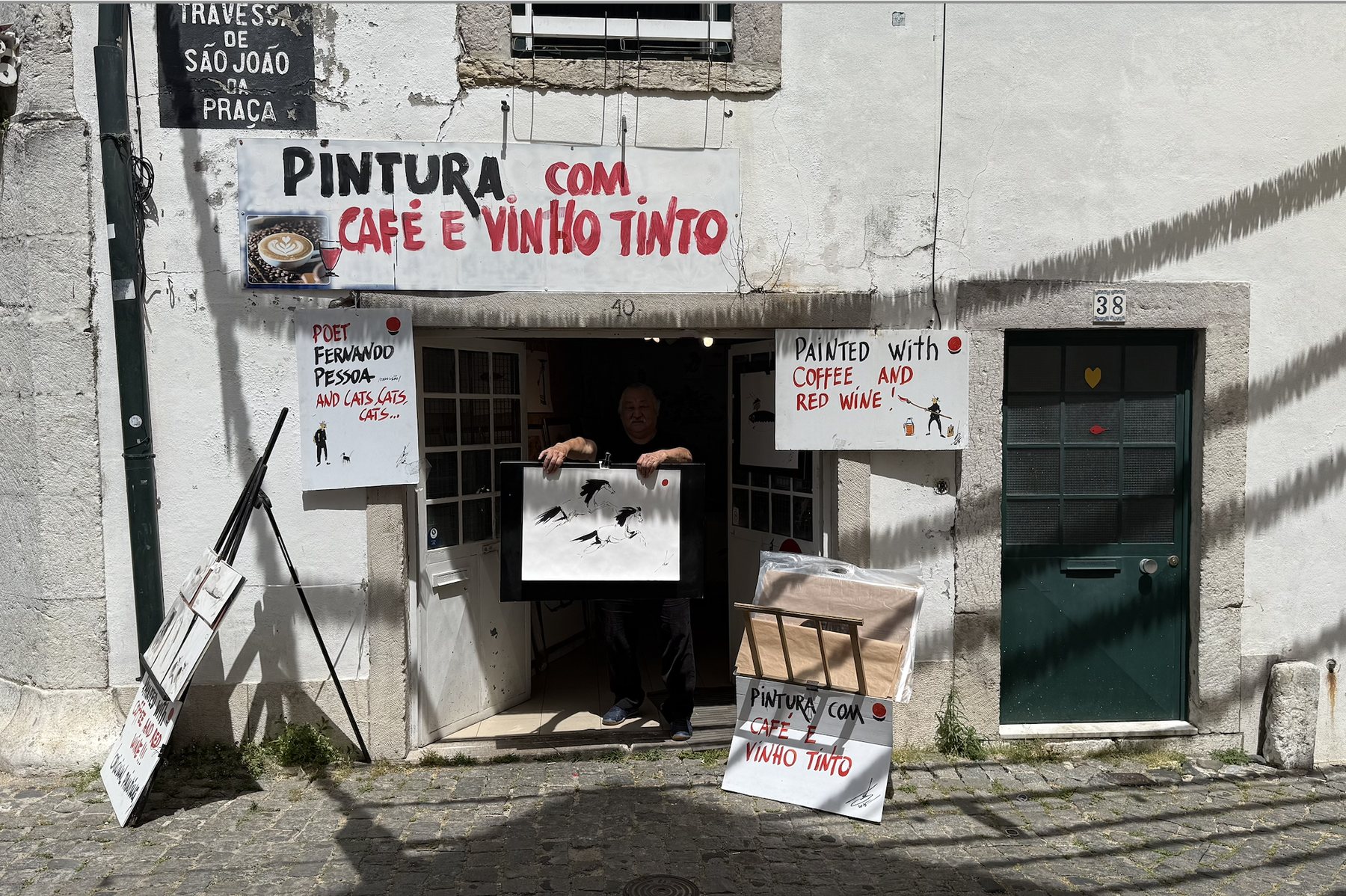
His working atelier on Travessa de São João da Praça carries the memory of the old Farmácia Nacional, now filled with drawings, paper, coffee, wine, and conversation.

The door stays close to the street. Visitors encounter quick portraits, names written in Mongolian script, coffee and wine entering the painting, and the work seen close to the hand that makes it.

Ink Figure, horse, portrait, movement.
Coffee Warmth, shadow, aged paper.
Wine Stain, ritual, deep red.

From early training to the streets of Alfama.

Botiev's life joins philology, Soviet-era art training, sculpture, teaching, Oirat-Mongolian heritage, and more than two decades of work in Lisbon.
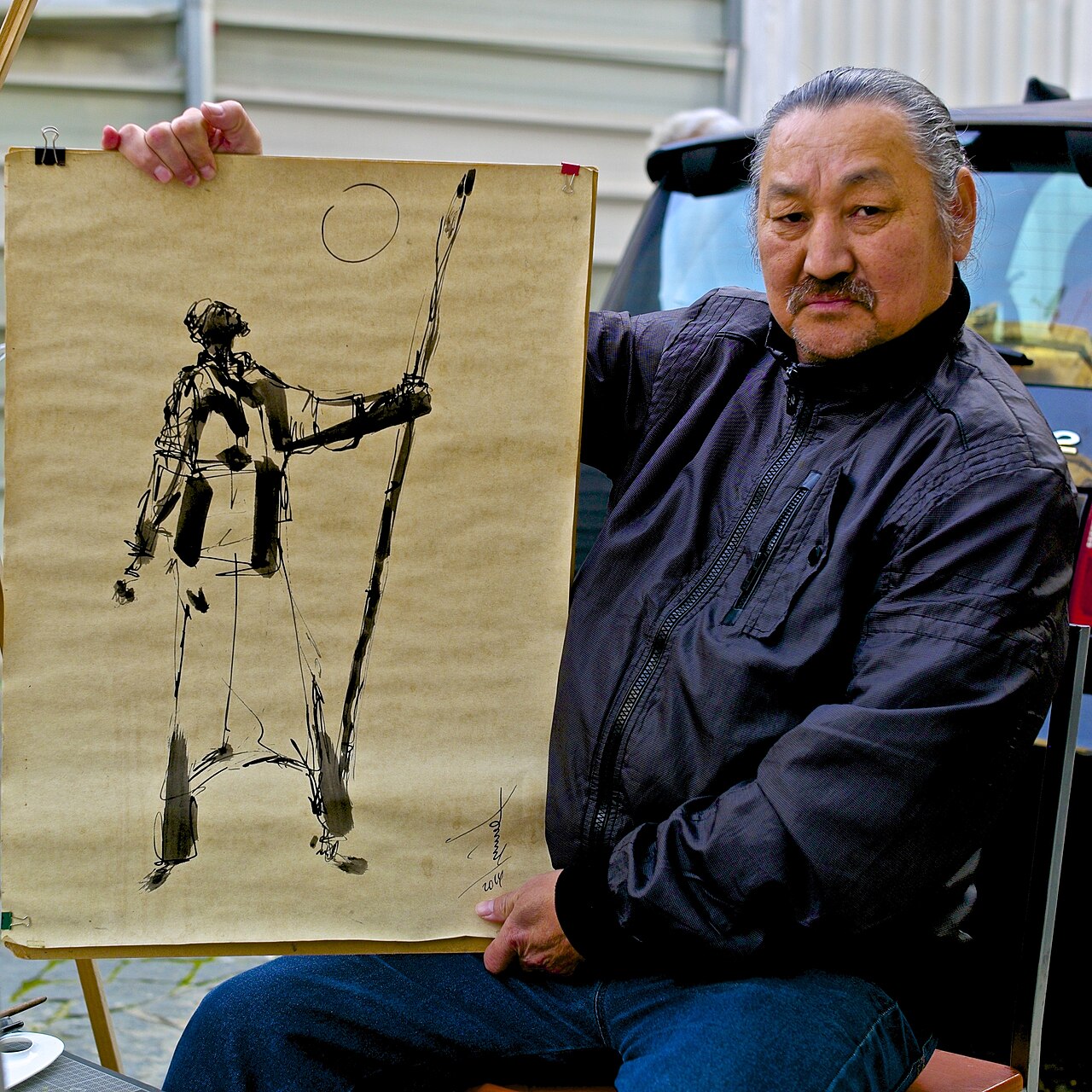
Portrait of Rouslam Botiev holding a drawing

Birth

Rouslam Botiev was born on May 5, 1963. He is Oirat-Mongolian.

Philology

He completed a Bachelor of Arts in philology, grounding his visual practice in language, script, and cultural memory.

Sculpture and painting

He studied sculpture and painting with the master Stepan Botiev, building the disciplined draftsmanship that remains visible in his fast portraits and architectural works.

University training

He continued advanced practice connected to the Universities of Rostov and St. Petersburg.

Lisbon

He moved to Lisbon in 2002 and established his permanent atelier in Alfama, where Mongolian memory and Portuguese subjects meet. In Portugal, he has continued teaching sculpture and painting while developing his own body of work.

From street display to institutional recognition.

Botiev's path in Portugal moves from informal public display in Lisbon to academic libraries, cultural centers, religious-history commissions, and institutional exhibition contexts.
Portrait of Rouslam Botiev holding a drawing
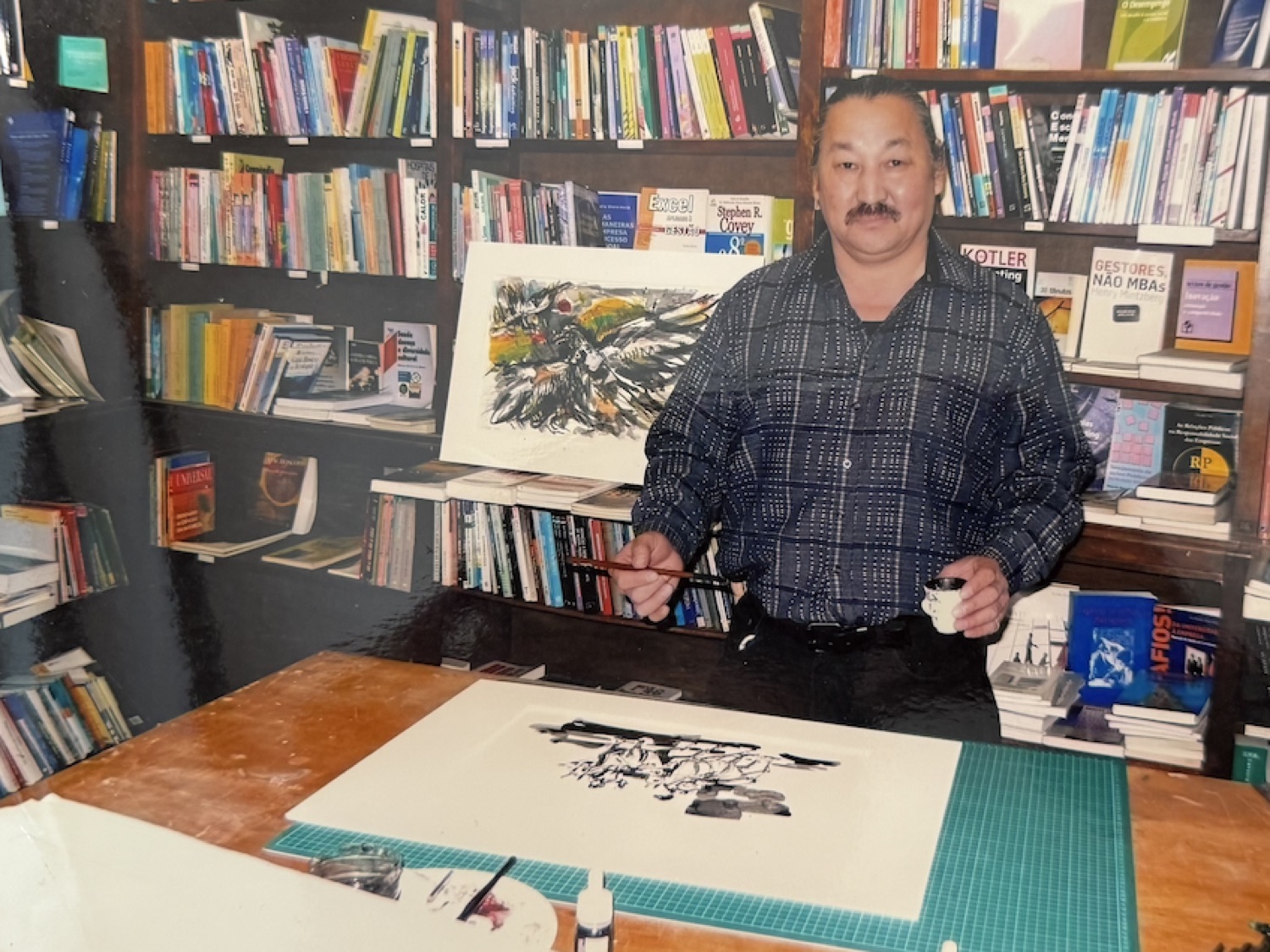
Rouslam Botiev painting in ink, brush and coffee cup in hand, among the bookshelves of a Lisbon bookshop
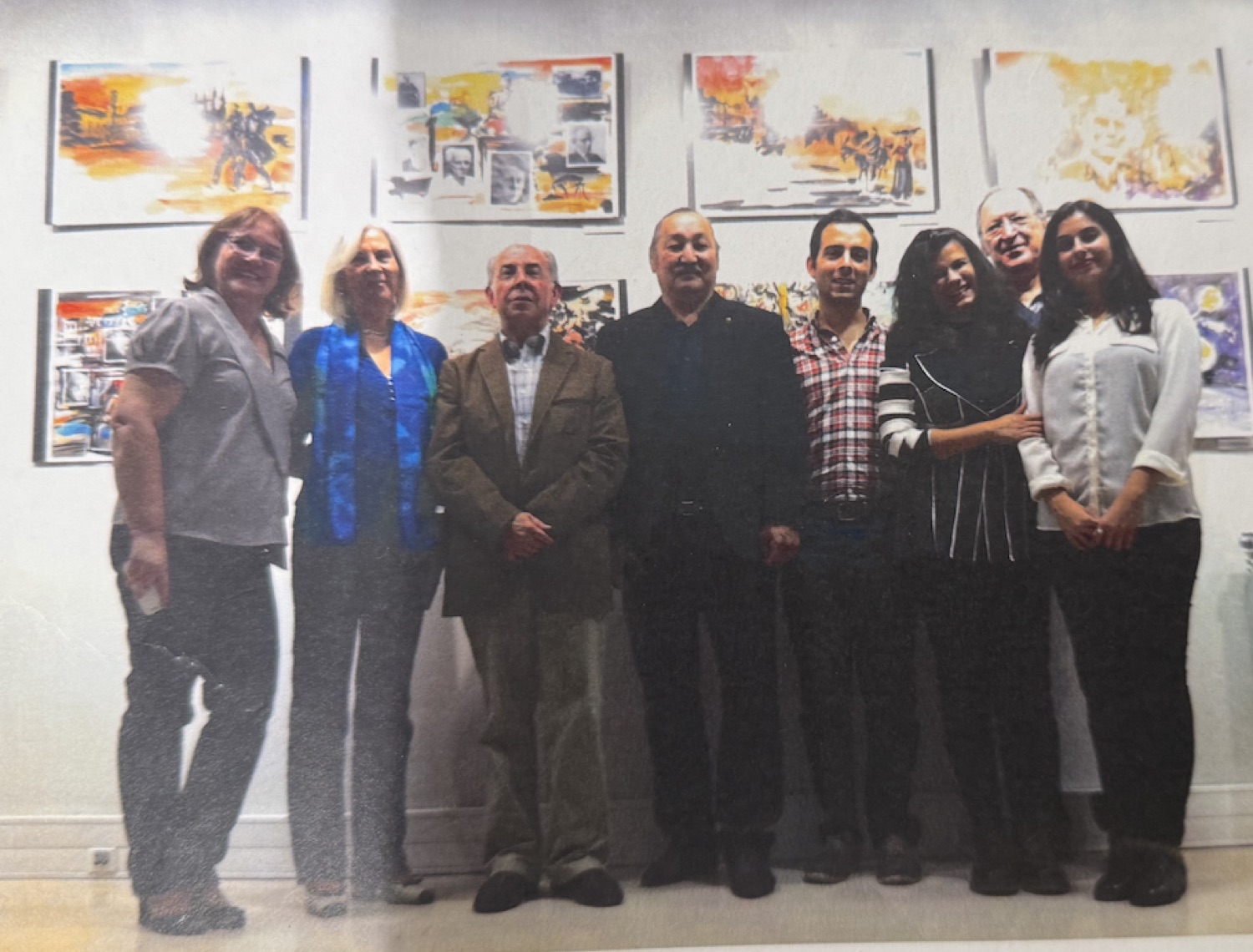
Rouslam Botiev with guests at an exhibition, standing before a wall of his watercolours

Selected Exhibitions

  • 2002 · Cascais, Jardim da Luz
    The Jangar Warriors and Buddhism. Watercolor.
  • 2004 · Lisbon
    Oriental Graphics. Indian ink.
  • 2004 · Murça
    “Santa Maria Maior” — a watercolor offered to the parish at Christmas.
  • 2005 · Lisbon
    Portugal, My Asian Gaze. Watercolor.
  • 2006 · Monte Estoril
    Portugal and Trás-os-Montes. Watercolor.
  • 2006 · Évora, Monsaraz and Arraiolos
    Portuguese culture of the Alentejo. Watercolor.
  • 2007 · Caneças
    Woman in the World. Watercolor.
  • 2007 · Verdizela, Foros da Amora, Setúbal
    Cultural landscape. Watercolor.
  • 2008 · Lisbon
    The Art of the Nomadic Peoples of Mongolia. Watercolor.
  • 2009 · Tomar, Murça, Valpaços, Sobredo, Boticas, Alijó, Douro, Noura, Jou and Vila Real
    Portuguese culture — the Knights Templar of Tomar and the villages of Trás-os-Montes and the Douro. Watercolor.
  • 2009 · Carcavelos, Abóboda, Estoril and Cascais
    The Atlantic and the life of its people. Watercolor.
  • 2010 · Library of the Faculty of Letters, University of Lisbon
    Man, Cosmos and Myths. Indian ink. Presented by Professor Vítor Serrão.
  • 2010 · Largo do Carmo, Lisbon (group show)
    Mongolia. Indian ink.
  • 2010 · Évora
    Watercolors on religious orders in Portugal.
  • 2010 · Calouste Gulbenkian Foundation
    Religious Orders and Congregations in Portugal — a commissioned watercolor series (2–4 November 2010).
  • 2010 · Porto, Braga and Guimarães
    Watercolors on the history and culture of northern Portugal.
  • 2011 · Cuba, Alentejo
    Regional exhibition in the Alentejo.
  • 2011 · Library of the Faculty of Letters, University of Lisbon
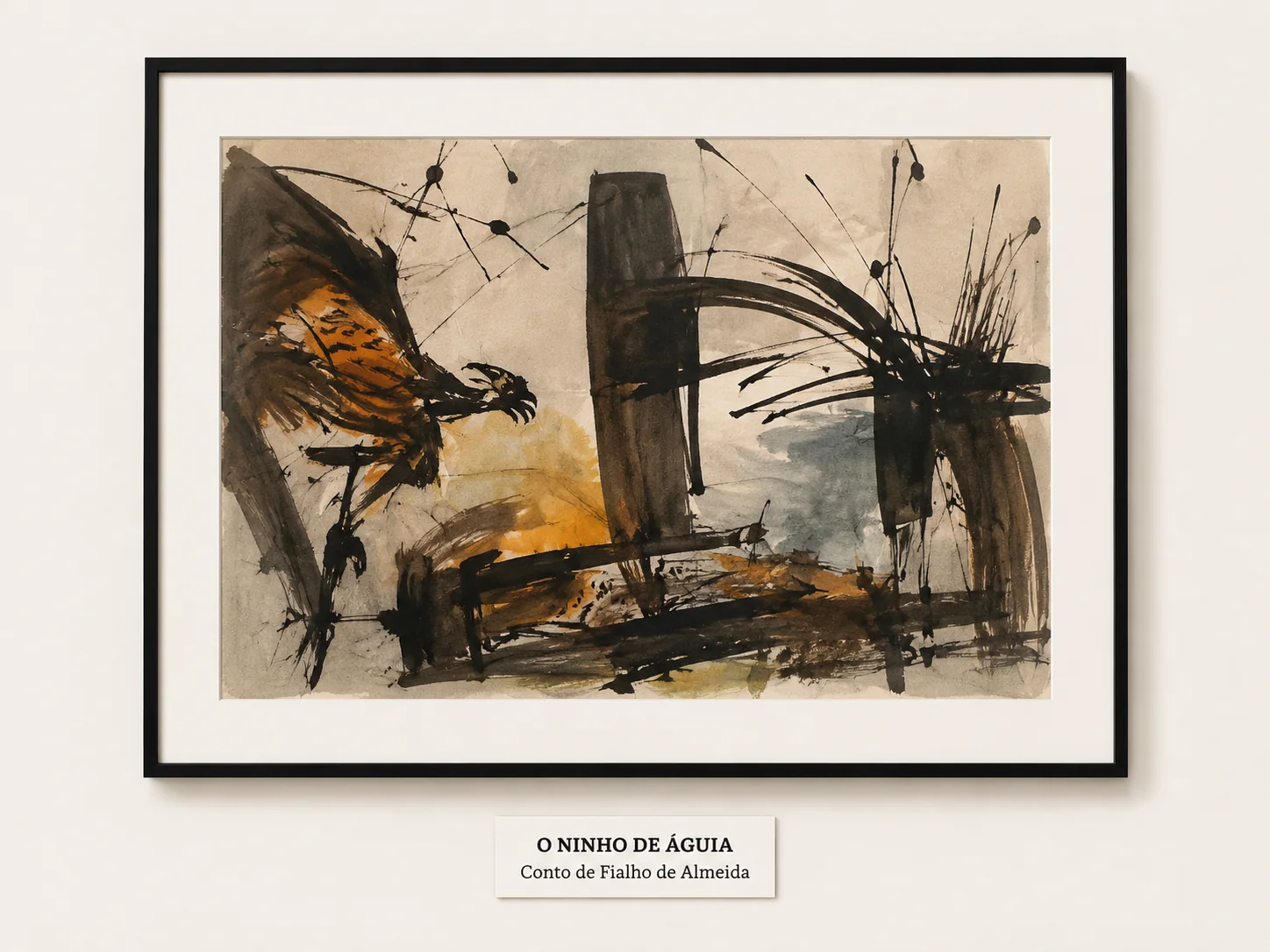
    In the Time of Fialho de Almeida.
  • 2012
    Approaches to Saint Anthony — “Aproximações a Santo António.”
  • 2014 · Pinhel
    Approaches to Saint Anthony — “Pinhel and the World.”
  • 2014 · Macedo de Cavaleiros, Chaves, Torre de Moncorvo and Bragança
    Portuguese culture of Trás-os-Montes. Watercolor.
  • 2015 · Faculty of Letters, University of Lisbon
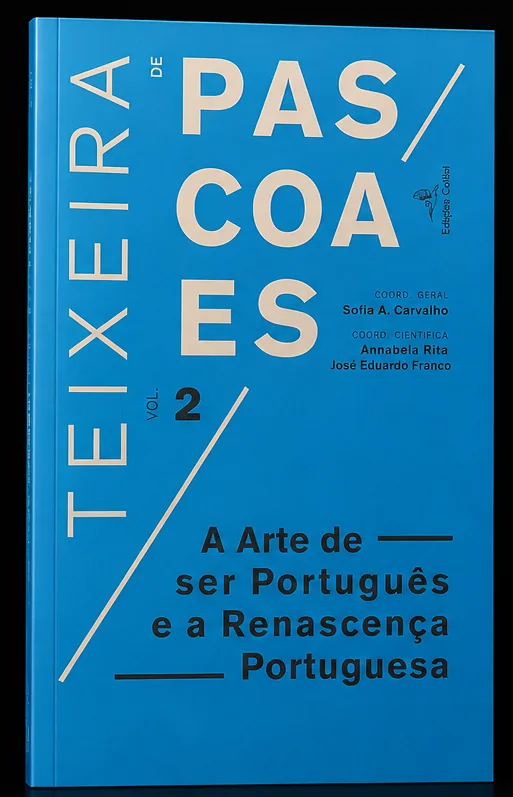
    The Art of Being Portuguese — Teixeira de Pascoaes.
  • 2015 · Faculty of Letters, University of Lisbon
    Approaches to Orpheu. Presented by the writer Miguel Real.
  • 2020 · Cacém
    Doctors Without Borders. Watercolor.

Exhibitions in Alfama

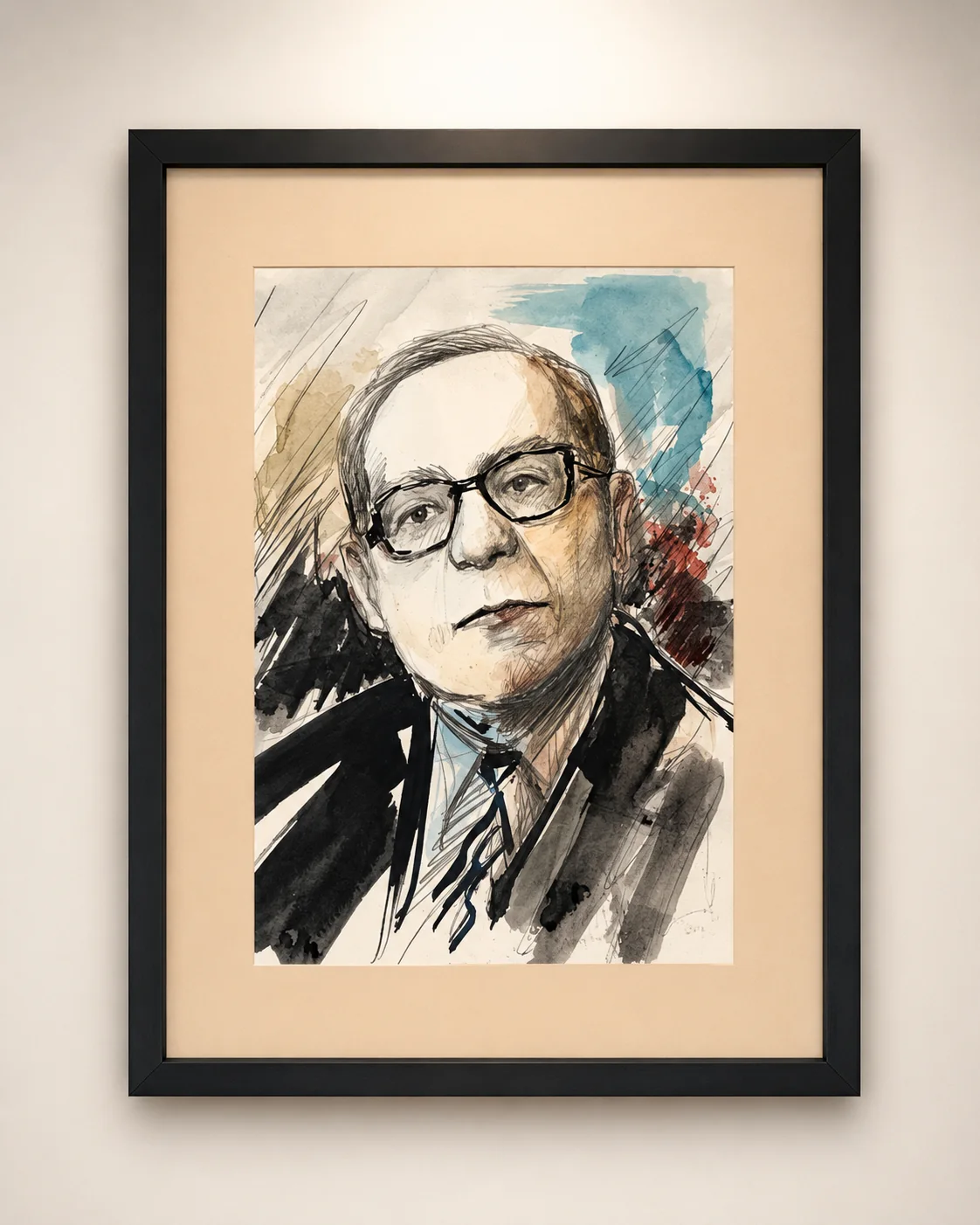
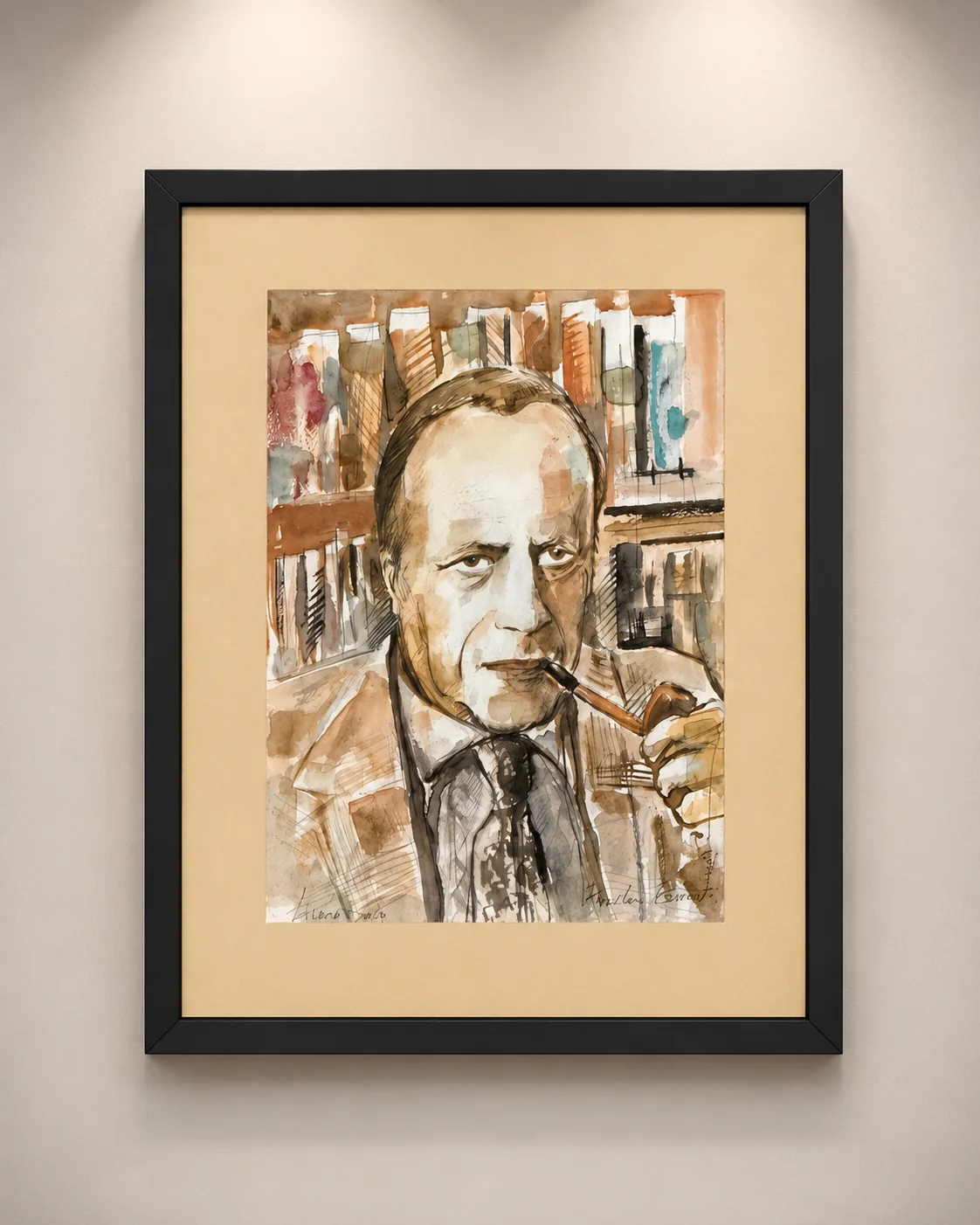
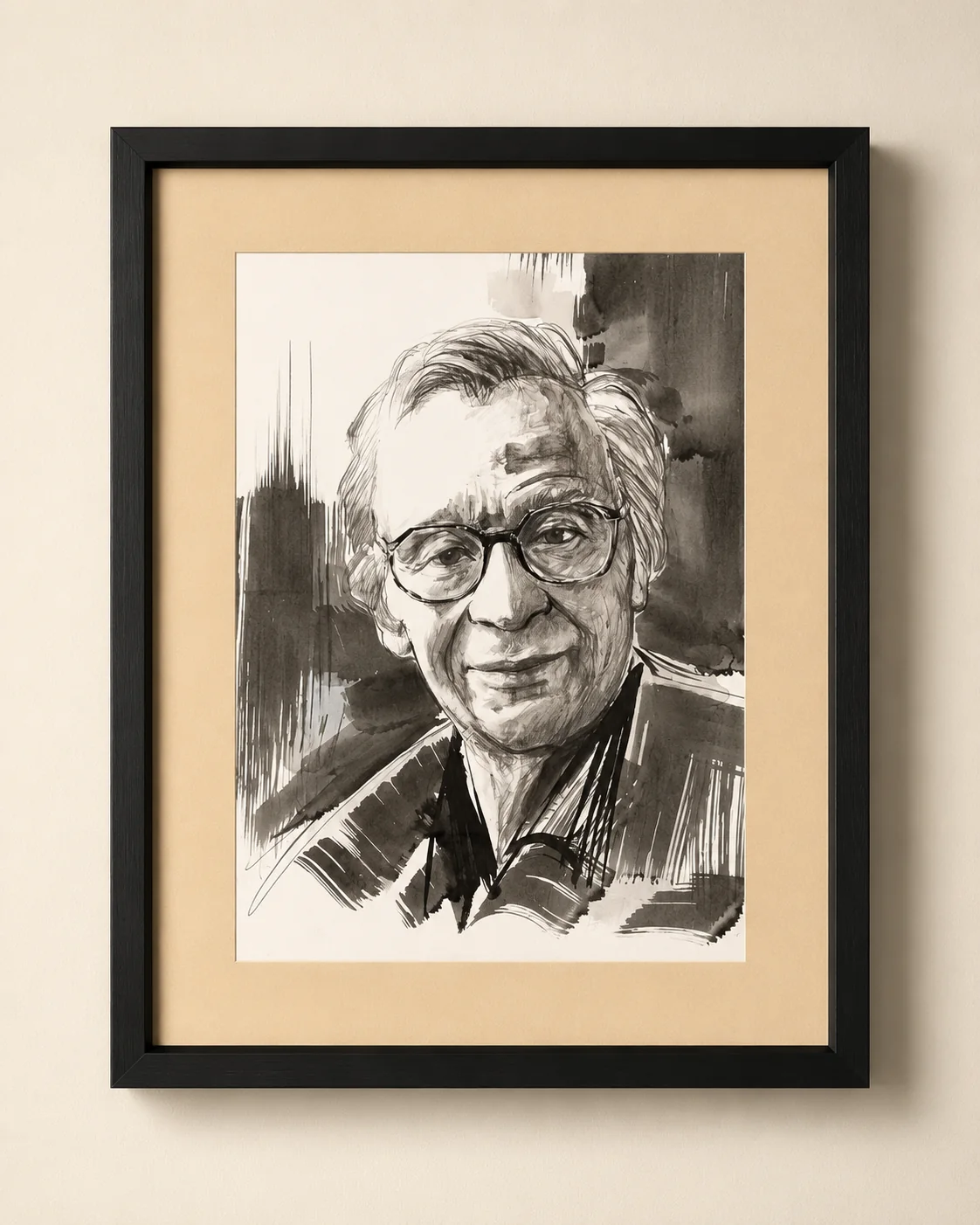
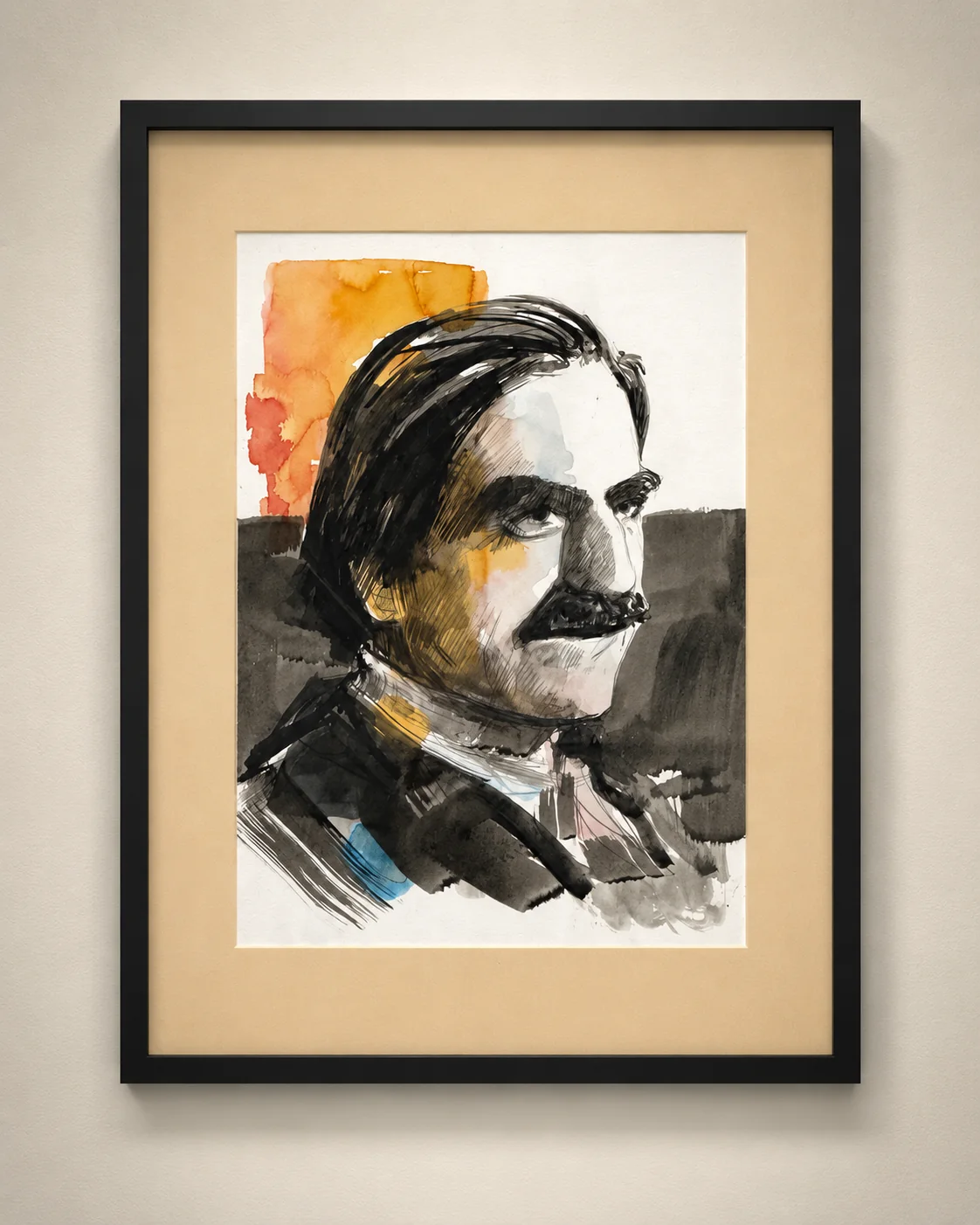
  • An ongoing series of ink portraits at the artist’s atelier in Alfama — Orientalists, Mongolists and Africanists.
  • 2023 · Alfama, Lisbon
    Nikolai Gumilyov — poet of the Silver Age, founder of Acmeism (1886–1921). Ink portraits.
  • 2024 · Alfama, Lisbon
    Władysław Kotwicz — Polish-Russian Orientalist and Mongolist (1872–1944). Ink portraits.
  • 2025 · Alfama, Lisbon
    Boris Vladimirtsov — Mongolist, academician of the USSR Academy of Sciences (1884–1931). Ink portraits.
  • 2026 · Alfama, Lisbon
    Aleksei Pozdneev — Mongolist, first director of the Oriental Institute (1851–1920). Ink portraits.

Around the World

  • 2013 · Geneva
    Gallery Tox & Co.
  • 2014 · Geneva
    “À l’envers du décor” — watercolors of Lisbon and Alfama.
  • 2022 · Brazil
    Amazônia — “Amazonias.”

Themes, Series & Projects

  • The Great Steppe.
  • The Great Silk Road.
  • The Nomadic Civilization of the Great Steppe.
  • Buddhist Temples.
  • Mysteries of the Ages.
  • Bumbin Oron — The Land of Bumba.
  • Khlebnikov’s Field.
  • Poetry, Music and Art.
  • The Nomad’s Cosmos.
  • Alfama and Fado.
  • Africa — the Mandinka and Fula peoples.
  • Father António de Andrade — Jesuit journeys to Tibet.
  • Scythians, Sarmatians, Sauromatians and Khazars.
  • Siberia and the Altai.
  • Palácio da Independência, Lisbon
    Approaches to Fernando Pessoa, Cervantes and Shakespeare.
  • Museu da República, Lisbon
    The Diplomatic Bazaar — Lisbon Congress Centre.
  • Teatro Baraca
    The Girl Who Won — “Malala.”
  • Calçada Portuguesa
    Ornament across cultures — Greek, Portuguese and Mongol motifs.

Literary Portraits & Tributes

  • 2015 · Persian poets
    Ferdowsi, Nezami, Navai, Khayyam and Attar.
  • 2016 · Russian writers
    Tolstoy, Pushkin, Dostoevsky, Akhmatova and Khlebnikov.
  • 2017 · Portuguese & Lusophone
    Fernando Pessoa (Ode Triunfal, Mar Português), Sophia de Mello Breyner Andresen, Urbano Tavares Rodrigues and Dorival Caymmi.
  • 2018 · Steppe epic
    Jangar and the hero Hongor.
  • 2019 · Greek epic
    Homer — The Odyssey.

Sculpture and Commissioned Work

  • Portugal religious orders
    A commissioned series of 20 watercolors on Catholic orders, monuments, and historical memory.
  • 2002 · Murça, private garden
    The Sow with Raised Head.
  • 2003 · Murça, Parish Church
    Our Lady.
  • 2003 · Murça, private garden
    The Ram.

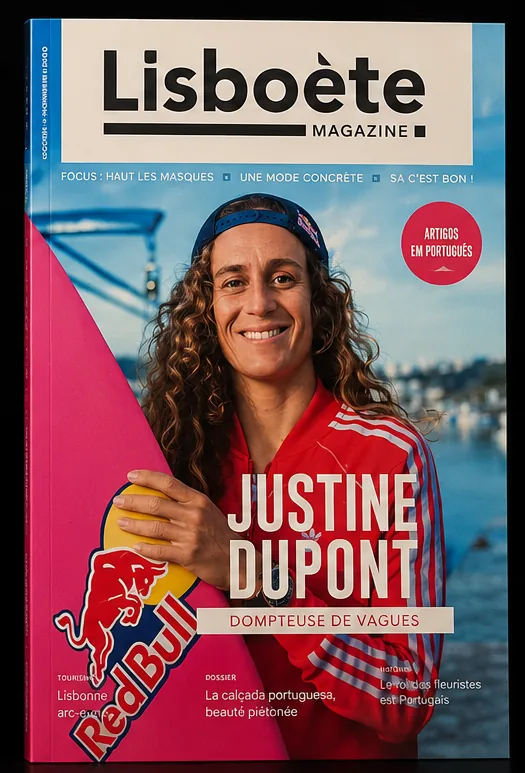
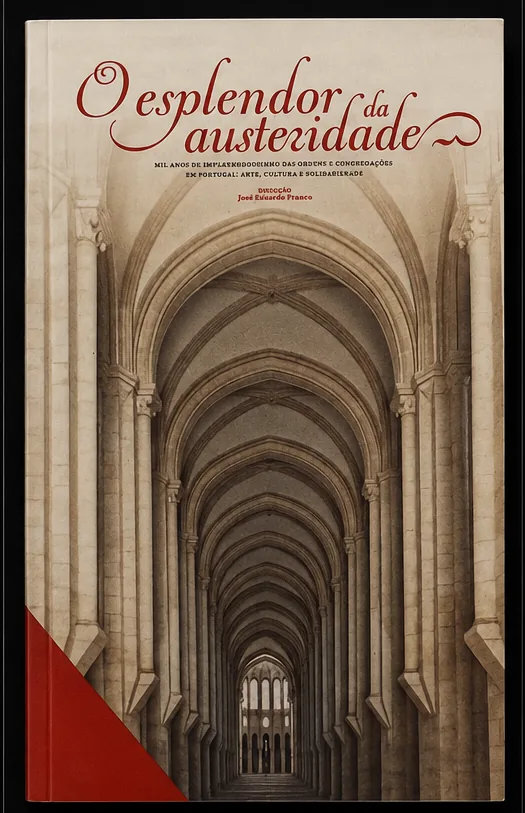
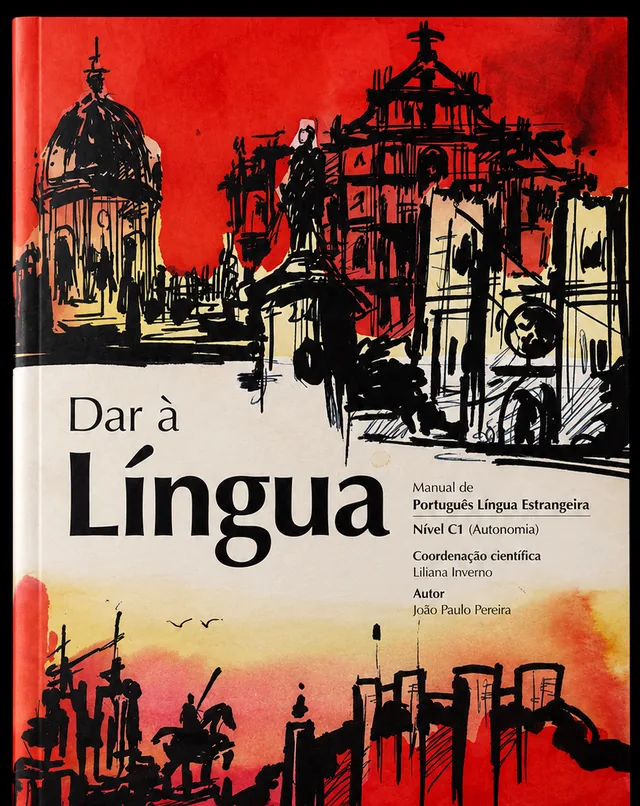
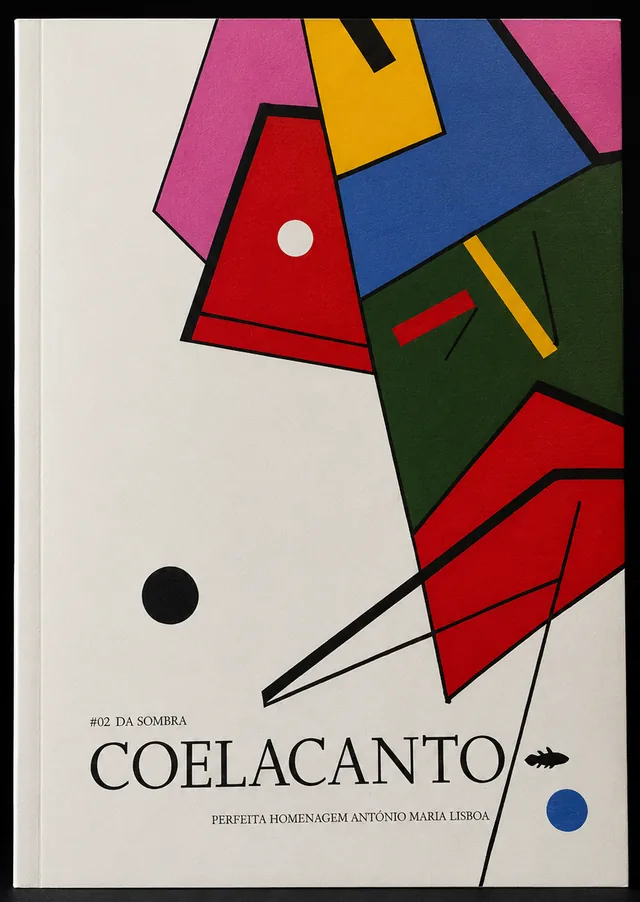
Paintings that became book and journal covers.

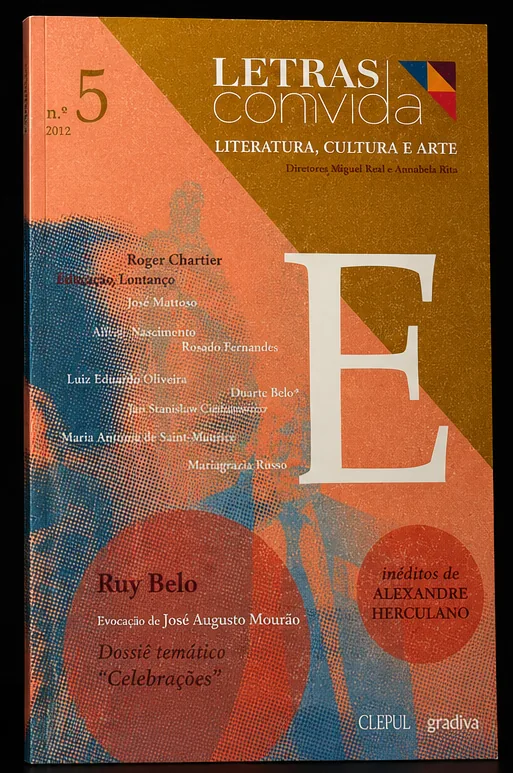
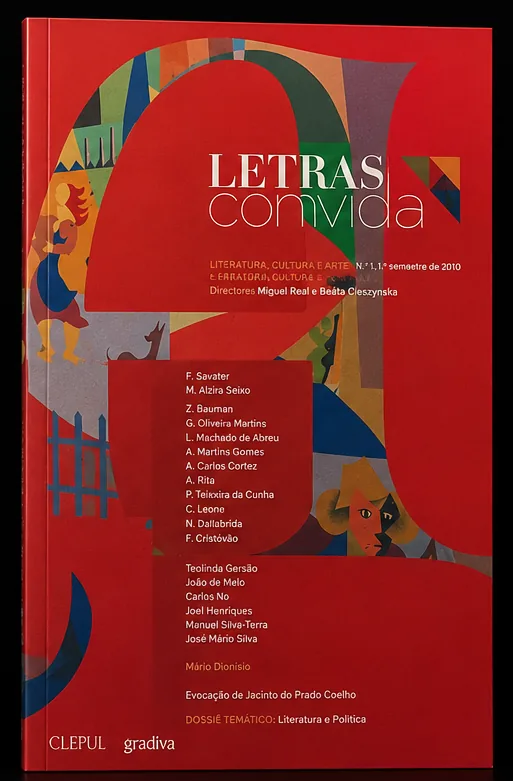
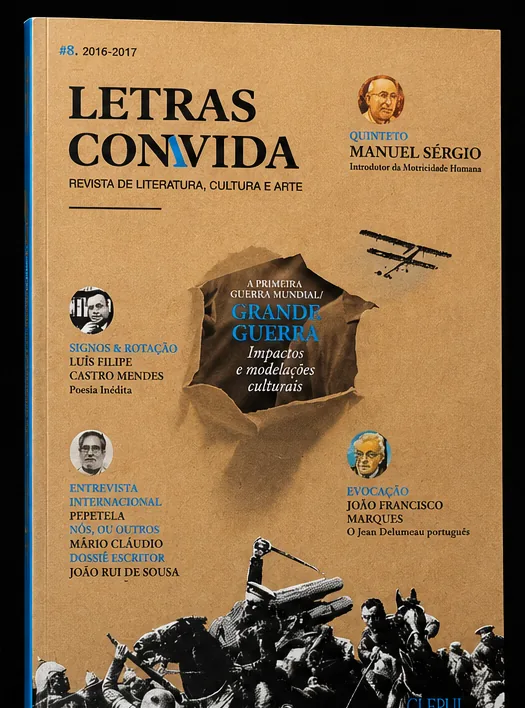
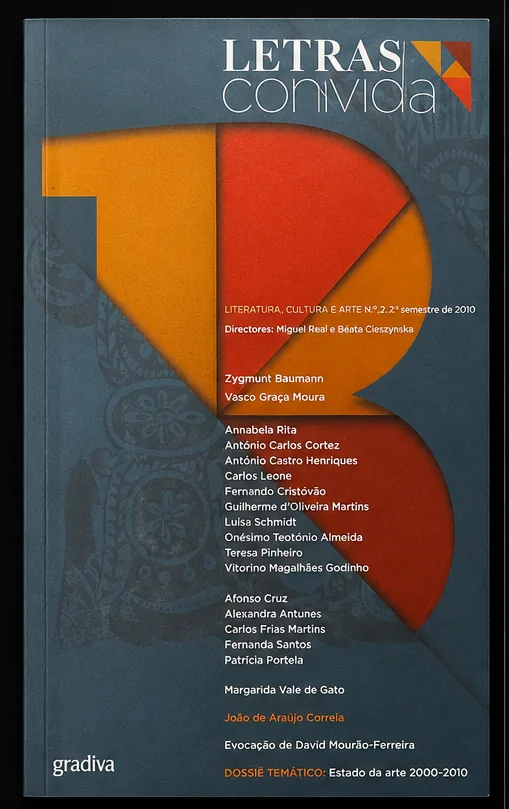
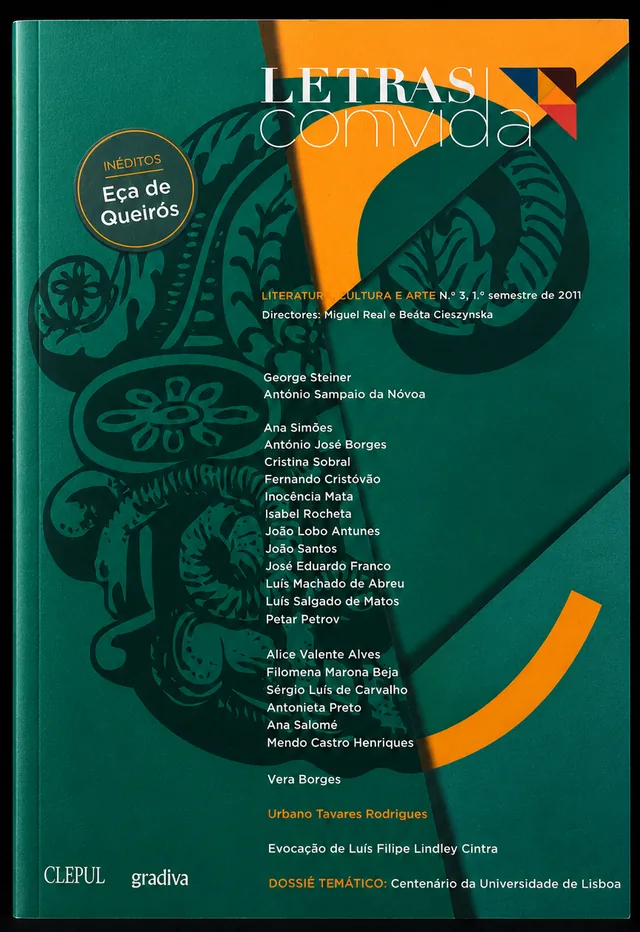
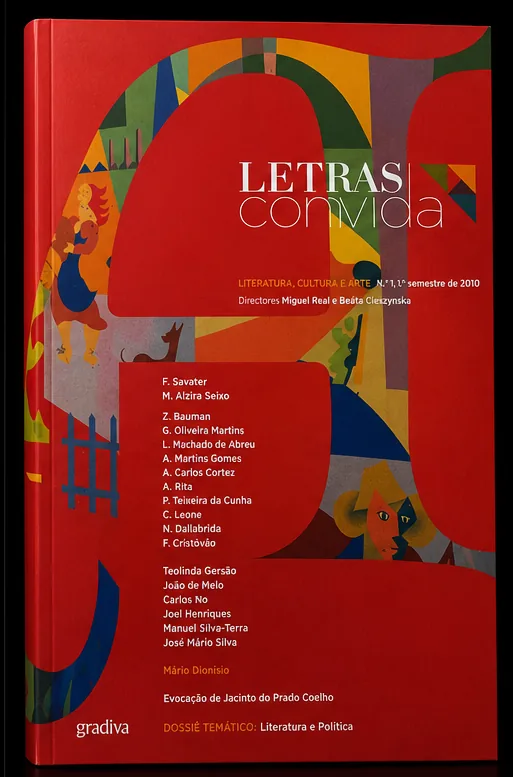
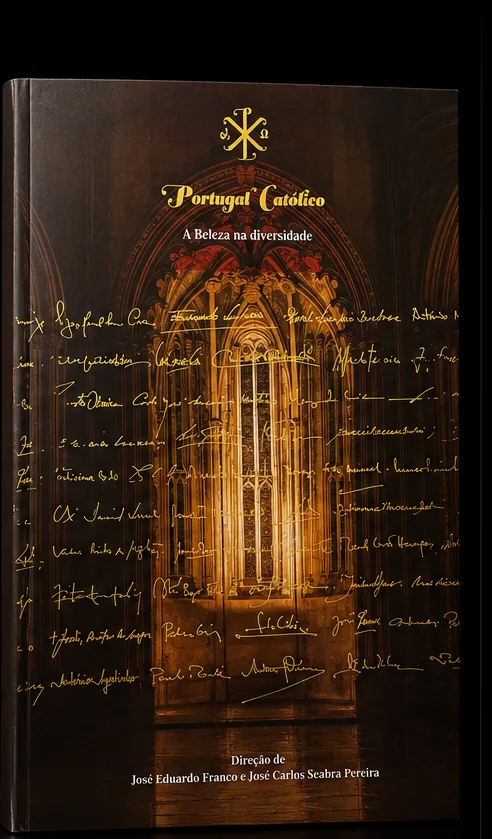
Beyond the atelier walls, Botiev’s paintings have been chosen to carry the covers of Portuguese books, catalogues, and literary journals — his ink, coffee, and watercolor work meeting the printed page.
Letras ComVida

For the literary review Letras ComVida, Botiev’s paintings have returned across many issues — a recurring cover signature for the journal’s essays on literature, politics, and Portuguese culture.
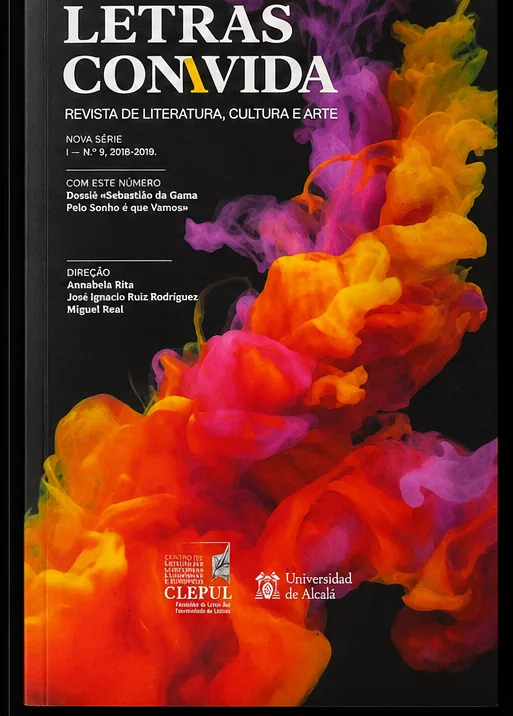
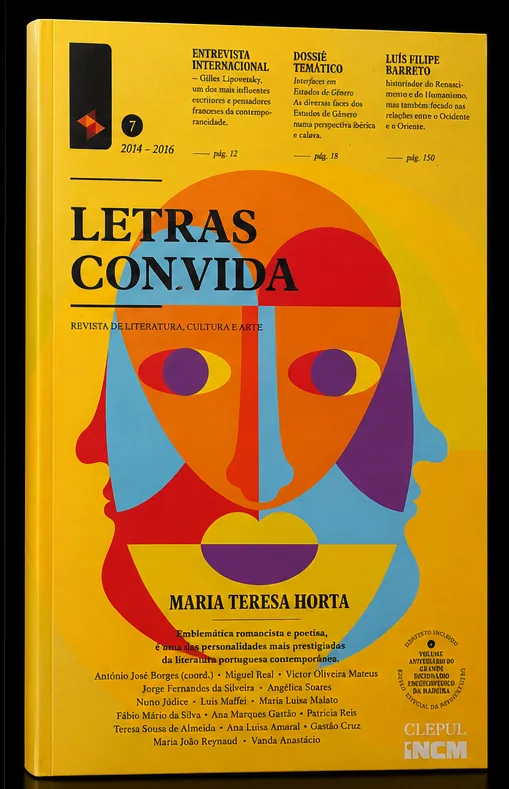
Letras ComVida literary review cover with a painting by Rouslam Botiev
Letras ComVida cover, Literature and Politics 2010, with a painting by Rouslam Botiev
Letras ComVida literary review cover with a painting by Rouslam Botiev
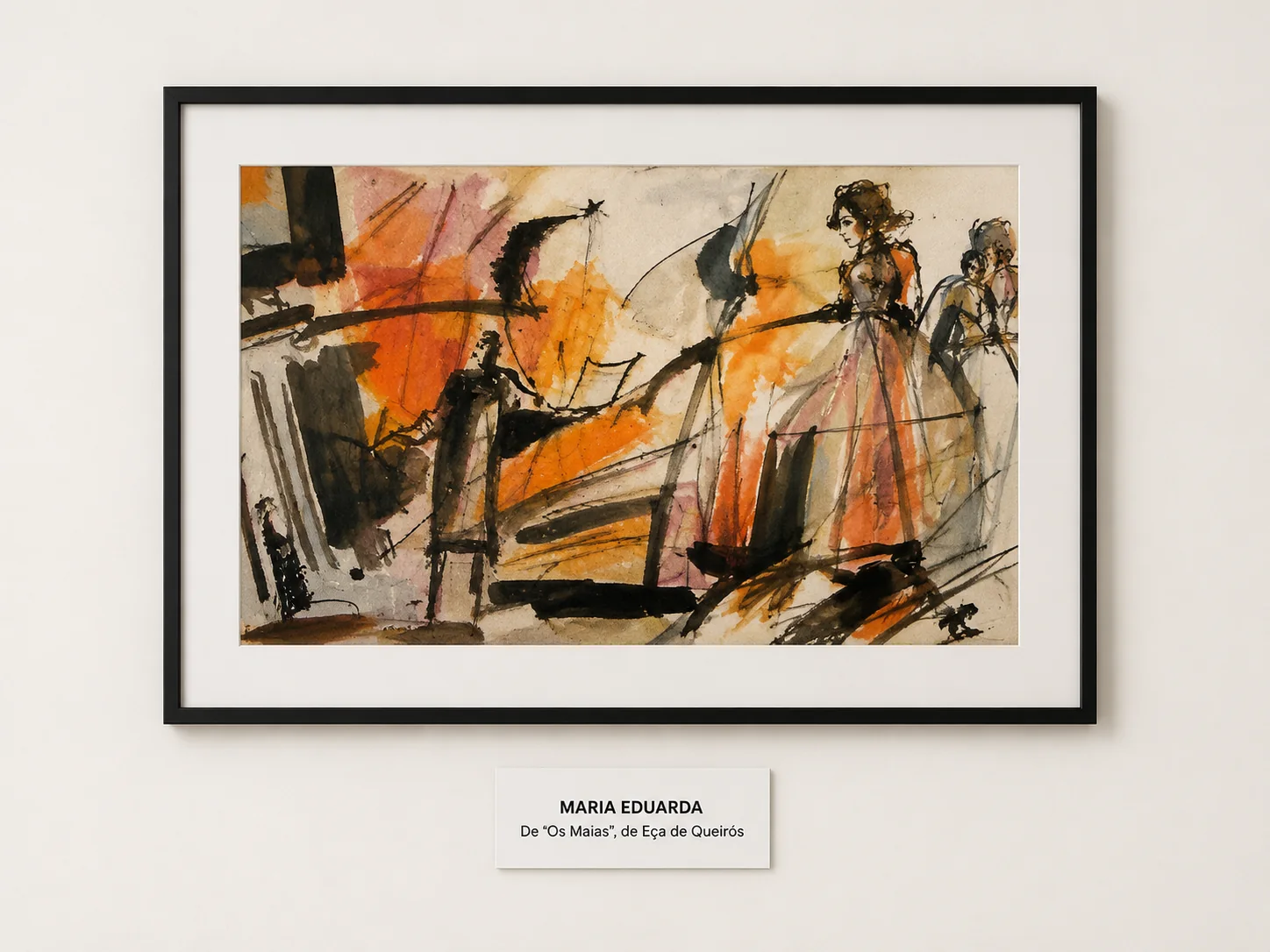
Letras ComVida cover, Eça de Queiroz centenary, with a painting by Rouslam Botiev
Letras ComVida literary review cover with a painting by Rouslam Botiev
Rouslam Botiev shopfront and atelier entrance in Alfama

Visit Botiev’s atelier in Alfama.

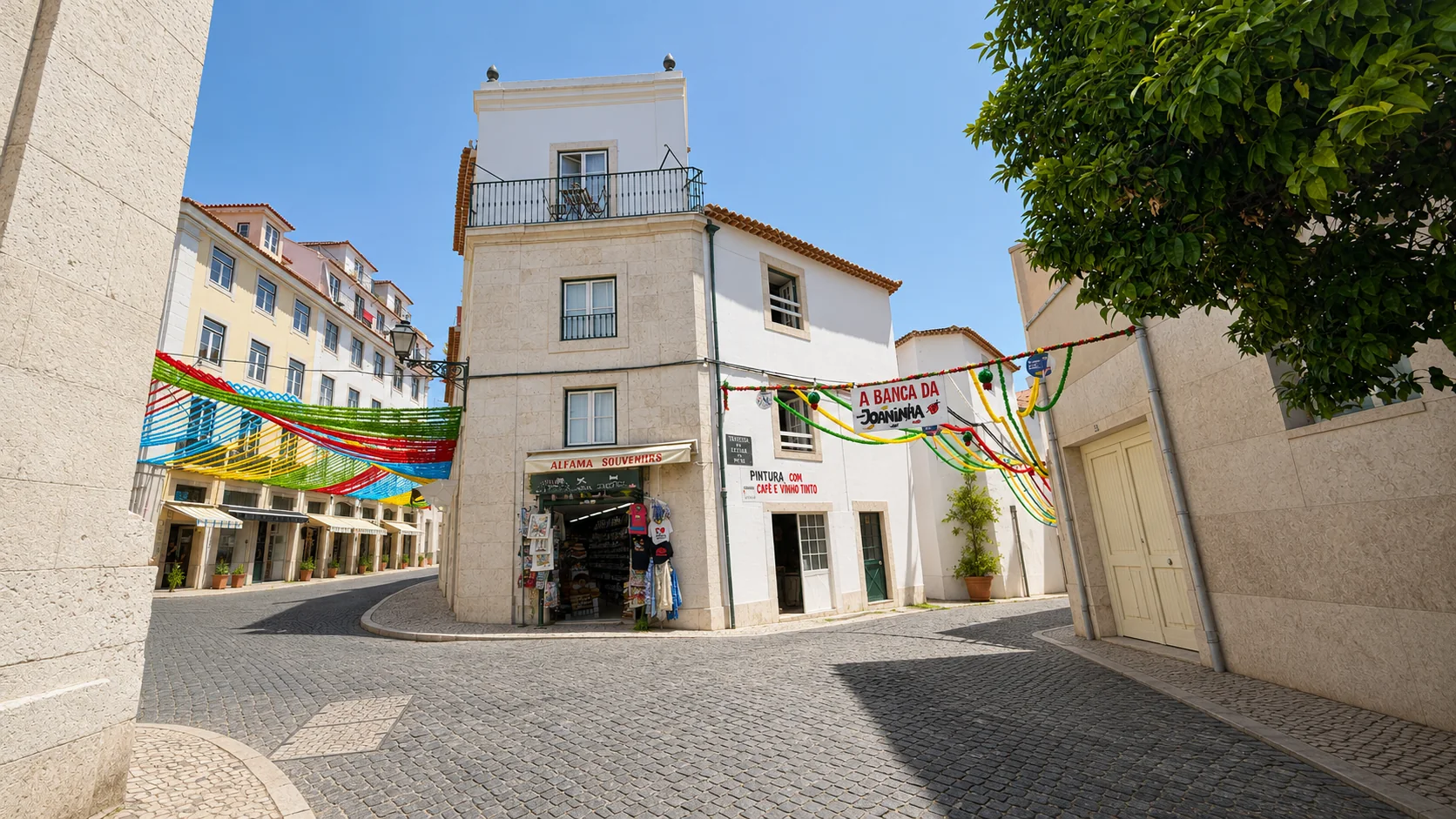
Moved a few meters. The atelier that used to be in the former Farmácia Nacional is now at this nearby location. If you visited the old shop before, use this address and map.
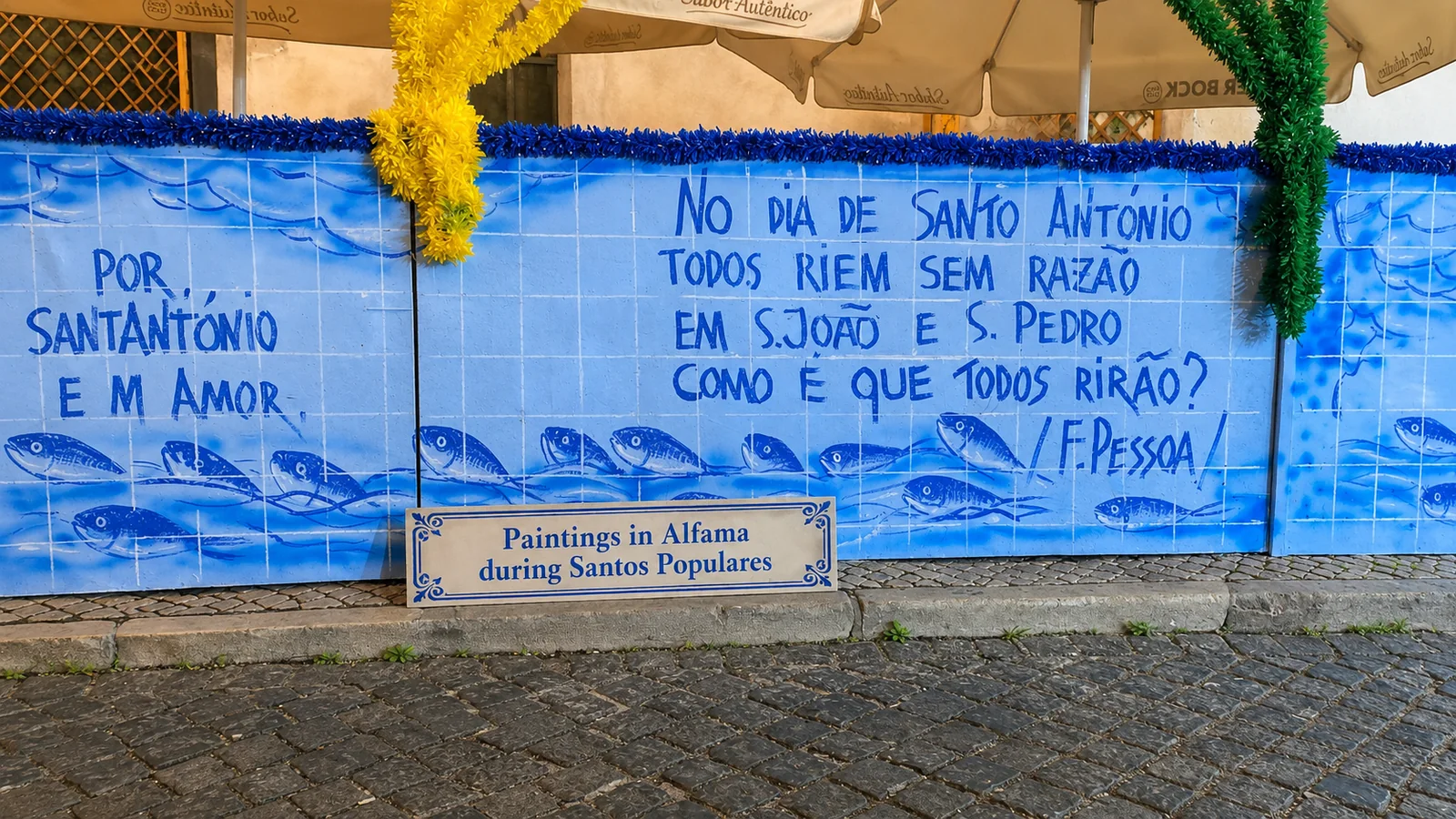
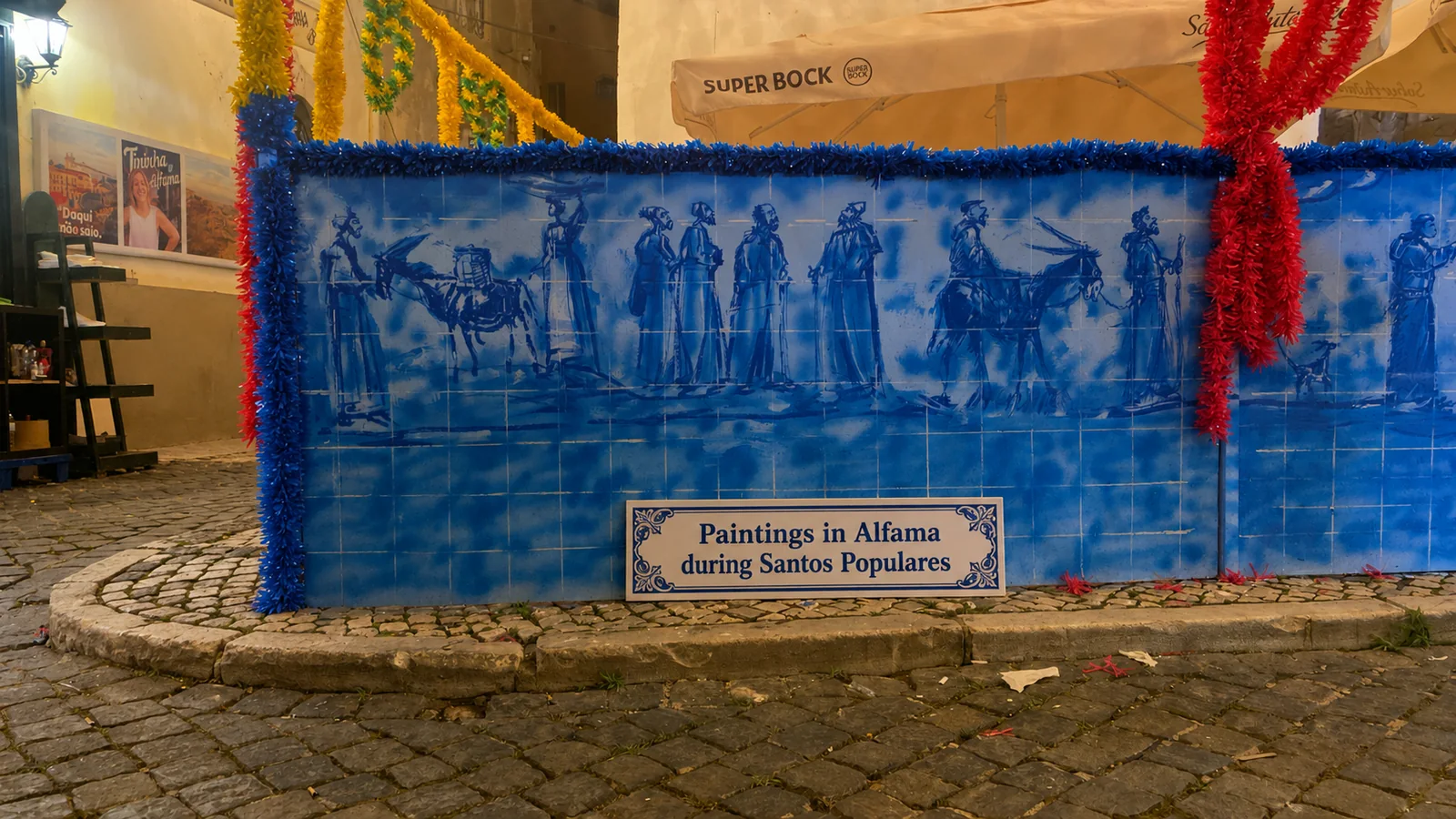
Neighborhood Alfama, near Clube de Fado.
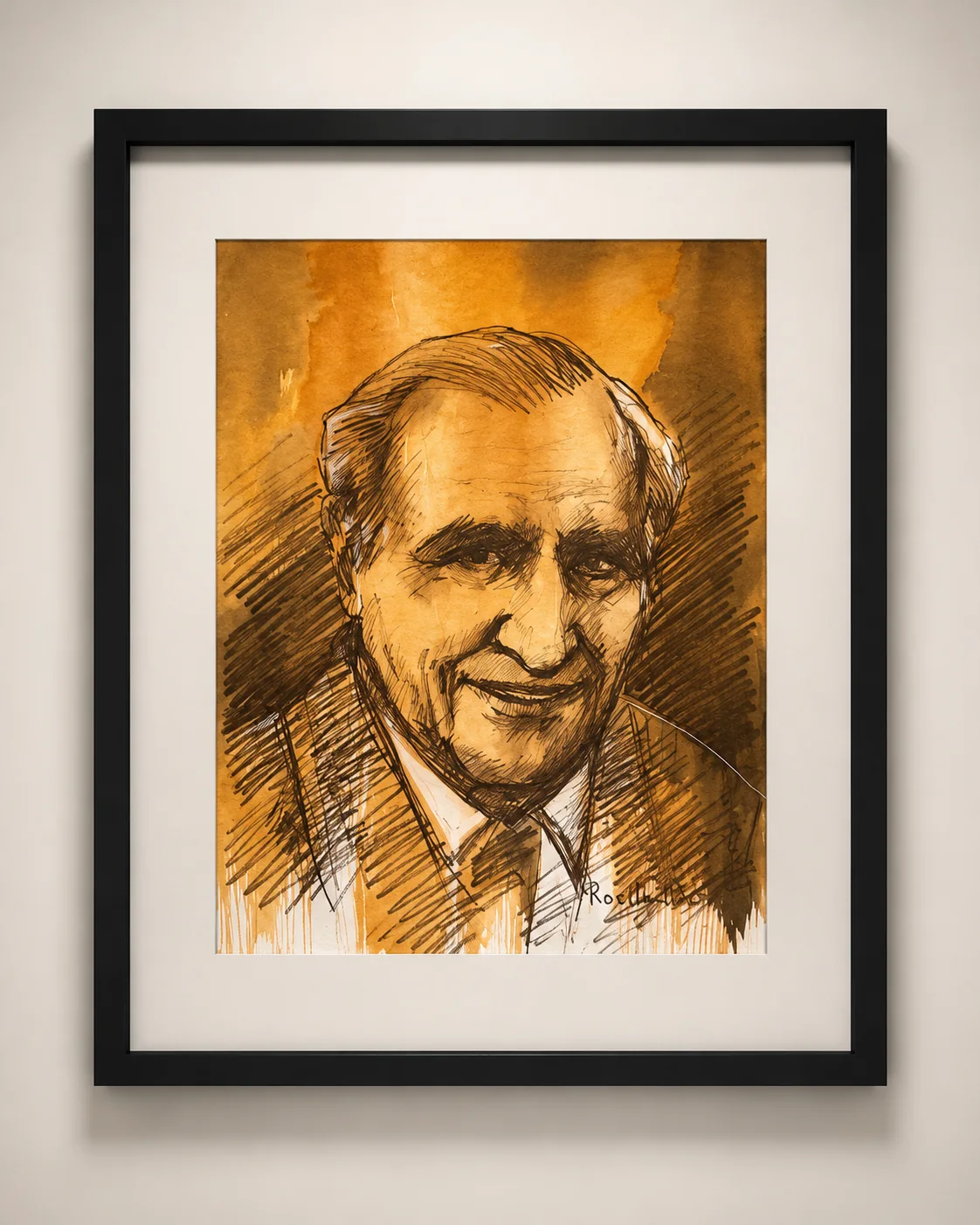
Works Paper, ink, coffee, red wine, portraits, mythic figures, and monument studies.
Atelier His working space on Travessa de São João da Praça carries the memory of the old Farmácia Nacional, now filled with drawings, paper, coffee, wine, and conversation.