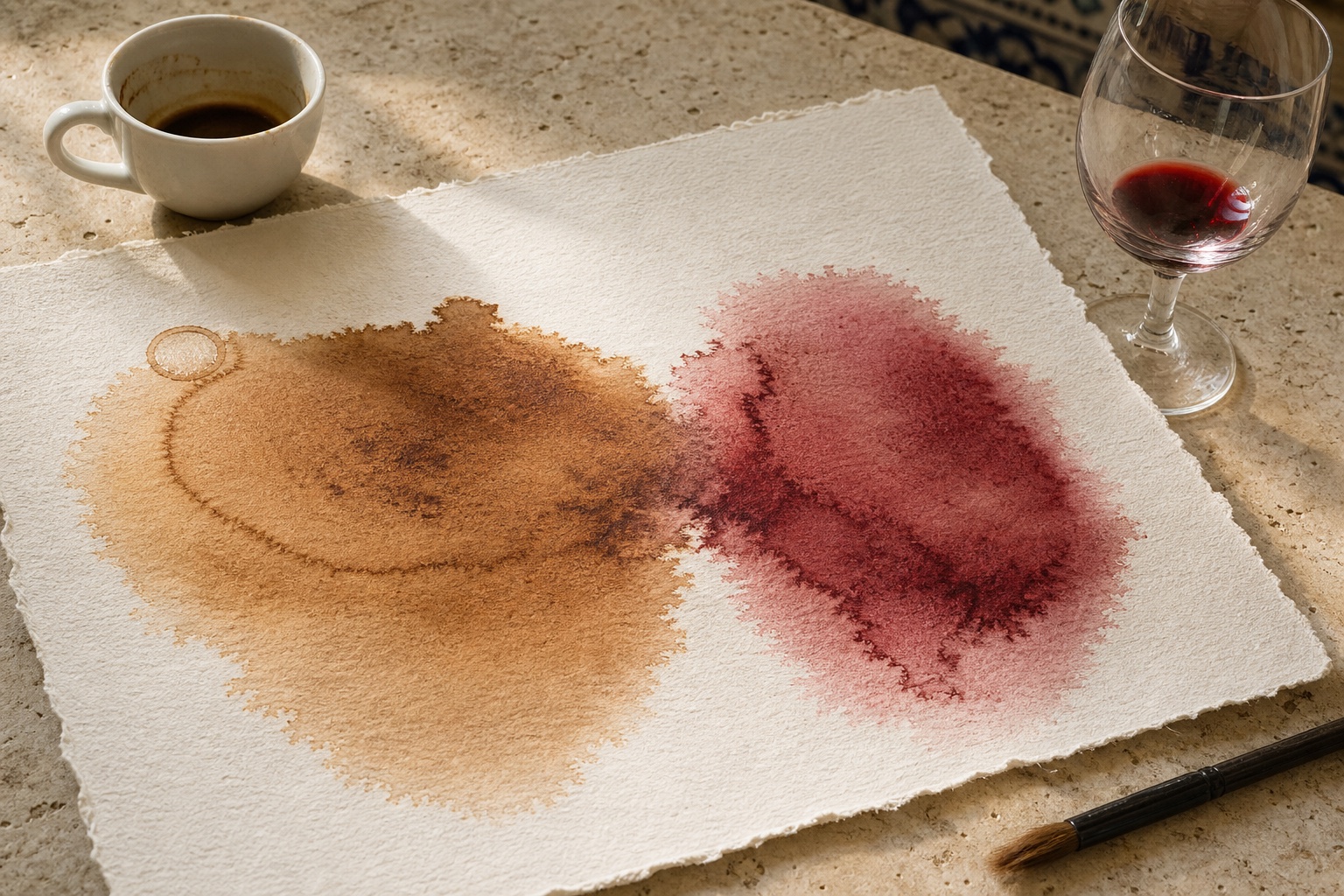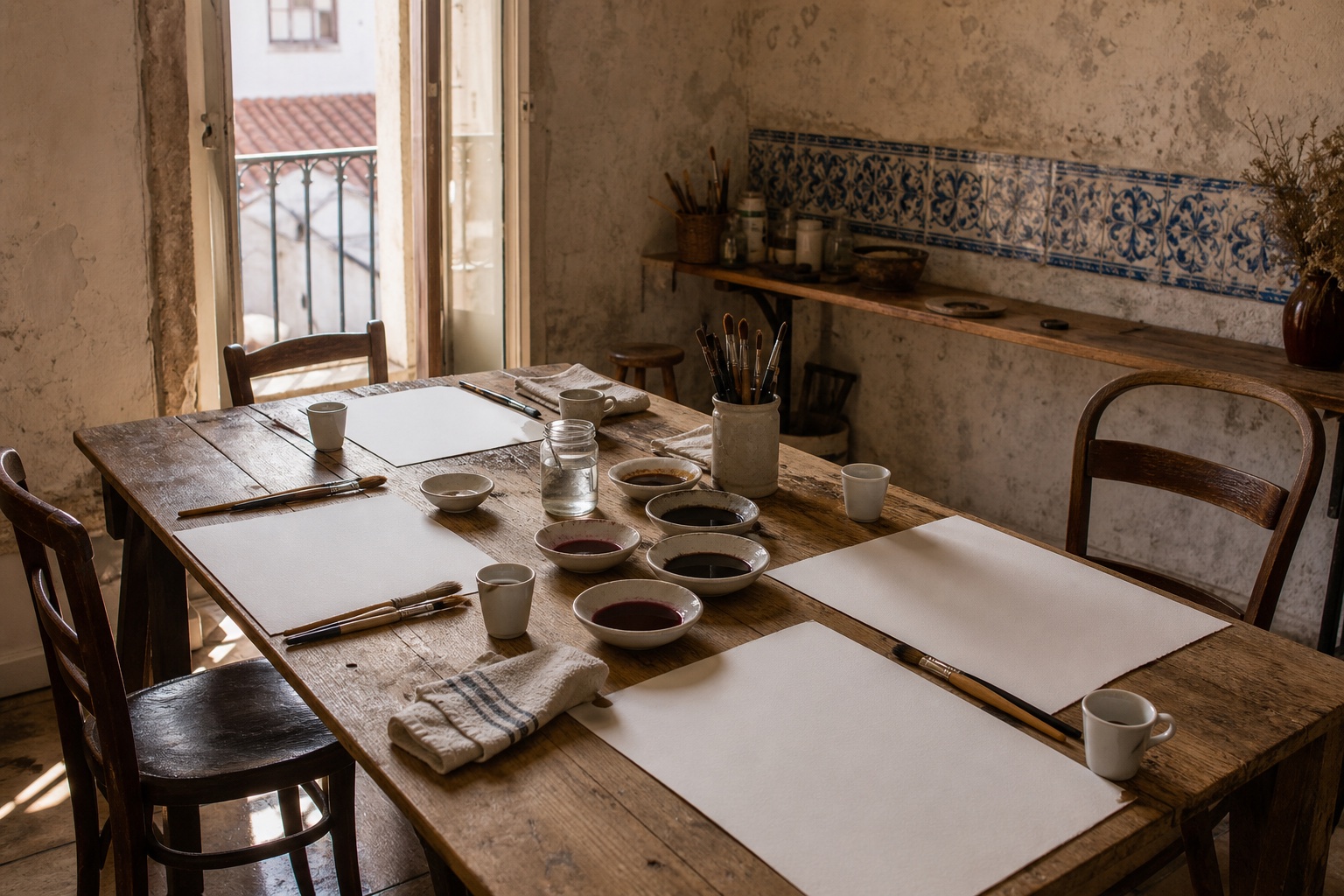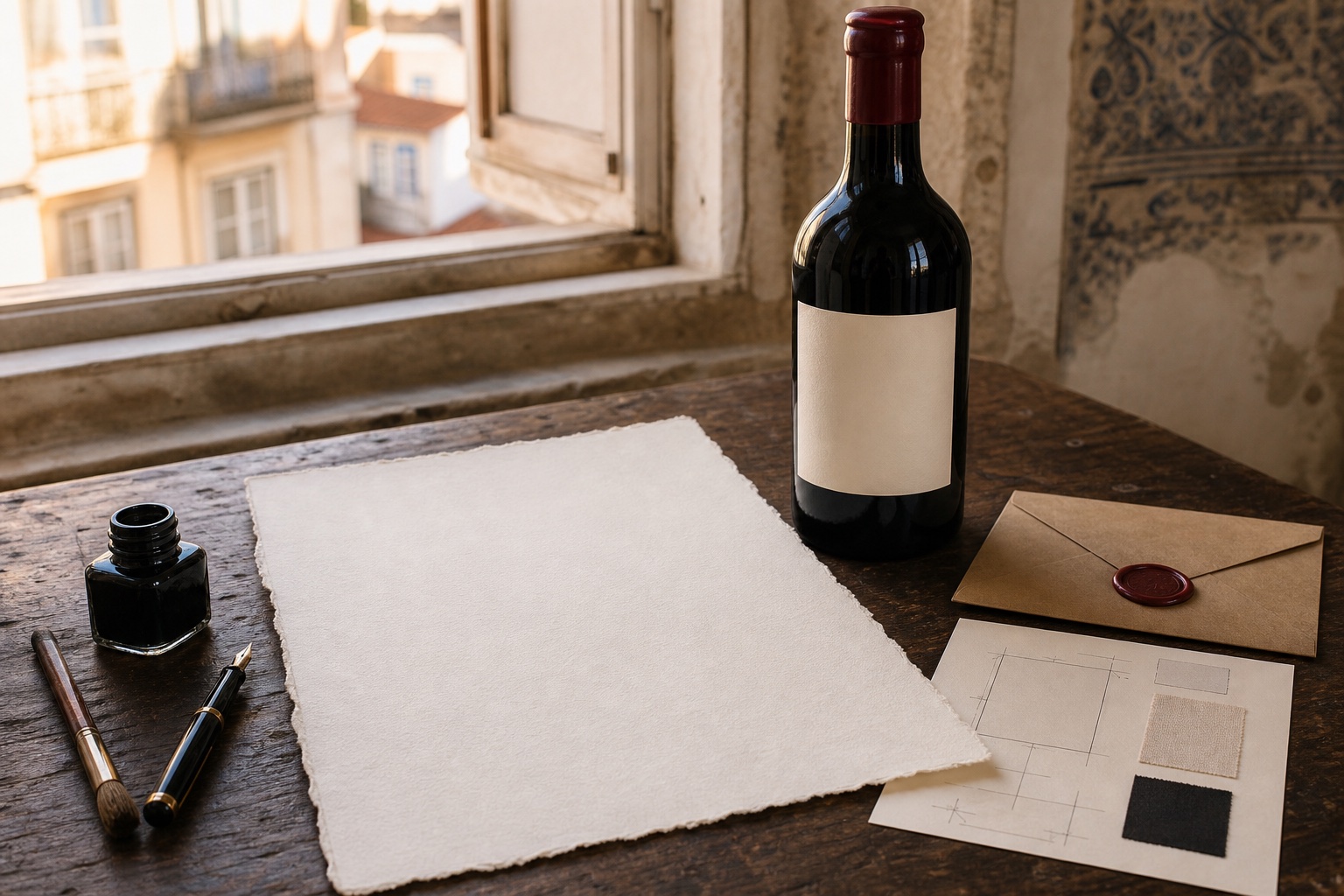
A wine-bottle commission works when the bottle is part of the meaning, not a novelty added after the image is chosen. It might mark a wedding, a birth year, a family table, a vineyard or a place you returned to. Rouslam Botiev’s collector page invites private enquiries for work painted with a wine meaningful to the collector. The enquiry is the beginning of scoping, not a promise that every bottle, subject, deadline or delivery route is possible.
Send a brief that gives the artist something useful to answer
A good first message can fit on one screen. State who the work is for, why this particular wine matters, the subject you imagine, an approximate size or wall measurement, the delivery country and any genuine date constraint. Include one preferred contact method. That is enough for the atelier to decide what needs discussion without forcing you to design the painting yourself.
For the subject, describe the memory before prescribing the composition. “We drank this bottle after our civil ceremony and walked home past the Sé” gives richer material than “put the bottle in the bottom-left corner.” If a person, animal, building or landscape must be recognisable, say so and offer clear reference images that you own or have permission to use. Identify which details are essential and which can remain in the artist’s interpretation.
- Purpose: private collection, gift, hospitality space, label proposal or another use.
- Story: what the wine records and why it belongs in the work.
- Subject: portrait, place, figure, rider, still life, abstract memory or an open question.
- Scale: wall limits, preferred orientation and whether the work will travel.
- References: a small, relevant selection with permissions understood.
- Constraints: delivery destination, a real deadline if one exists and any accessibility or handover needs.
Treat the bottle as a material with provenance and logistics
Identify the bottle precisely: producer, wine, vintage and why that bottle matters. Photograph the front and back labels and note whether the bottle is sealed, already opened or irreplaceable. Then stop. Do not mail, courier or carry it to the atelier until Rouslam confirms that the proposed material is suitable and explains what quantity and handover method are needed.
Alcohol shipping and import rules vary by carrier, origin and destination. A sentimental bottle can also be damaged, delayed or consumed by testing if expectations are not clear. The safest process may involve an in-person handover, a separately agreed sample or another solution chosen by the atelier. That is a practical decision, not a romantic detail, and it belongs in the written scope before anything moves.
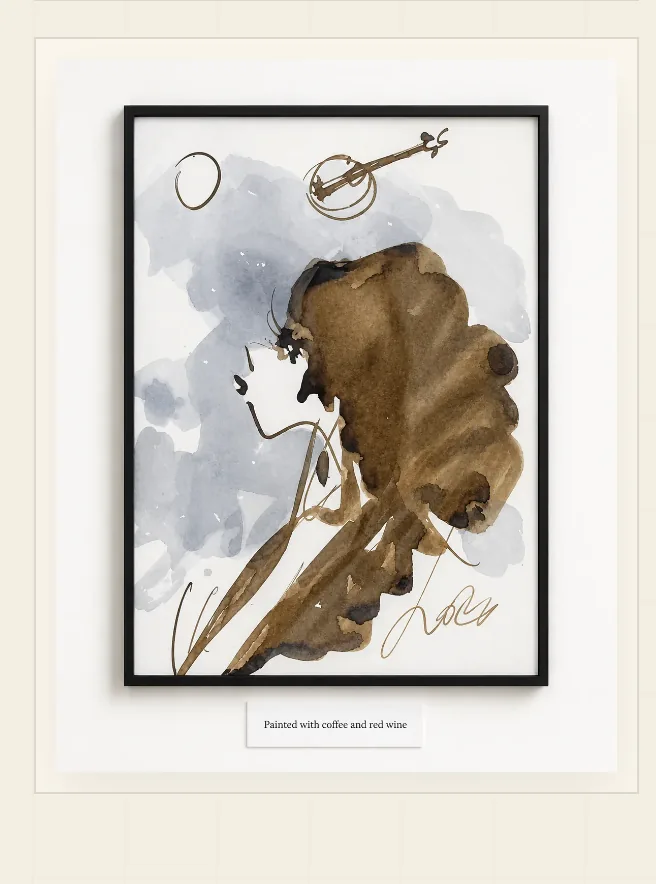
Wine colour also changes as it dries and ages. A fresh violet mark is not a guaranteed final purple. Ask how the selected wine is expected to behave, which other media may provide structure, what paper and surface treatment are proposed, and what the finished documentation will record. The collector should understand the evolving material character and agree to suitable display care rather than receive an impossible permanence claim.
Agree the scope before the first irreversible mark
The atelier should be able to turn the initial story into a concrete proposal. Confirm the proposed dimensions, orientation, main media, broad subject, what is included, price and payment stages, whether framing is included, delivery or collection method, estimated timing and what happens if either side needs to pause. Because this site publishes no universal commission price or duration, those details must come directly from the current proposal.
Also agree how artistic approval works. Some collectors want to approve a compositional sketch; others deliberately give the artist wider freedom. Decide whether there is a single concept approval, whether progress images will be shared and what changes are possible before and after painting begins. Coffee, wine and ink on paper do not behave like editable design layers. Unlimited revisions are not a sensible assumption once marks are made.
If the commission has a commercial use — packaging, a restaurant identity, reproduction, editorial use or a label — physical ownership of the artwork and permission to reproduce it are separate questions. State the intended uses, territories and formats so rights can be agreed in writing. A private gift normally needs a much simpler conversation, but even then ask whether either party may photograph and share the finished work before the recipient sees it.
| Decision | Confirm in writing |
|---|---|
| Object | Dimensions, orientation, subject, media and whether framing is included. |
| Money | Quoted price, currency, payment stages and any delivery costs. |
| Timing | Estimated milestones, necessary approvals and target handover without treating an estimate as a guarantee. |
| Changes | Where feedback is invited and what becomes fixed after approval. |
| Rights | Ownership of the physical work, reproduction permission and publicity expectations. |
Plan the handover and the record with the artwork
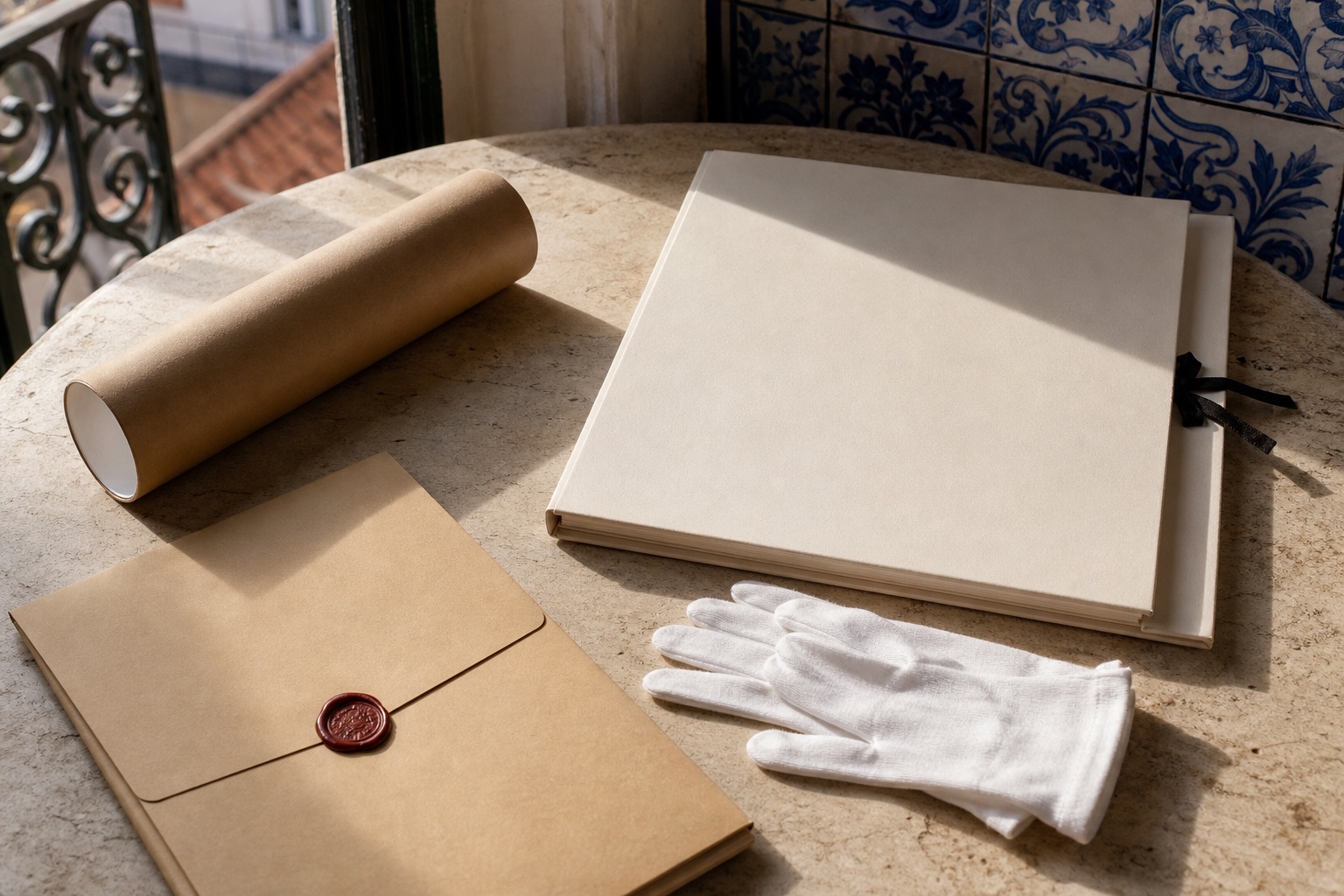
Before dispatch or collection, request a current image and the final object details: title or commission reference, date, dimensions, medium, signature location and any recorded information about the wine and paper. The collector page describes signed work with a materials-focused certificate; confirm what documentation applies to your specific commission rather than assuming every field in a general description.
For delivery, confirm whether the work travels flat, rolled, framed or unframed; who arranges packing; whether tracking and insurance are included; and who handles destination taxes or customs requests. Inspect the package on arrival, photograph damage before opening if present and compare the object with the pre-dispatch image. Keep the invoice, correspondence and certificate together but physically separate from the artwork.
Finally, frame and display the piece as a light-sensitive work on paper. Avoid direct sun and damp or hot positions; use a qualified framer and tell them the full medium. Organic colour may evolve, and even UV-filtering glazing does not remove all light risk. The story of the bottle gains value when its provenance and care remain legible years later.
A bottle with a story
Tell the atelier what the wine remembers
Send the subject, approximate scale, destination and bottle details. The atelier will confirm feasibility, scope and next steps directly.
Enquire about a commission →Frequently asked questions
Can Rouslam paint with my own bottle of wine?
The collector page invites enquiries about meaningful wines, but suitability and handover must be confirmed for the specific bottle. Send label photographs and the story first; do not ship or deliver the bottle unasked.
How much does a wine painting commission cost?
There is no universal commission price published in this article. Price depends on the agreed scope, scale, materials, delivery and any commercial rights. Request a written proposal from the atelier.
How long will the commission take?
No standard duration should be inferred. Ask the atelier to confirm a current estimate and approval milestones for the proposed work before relying on a date.
Can the finished image be used on a wine label or packaging?
Possibly, but buying the physical artwork does not automatically grant reproduction rights. Describe every intended commercial use in the enquiry and agree permission, formats and terms in writing.
Sources and verification
Sources support external facts; atelier details should be confirmed on the live pages linked in this guide.