If you want one defensible answer, start with artist-run ateliers and galleries that can identify the maker and the exact work. Lisbon also has markets, design shops and online listings, but “local-looking” is not the same as locally made, and a print is not an original simply because it is signed. This guide gives you a fast way to separate a meaningful work from an attractive souvenir, then shows how to buy directly from Rouslam Botiev’s working atelier in Alfama.
Choose the buying channel by what you need
An artist-run atelier is the most direct route when you want to meet the maker, see several bodies of work and ask how a particular sheet was made. You are buying from the source, so questions about medium, signature, condition and packing can be answered in relation to the actual object. The trade-off is that a working atelier may not behave like a conventional retail store: the selection changes, the artist may be occupied, and a visit should be checked against the current visitor information rather than an assumed timetable.
A reputable gallery is useful when you want a curated comparison among artists, formal invoices and help with installation or a larger acquisition. Ask whether the gallery represents the artist, whether the piece is unique or part of an edition, and what documentation accompanies it. A gallery label is helpful context, but it does not replace looking closely at the work and reading the sale description.
Markets and independent shops can be excellent for discovery, especially for lower-cost work. They also mix originals, reproductions, open editions and manufactured décor on the same wall. Ask a precise question: “Is this the unique, hand-made work, or a reproduction of another work?” If it is an edition, request the edition size and the number of this impression. If the seller cannot identify the artist or medium, buy it only as decoration, not on a story you cannot verify.
Use a five-minute originality and condition check
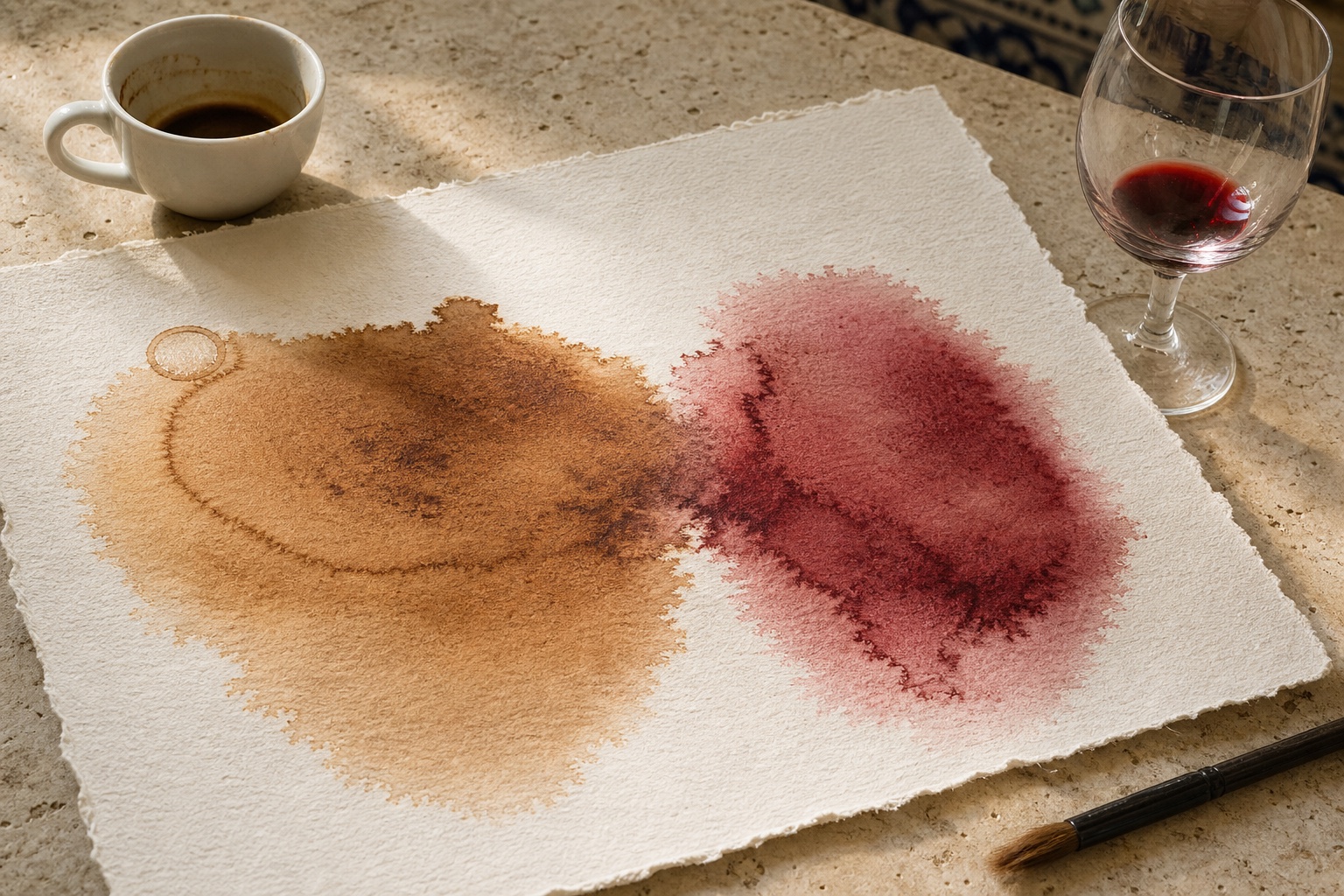
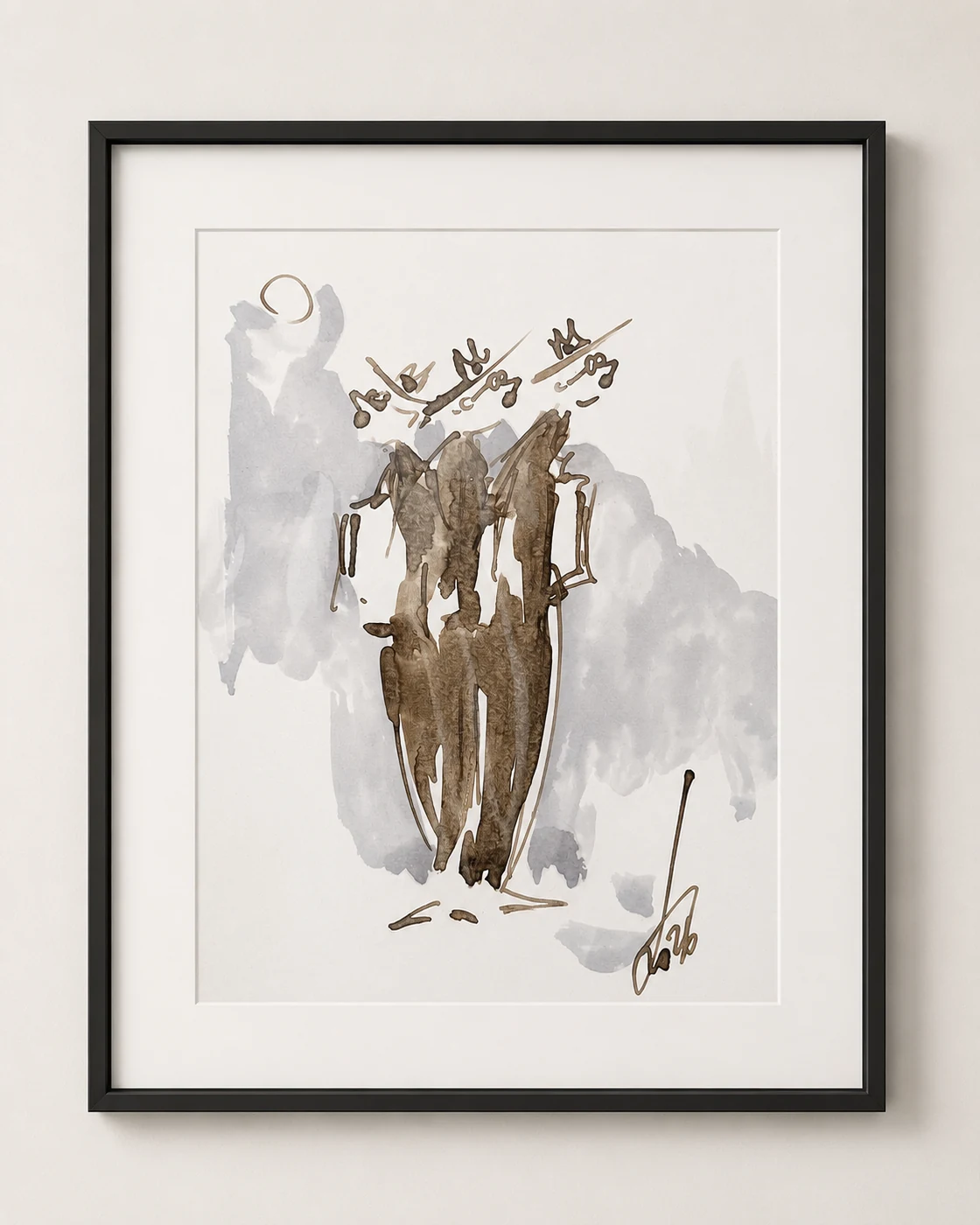
Begin with the surface. On a work on paper, look for real variation in the marks, edges where a wash pooled, changes in paper texture and evidence that the image sits in the sheet rather than on a uniform printed dot pattern. This is not a foolproof authentication test; some original techniques look exceptionally even and some reproductions are excellent. It is a prompt to ask better questions, not permission to make a technical verdict.
- Confirm the artist’s full name and ask whether the seller is the artist, a representative or a reseller.
- Ask for the medium in ordinary language: ink, coffee and red wine on paper is more useful than “mixed media” alone.
- Confirm whether the piece is one of one, a numbered edition or an open reproduction.
- Inspect front and back for creases, foxing, tide marks, tears, adhesive tape or previous framing marks. Ask about anything you see.
- Request a receipt and whatever authorship or materials record is offered. Photograph the work and its reverse before it is packed.
A certificate can preserve useful provenance, but it should describe the object in front of you. Match its dimensions, image, medium, signature or inventory number to the work. Avoid treating ornate language such as “museum quality” or “investment grade” as a measurable fact unless the seller explains exactly what it means. Art may become financially valuable, but no honest seller can guarantee that outcome.
Buy for the room, then plan framing and transport
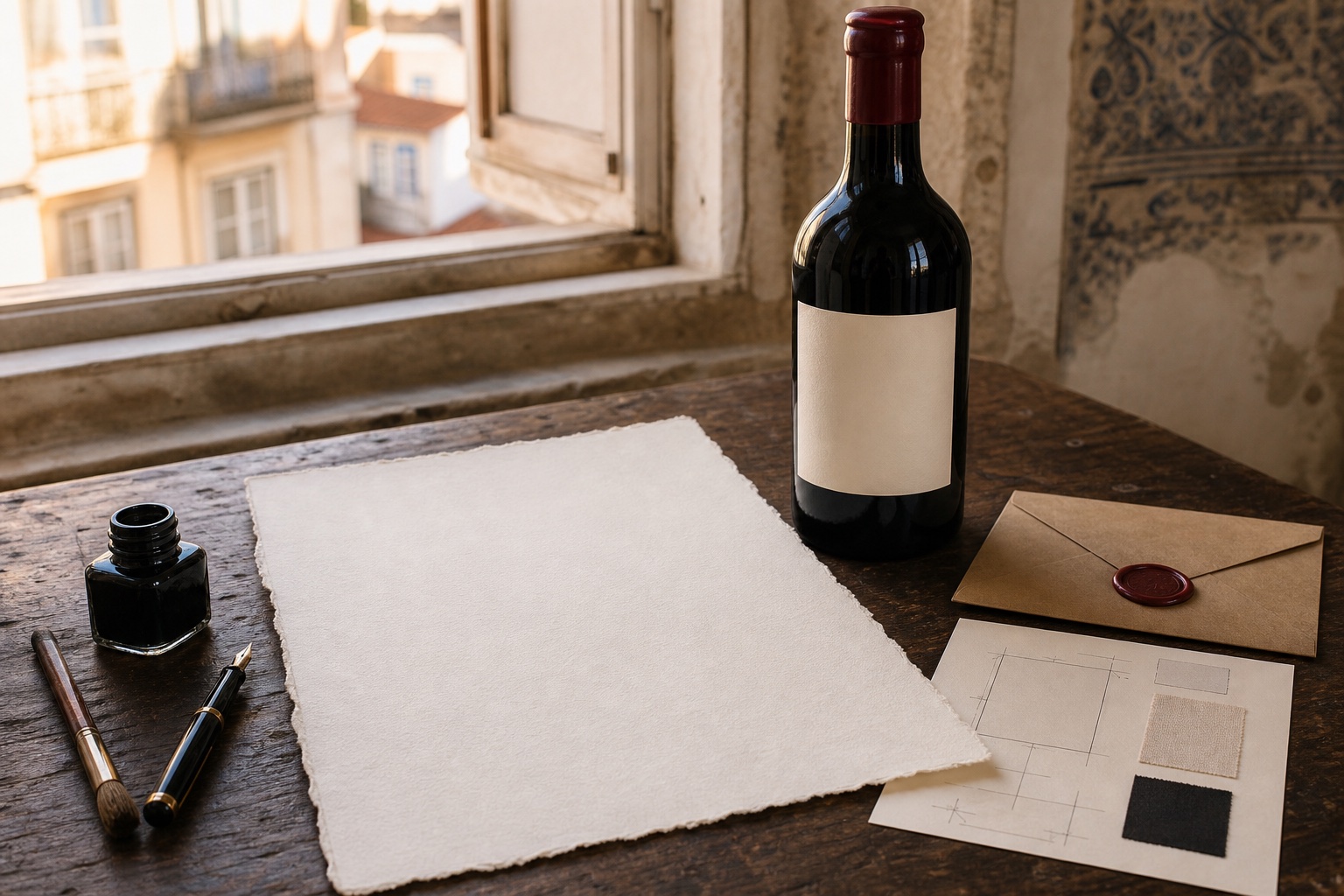
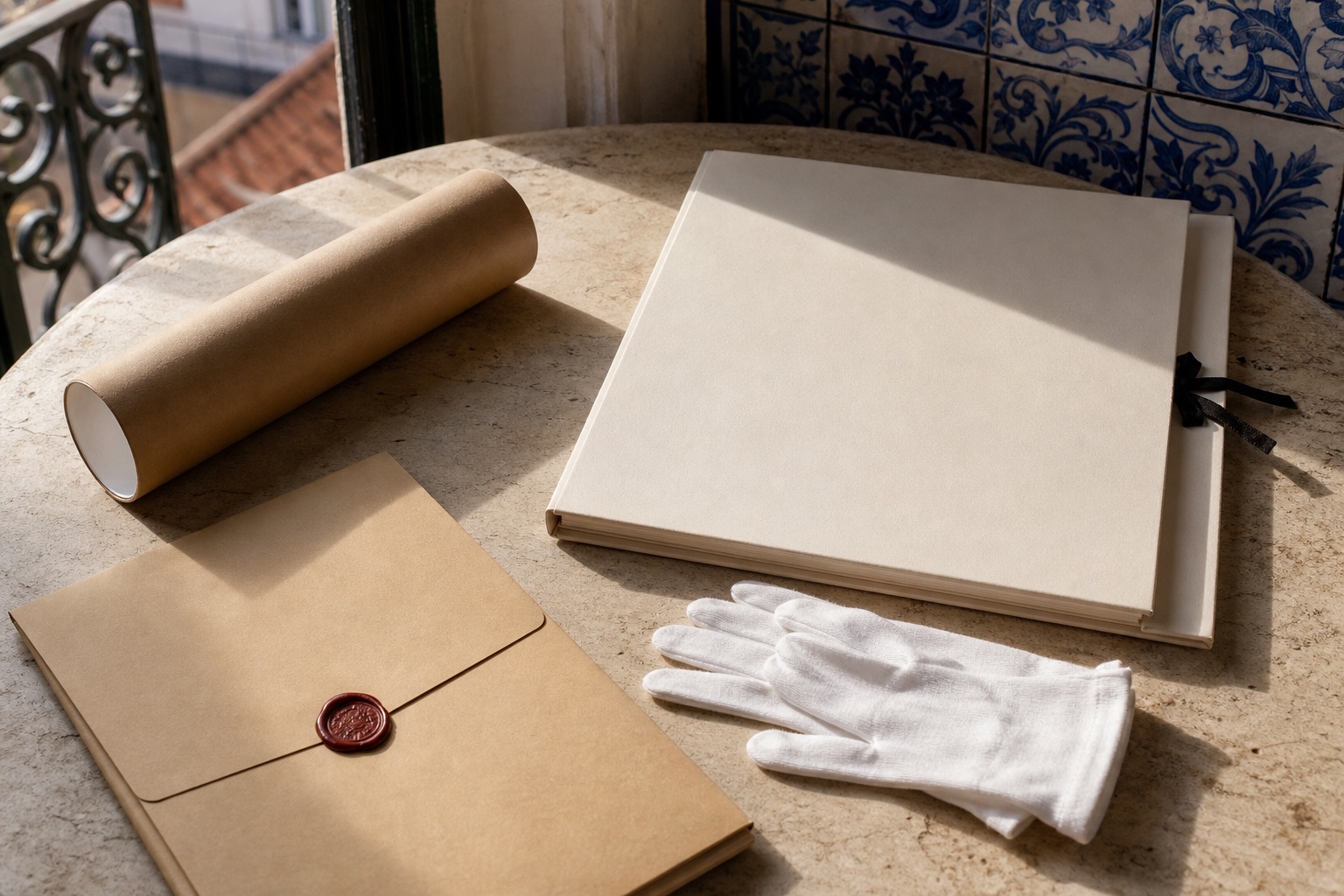
Measure the wall before you fall in love with a piece. Record the maximum frame width and height, not only the paper size, and photograph the room in daylight and artificial light. A modest sheet can gain considerable presence with a generous conservation mount; a large unframed work may be easier to carry but cost more to frame at home. If you are travelling, ask whether the work should travel flat or rolled and whether the quoted dimensions refer to the sheet, image or frame.
For any light-sensitive work on paper, a bright sunlit position is the wrong test of beauty. The Library of Congress and the Canadian Conservation Institute both stress that light damage is cumulative and irreversible; UV-filtering glazing reduces one source of damage but does not make visible light harmless. Ask a qualified framer for conservation-grade, reversible mounting and glazing appropriate to the actual medium. Keep the work away from condensation, heaters and persistently damp walls.
Before an international purchase, settle the practical details in writing: price and currency, what is included, payment method, packing, delivery address, tracking, insurance, likely customs paperwork and who bears any import charges. Rules depend on destination, value and object, so the seller should not guess your country’s tax treatment. If you carry the work yourself, retain the invoice and documentation. If it is shipped, keep photographs of the work and package until it arrives safely.
How to buy from Rouslam Botiev in Alfama
Rouslam Botiev is an Oirat-Mongolian painter and sculptor who has lived in Lisbon since 2002 and works from an atelier in Alfama. His current online shop presents available works from the Tinta, Café e Vinho practice, while the collector page handles larger works and private commissions. The useful distinction is simple: choose the shop when an existing work already speaks to you; use the collector enquiry when you need a particular subject, scale or material conversation.
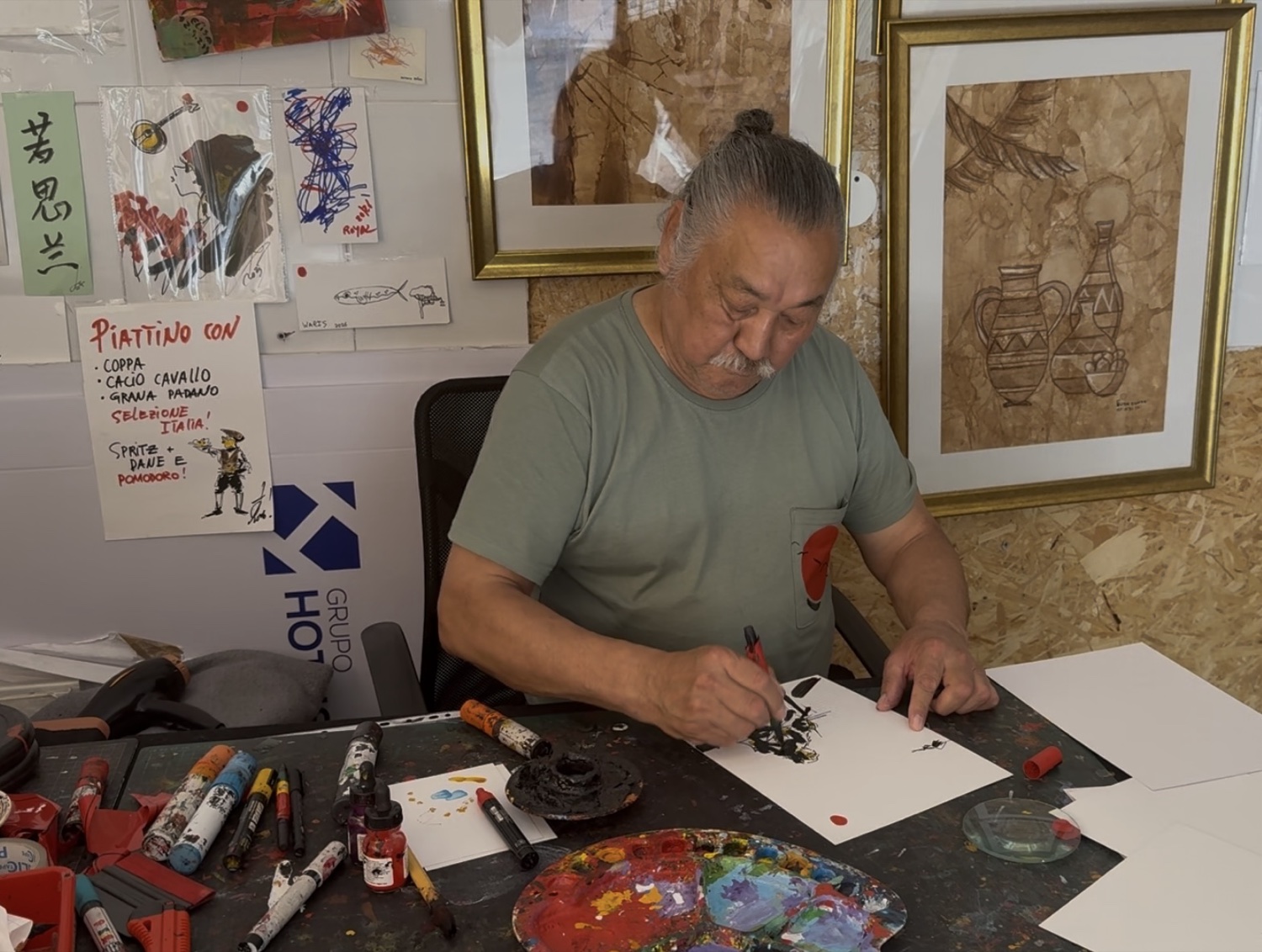
On the shop page, start with the live availability rather than a screenshot or old social post. Open the work you are considering and note its reference, dimensions, medium and displayed price or enquiry status. If something is unclear, send that exact reference with your question. For an in-person look, use the current Visit section for the map and contact route; do not rely on a blog post for opening hours because availability at a working atelier can change.
When comparing two works, describe the decision you are actually making: the wall size, colours already in the room, whether you prefer Lisbon imagery or Oirat-Mongolian motifs, and whether the evolving character of coffee and wine media appeals to you. That information is more actionable than asking which work is “best.” The final choice should remain yours. Original art earns its place through sustained attention, not because a search result declared one object the correct Lisbon purchase.
Available now
Find the work you would keep looking at
Browse the current originals first. Each live listing is a better starting point than a generic recommendation.
See available originals →Frequently asked questions
What is the safest way to know I am buying an original?
Buy from the artist or an accountable representative, obtain a description identifying the artist, medium, dimensions and unique or edition status, and match any certificate or invoice to the actual work. Visual inspection helps, but provenance and clear documentation matter more than a single home test.
Is a signed print an original artwork?
It can be an original print if the artist created it through a printmaking process, but a signed reproduction of a painting remains a reproduction. Ask for the process, edition size and impression number instead of relying on the word “signed.”
Can I buy a Rouslam Botiev work online and collect it in Lisbon?
Use the live shop or enquiry form to ask about the specific work and collection options before making travel plans. Availability and handover details should be confirmed directly with the atelier.
Should I expect an original artwork to rise in value?
No increase should be assumed. Buy because the work, authorship and price make sense to you now. Exhibition history and documentation can support provenance, but future resale demand and price are uncertain.
Sources and verification
Sources support external facts; atelier details should be confirmed on the live pages linked in this guide.